Iran, Russia, and China Launch Joint Naval Drills in Northern Indian Ocean
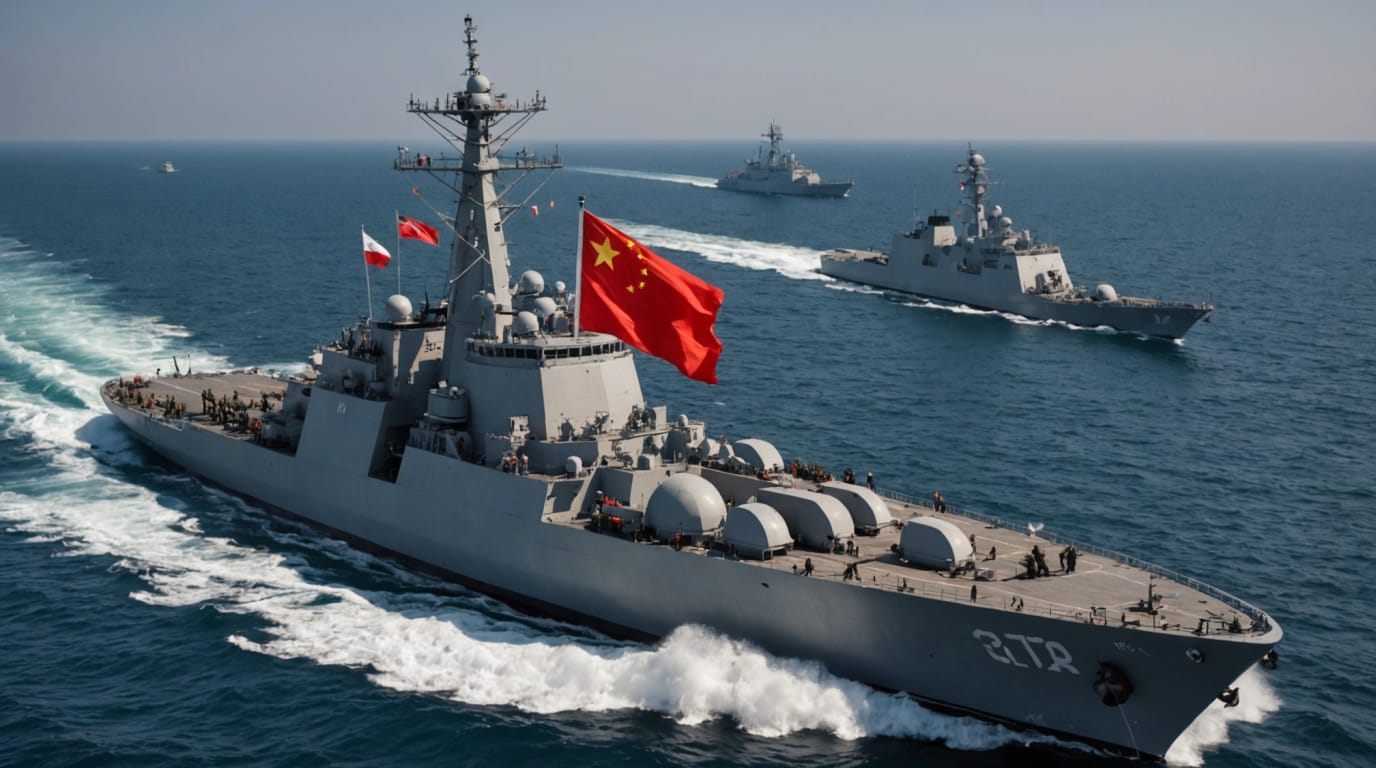
The navies of Iran, Russia, and China have commenced their annual joint naval exercises in the northern Indian Ocean, marking the fifth such collaboration since 2019. These drills, dubbed "Security Belt-2025," are taking place near Iran's Chabahar Port, located on the Gulf of Oman, and are designed to bolster cooperation and security among the participating nations. The exercises, which began Tuesday, involve warships and support vessels from all three countries and aim to enhance regional security and expand multilateral cooperation.
Objectives and Scope of the Exercises
The "Security Belt-2025" exercises encompass a range of training scenarios, including maritime target strikes, visit, board, search, and seizure (VBSS) operations, damage control, and joint search and rescue missions. These drills are intended to deepen military mutual trust and pragmatic cooperation among the participating countries' armed forces. The exercises also seek to ensure the security of international maritime trade, combat piracy and terrorism, exchange information on maritime rescue and relief operations, and share operational and tactical experiences. China's Defense Ministry stated the exercises aim to deepen "the mutual trust and pragmatic cooperation between the participating countries' armies."
Participants and Observers
In addition to the host nation Iran, Russia, and China, several other countries are attending as observers, including Azerbaijan, South Africa, Oman, Kazakhstan, Pakistan, Qatar, Iraq, the United Arab Emirates, and Sri Lanka. China has deployed the Type 052D guided-missile destroyer Baotou and a supply ship, Gaoyouhu, from its 47th naval escort task force. This task force has been patrolling the Gulf of Aden since December. While China has confirmed its participants, Russia and Iran have yet to disclose which specific fleets they will involve in this year's exercises.
Geopolitical Implications
These joint naval drills occur against a backdrop of increasing cooperation between Iran, Russia, and China, particularly as they seek to counter what they perceive as U.S. hegemony. All three nations have expressed a desire to strengthen their ties in various sectors, including military and trade. China played a key role in rekindling diplomatic ties between Iran and Saudi Arabia in 2023.
The location of the exercises in the Gulf of Oman and the northern Indian Ocean is strategically significant, providing the participating countries with an opportunity to expand their influence in the Middle East. These exercises also come amid rising tensions between Iran and the United States, particularly after calls for a deal to prevent Iran from acquiring nuclear weapons.
Historical Context and Previous Exercises
The "Security Belt" exercises have been conducted annually since 2019, with each iteration focusing on different aspects of maritime security and cooperation. Last year's exercise, held in March, emphasized anti-piracy and search and rescue drills, including the armed rescue of hijacked merchant vessels and firing on targets at sea. In that exercise, China's 45th naval escort task force participated alongside Russia's Pacific fleet and more than 10 Iranian vessels.
Broader Strategic Alignment
The joint naval exercises are indicative of a broader strategic alignment between China, Russia, and Iran. Both China and Iran have maintained support for Russia during its invasion of Ukraine, helping to sustain its war effort despite Western sanctions. Beijing has become a key ally of Moscow, deepening economic ties and becoming Russia's leading source of dual-use goods, which are components used for manufacturing weapons. Russia has also strengthened its ties with Iran, particularly in military cooperation, with Iran providing Russia with thousands of Shahed attack drones used in attacks against Ukrainian cities.
Concerns and Criticisms
The increasing cooperation between these nations has raised concerns among some Western countries, particularly regarding the potential implications for regional and global security. Critics argue that these exercises could be interpreted as a challenge to the existing international order and a demonstration of the growing military capabilities of these nations. Some reports suggest the cooperation between these authoritarian regimes appears to continue to deepen as the West is growing more divided.
Conclusion
The "Security Belt-2025" joint naval exercises represent a continued effort by Iran, Russia, and China to strengthen their military cooperation, enhance regional security, and counter what they see as U.S. dominance. These exercises, involving a range of maritime training scenarios and the participation of multiple observer nations, underscore the strategic importance of the Indian Ocean and the evolving geopolitical landscape in the Middle East. As the exercises progress, they will be closely watched by regional and international actors, with potential implications for maritime security, trade, and the balance of power in the region.


