Iran War Threatens Billions in South Asian Remittances, Sparks Regional Economic Crisis
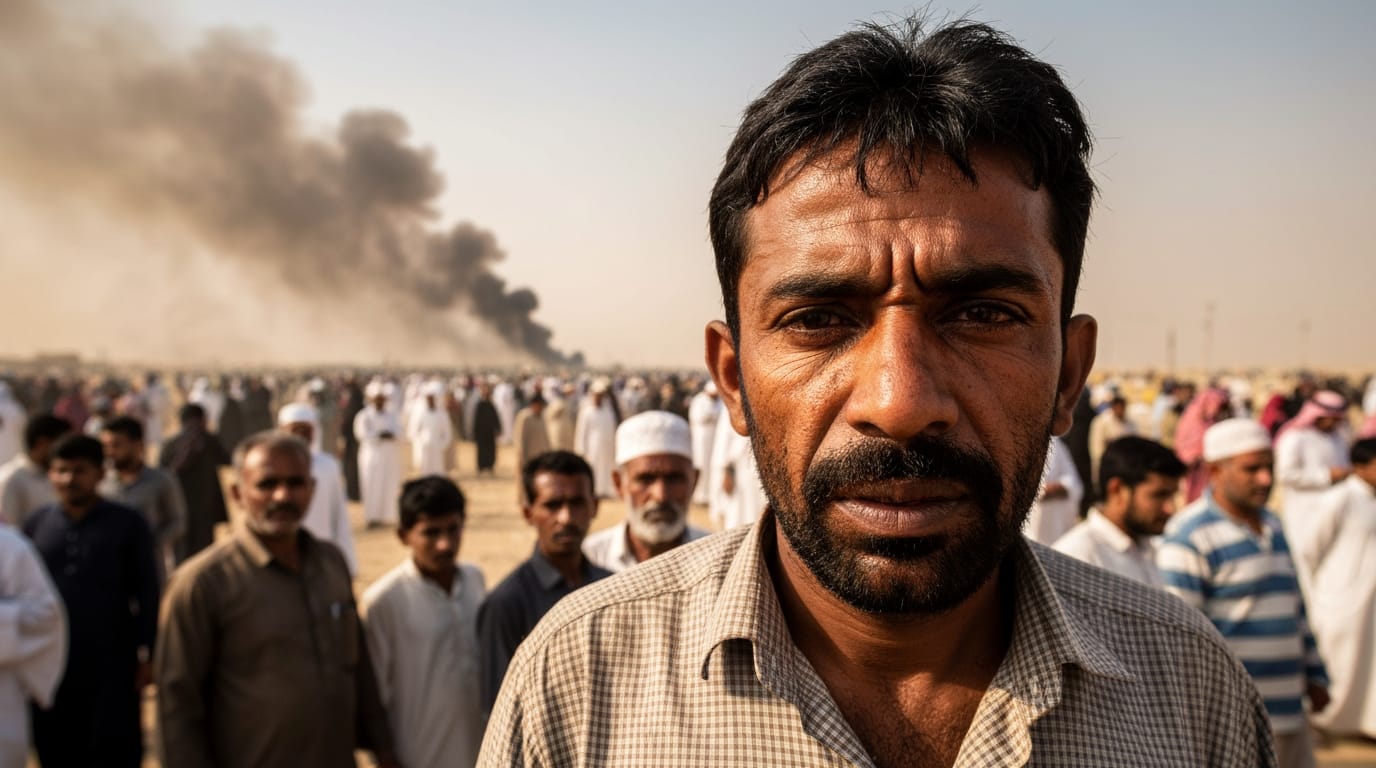
The escalating conflict in the Middle East, characterized by an ongoing "Iran war" involving the United States and Israel, has triggered profound economic instability across the Gulf, placing billions of dollars in critical remittances to South Asian nations at severe risk. As the Strait of Hormuz remains largely closed to commercial shipping and energy infrastructure suffers extensive damage, the livelihoods of millions of South Asian migrant workers hang in the balance, threatening to unravel years of economic gains in their home countries. The immediate and cascading effects of the conflict are already visible, from surging oil prices and disrupted global trade routes to widespread job insecurity for expatriates in Gulf Cooperation Council (GCC) states.
Gulf Economies Under Siege: A Domino Effect
The conflict, which intensified in late February 2026 following joint military strikes on Iran by the U.S. and Israel, has profoundly impacted the economic stability of the Gulf region. A central casualty has been the Strait of Hormuz, a vital maritime choke point that handles approximately 20% of the world's daily oil supply and significant volumes of liquefied natural gas (LNG). Iranian warnings and attacks on tankers have effectively halted commercial shipping through the strait, leading to massive supply disruptions and soaring global energy prices. Brent crude prices surged past $100 per barrel in early March and analysts warn a sustained closure could push them towards $200, potentially triggering a global recession.
Beyond shipping, the war has caused extensive damage to critical energy infrastructure across the Gulf, including oil fields, refineries, and gas plants. Qatar's Ras Laffan LNG complex, the world's largest export plant, suffered damage, reducing its capacity by an estimated 17% for up to five years. This infrastructure damage has led to massive revenue losses for Gulf economies, already strained before the conflict, and raised concerns about their long-term economic resilience amidst prolonged regional instability. The tourism and aviation sectors, once pillars of diversification strategies, have collapsed, with hotel bookings plummeting and major airlines experiencing significant flight cancellations and grounded fleets. Dubai, a prominent financial hub, is experiencing a slowdown, with international banks reducing operations and investment flows declining rapidly. Oxford Economics initially projected a 1.9 percentage point reduction in GDP growth rates for GCC countries this year from a previous benchmark of 4.4%.
South Asia's Lifeline: Remittances in Peril
South Asian nations are particularly vulnerable to this Gulf instability due to their heavy reliance on remittances from migrant workers in the GCC states. These financial inflows represent a crucial source of foreign exchange, supporting economic stability, reducing poverty, and financing trade deficits in countries like India, Pakistan, Bangladesh, Sri Lanka, and Nepal.
India, the world's largest recipient of remittances, received a record $135.46 billion in the fiscal year 2025, with approximately 38-40% originating from the Gulf region. While India has seen a recent shift in remittance sources towards advanced economies, the Gulf remains a significant contributor. For Nepal, an estimated half of its remittances come from the Middle East, contributing over a quarter of its Gross Domestic Product (GDP). Bangladesh recorded a substantial $32.8 billion in remittances in 2025, while Sri Lanka received over $24 billion from the Middle East in the past four years. The potential for a sharp decline in these flows poses a significant risk to the economies of these nations.
The Human Cost: Migrant Workers Caught in the Crossfire
The most immediate and harrowing impact of the Gulf crisis is on the millions of South Asian migrant workers who form the backbone of the region's labor force. These expatriates, predominantly engaged in construction, domestic work, and services, now face unprecedented job insecurity, potential layoffs, and direct threats to their safety. Reports indicate that low-skilled workers are particularly vulnerable, often being pushed into "safety blind spots" as the conflict escalates.
As economic activity in Gulf countries slows and projects are delayed or reassessed, hiring has become more selective, with fewer opportunities for many, especially in mega-construction projects. This situation accelerates a pre-existing trend of Gulf economies diversifying away from labor-intensive sectors towards knowledge-based industries, further narrowing opportunities for low-skilled laborers. The psychological toll on these workers is immense, as they grapple with uncertainty about employment, safety, and separation from families, often far from home. The "kafala" system, prevalent in some Gulf states, further restricts their movement, requiring employer permission to change jobs or leave the country, potentially trapping them in dangerous situations. Several countries, including India, Germany, and South Korea, have already warned their citizens to leave Iran, highlighting the growing apprehension for foreign nationals in the region.
Broader Economic Ripple Effects
Beyond remittances, the Middle East conflict has far-reaching economic implications for South Asia. The surge in global oil prices directly translates to higher import bills for energy-dependent South Asian economies. Pakistan, for instance, has already experienced a 20% increase in state-controlled energy prices, with further electricity shortages anticipated if the conflict persists.
Trade routes through the Middle East, crucial for connecting Asia and Europe, have been severely disrupted, affecting supply chains and export markets. India, a major exporter of basmati rice, has seen its exports to Iran and Iraq halted, jeopardizing over $2 billion in trade. The closure of the Strait of Hormuz also threatens essential imports like liquefied petroleum gas (LPG), liquefied natural gas (LNG), and fertilizers, with India alone relying on the strait for over 80% of its LPG, 55% of its LNG, and half of its oil imports prior to the conflict. These disruptions could lead to inflationary pressures, wider fiscal deficits, and increased consumer prices across South Asia.
An Uncertain Future
The convergence of disrupted global supply chains, collapsing Gulf economies, and the precarious position of South Asian migrant workers paints a bleak picture for the region's economic outlook. While countries have frameworks in place to manage overseas workers during crises, the scale and prolonged nature of the current conflict test these capacities. The potential for a mass return of workers could strain domestic labor markets and welfare systems, adding another layer of complexity to already challenged economies. The intertwined destinies of the Gulf and South Asia mean that continued instability in one region inevitably sends shockwaves through the other, demanding urgent international attention and concerted efforts to de-escalate tensions and protect vulnerable populations.


