Iran Warns of 'Full-Scale Offensive' as US Strikes Intensify
TEHRAN – In a dramatic escalation of tensions, Iran has threatened to launch "full-scale offensive operations" if the United States continues its aerial bombardments, signaling a dangerous shift away from measured retaliation. The stern warning, issued Friday by a top military advisor to Iran's Supreme Leader, comes amidst a seventh consecutive night of U.S. strikes across Iranian territory and a series of retaliatory actions by Tehran against American military installations in the region. The deepening tit-for-tat exchanges have shattered a fragile ceasefire and pushed the Middle East closer to a broader, potentially devastating conflict.
The pronouncement from Tehran marks a critical turning point in the ongoing hostilities, suggesting Iran is prepared to abandon its previous "like-for-like" responses for a more aggressive posture. Major General Mohsen Rezaei, a senior military advisor to Supreme Leader Ali Khamenei, explicitly stated that "no political border will be safe" if U.S. strikes persist for another two or three days. This rhetoric, coupled with reported civilian casualties and damage to critical infrastructure, underscores the increasing volatility of a situation that has already seen vital maritime routes disrupted and regional stability severely tested.
Escalation to the Brink
For the past seven nights, U.S. forces, under the direction of Central Command (CENTCOM), have conducted a sustained bombing campaign targeting Iranian military capabilities. These strikes have employed fighter aircraft, aerial drones, and warships to hit a range of objectives including coastal surveillance sites, air defense systems, military logistics infrastructure, underground weapons storage, and maritime assets. CENTCOM maintains that these actions are aimed at degrading Iran's military capacity and enforcing a naval blockade.
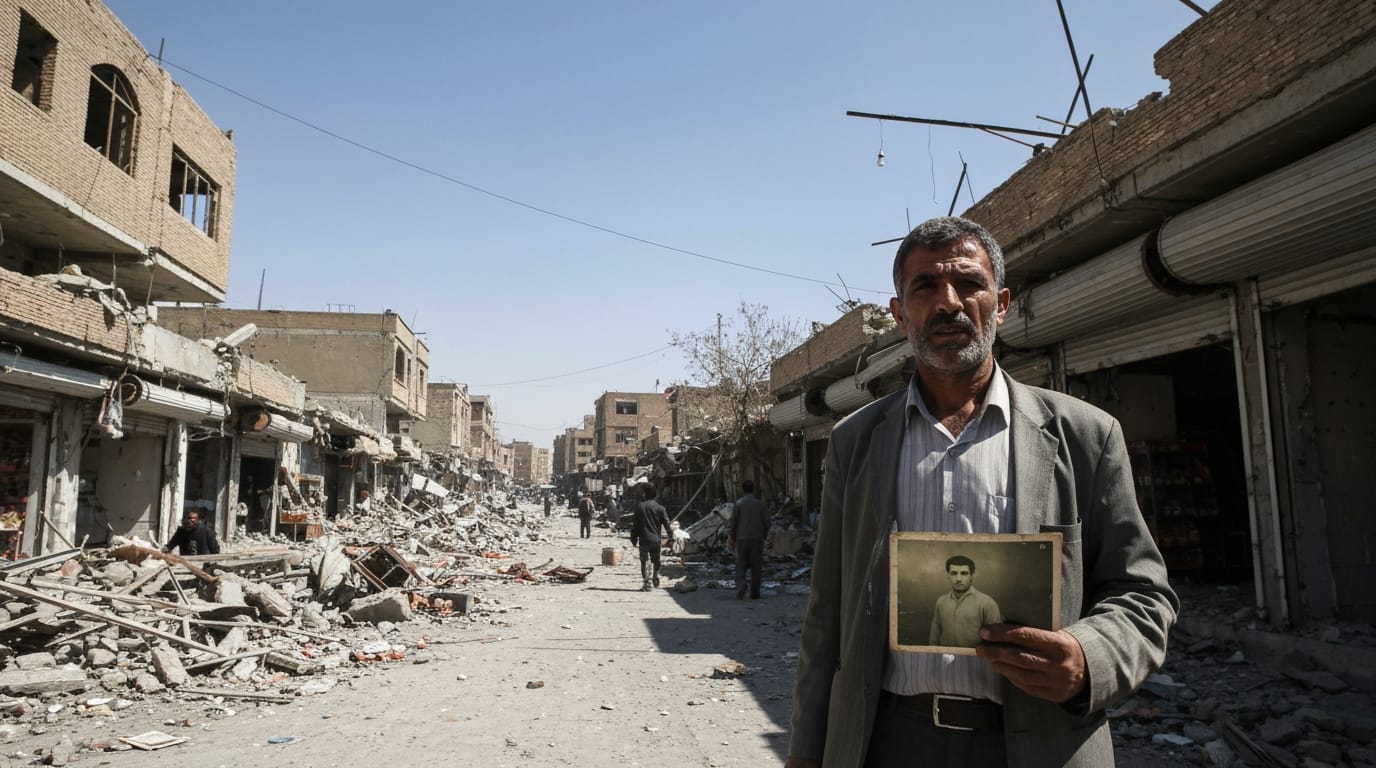
However, the impacts on the ground in Iran have reportedly extended beyond military targets. Iranian state media and officials have reported strikes hitting civilian infrastructure, including airports, multiple bridges, and a crucial port surveillance tower. These attacks have occurred in various southern cities such as Bandar Abbas, Iranshahr, and Bandar Khamir, with reports indicating at least three civilian fatalities and numerous injuries in Hormozgan province alone. The destruction of the surveillance tower at Chah Bahar Shahid Kalantari Port, reportedly used to coordinate maritime traffic and fishermen's rescue operations, has been cited by Iran as a violation of international law due to its civilian nature.
Tehran's Red Line
Major General Rezaei's declaration on Friday was unequivocal. Speaking to state television, he warned that Iran would transition into an "offensive and destructive" phase if U.S. strikes did not cease within days. He emphasized that Iran's armed forces would no longer limit their actions to reciprocal strikes, implying a broader and more unpredictable response. This warning was echoed by the Islamic Revolutionary Guard Corps (IRGC), which declared that U.S. naval forces were nearing a "zero hour" for Iranian military operations as Washington continued targeting civilian infrastructure. The IRGC Navy asserted continuous surveillance over U.S. naval movements, stating that American forces are "getting closer at every moment to the zero hour for the start of our operations against the naval units of US Central Command." Brigadier General Majid Mousavi, IRGC Aerospace Force commander, further stated that "effective and targeted bombing of the enemy will continue from all parts of the country until calm returns to the southern coast and the Strait of Hormuz."
Regional Ripple Effects
The U.S. offensive has already triggered significant retaliatory measures from Iran, expanding the conflict's geographical scope. Tehran has claimed responsibility for strikes targeting U.S. military facilities across the Middle East, including installations in Qatar, Jordan, and Syria. Reports also indicate Iranian attacks on U.S. assets in Kuwait and Oman. Notably, Iranian attacks on at least two Jordanian bases this week have resulted in injuries to several American service members.
The Strait of Hormuz, a critical chokepoint for global oil shipments, remains a focal point of the escalating crisis. Transit through the strait has been significantly impacted, with reports of a naval blockade and merchant vessels unwilling to navigate the perilous waters. This disruption has already led to a surge in global oil prices and heightened concerns about energy security. Beyond the Strait of Hormuz, there are concerns that Iran could leverage its allies, such as Yemen's Houthis, to disrupt other vital waterways like the Bab al-Mandeb Strait, further impacting international shipping and trade.
A Precarious Ceasefire's Demise
The current wave of hostilities follows the collapse of an interim ceasefire agreement between the U.S. and Iran, which had been in place for several weeks. The breakdown of this agreement has plunged the region back into a state of high alert, reminiscent of previous periods of intense confrontation. The cycle of strikes and counter-strikes illustrates the profound difficulty in de-escalating a conflict fueled by deep-seated mistrust and competing strategic interests. President Donald Trump has previously stated his administration wants to avoid war but has also warned that U.S. strikes would intensify unless Iran engaged in serious negotiations. However, with Iran explicitly stating the "policy of 'both war and negotiation' has ended," the diplomatic off-ramps appear increasingly limited.
The threats and actions from both sides indicate a region teetering on the precipice of a much larger conflagration. With Iran moving beyond "like-for-like" responses and the U.S. continuing its military pressure, the coming days will be critical in determining whether diplomacy can avert a full-blown regional war or if the conflict will spiral further out of control, with unforeseeable consequences for global stability.


