Iranian Lawyer Nasrin Sotoudeh Awarded Václav Havel Human Rights Prize
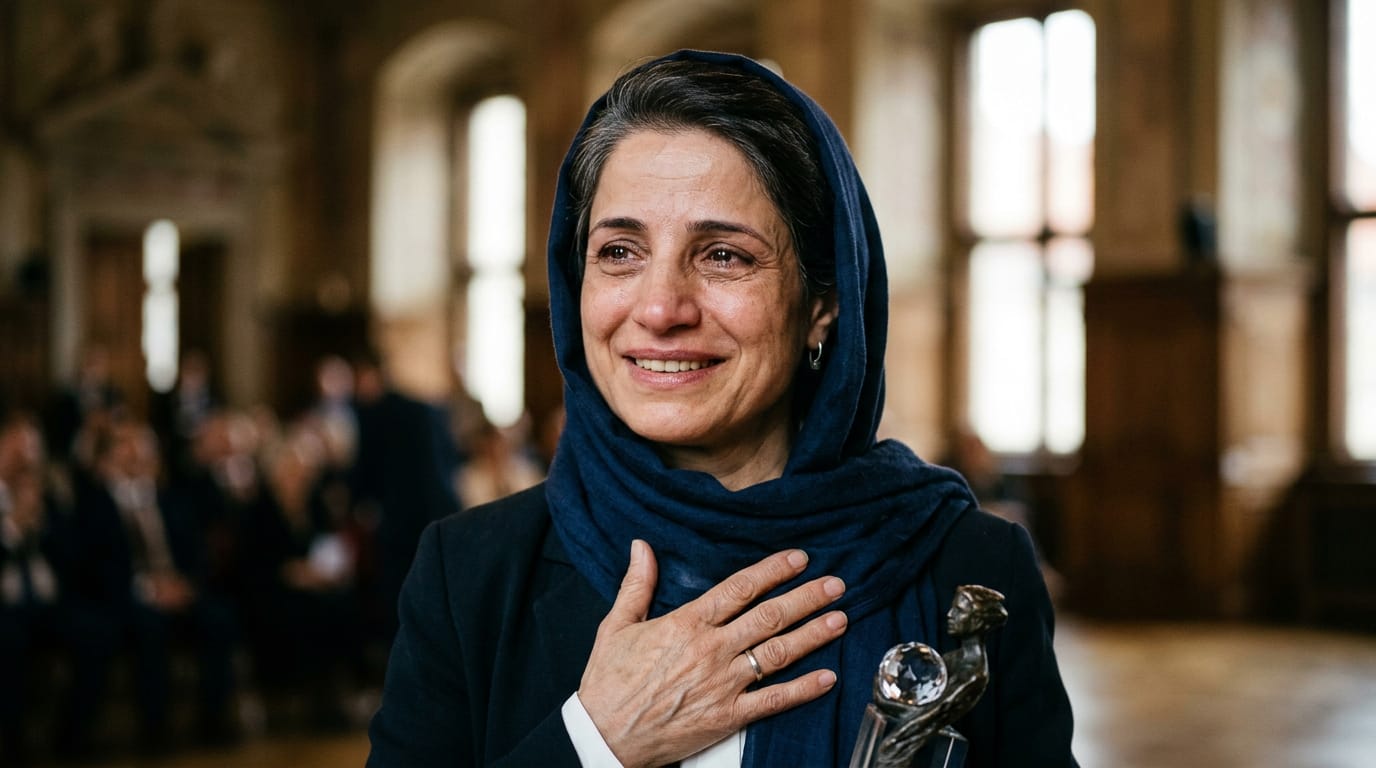
STRASBOURG, France — Prominent Iranian attorney and activist Nasrin Sotoudeh was named the recipient of the 2026 Václav Havel Human Rights Prize on Monday, honoring her decades of legal defense on behalf of political dissidents, religious minorities, and women challenging mandatory dress codes in the Islamic Republic.
The Parliamentary Assembly of the Council of Europe announced the honor during the opening session of its autumn plenary in Strasbourg. Bestowed annually in partnership with the Václav Havel Library and the Charta 77 Foundation, the distinction recognizes exceptional civil society efforts in defense of basic liberties. The award carries a cash endowment of 60,000 euros, along with an official diploma and trophy. Sotoudeh became the first Iranian woman selected for the award since its establishment in 2013.
Unable to leave Iran due to official travel restrictions and pending legal proceedings, Sotoudeh was represented in Strasbourg by her daughter, Mehraveh Khandan Heris, who accepted the prize on her behalf. The assembly also presented recorded remarks transmitted from Tehran, in which the 63-year-old attorney expressed gratitude to international advocates while renewing calls for institutional justice and democratic protections in her home country.
Recognition Amid Severe State Scrutiny
The selection committee highlighted Sotoudeh’s steadfast legal representation of vulnerable defendants despite recurrent detention, physical harassment, and long terms of confinement. Over a career spanning more than two decades, she has acted as counsel for political prisoners, independent journalists, juvenile offenders facing capital punishment, and participants in mass demonstrations against the Iranian government.
Sotoudeh has repeatedly faced prosecution for her professional activities. In 2019, an Iranian revolutionary court handed down sentences totaling several decades of imprisonment and 148 lashes on multiple state security charges, drawing widespread condemnation from the United Nations and bar associations worldwide.
Her legal jeopardy remains an urgent concern for advocacy groups. Following a temporary reprieve, authorities detained Sotoudeh again in April 2026 before releasing her on bail the following month. Her domestic situation reflects widespread state pressures targeting Iranian defense counsel, many of whom face bar revocations, surveillance, or preventative custody when taking sensitive constitutional cases.
Finalists and European Platform
The competition for the fourteenth edition of the Havel Prize featured two other prominent rights figures. The finalists shortlisted by the independent panel were Masih Alinejad, an Iranian American journalist and prominent exile campaigner against forced veiling, and Márta Pardavi, a Hungarian attorney and co-chair of the Hungarian Helsinki Committee who works on refugee protections and legal transparency.
During the Strasbourg ceremony, Council of Europe officials emphasized that the three finalists personified the courage necessary to hold public authorities accountable to legal norms. The gathering included appearances from previous laureates, including Belarusian opposition figure Maria Kalesnikava, who received the honor in 2021 during her prior incarceration in Minsk.
The prize is named for the late dissident playwright Václav Havel, who led Czechoslovakia’s 1989 Velvet Revolution and served as the Czech Republic's inaugural president. Organizers noted the 2026 selection carries added institutional weight, coinciding with the 90th anniversary of Havel's birth. Past recipients include Russian dissident Vladimir Kara-Murza, Turkish philanthropist Osman Kavala, and Venezuelan political leader María Corina Machado.
A Wider Movement for Legal Reform
The award arrives against the backdrop of sustained civil unrest across Iran following years of public protests sparked by state enforcement of compulsory hijab rules and socioeconomic distress. Sotoudeh first drew international attention for representing the "Girls of Revolution Street," women arrested in 2017 and 2018 for publicly removing their head coverings in peaceful dissent.
International bodies have repeatedly recognized Sotoudeh's civil litigation work. She was a co-recipient of the European Parliament’s Sakharov Prize for Freedom of Thought in 2012 and later received the Swedish Right Livelihood Award in 2020.
The Iranian judiciary maintains that its rulings comply with domestic statutory codes and constitutional mandates regarding public order and national security. State prosecutors often characterize independent human rights networks as foreign-influenced entities attempting to undermine national stability. Conversely, international legal bodies maintain that independent advocacy is an essential safeguard for fair trials under international treaties to which Iran is a party.
Global Standing and Continuing Pressure
The 2026 Václav Havel Prize serves as a significant diplomatic statement from European capitals regarding civil liberties in Iran. Despite prolonged state surveillance, intermittent jail sentences, and the December 2024 arrest of her husband, cultural activist Reza Khandan, Sotoudeh has consistently declined voluntary exile, choosing to base her advocacy within Tehran.
By honoring Sotoudeh, the Council of Europe has placed renewed scrutiny on the legal treatment of defense lawyers operating in restrictive legal climates. While the accolade offers no formal legal protection against future state prosecution in Iran, human rights monitors emphasize that such high-level international visibility provides a degree of international oversight for prominent figures who remain at risk of re-arrest. The ceremony concluded with a unified call from European delegates urging member states to prioritize the safety and independence of legal advocates working worldwide.