Iranian Newspaper Issues Retaliation Threat Against German Chancellor Merz Amid Escalating Tensions
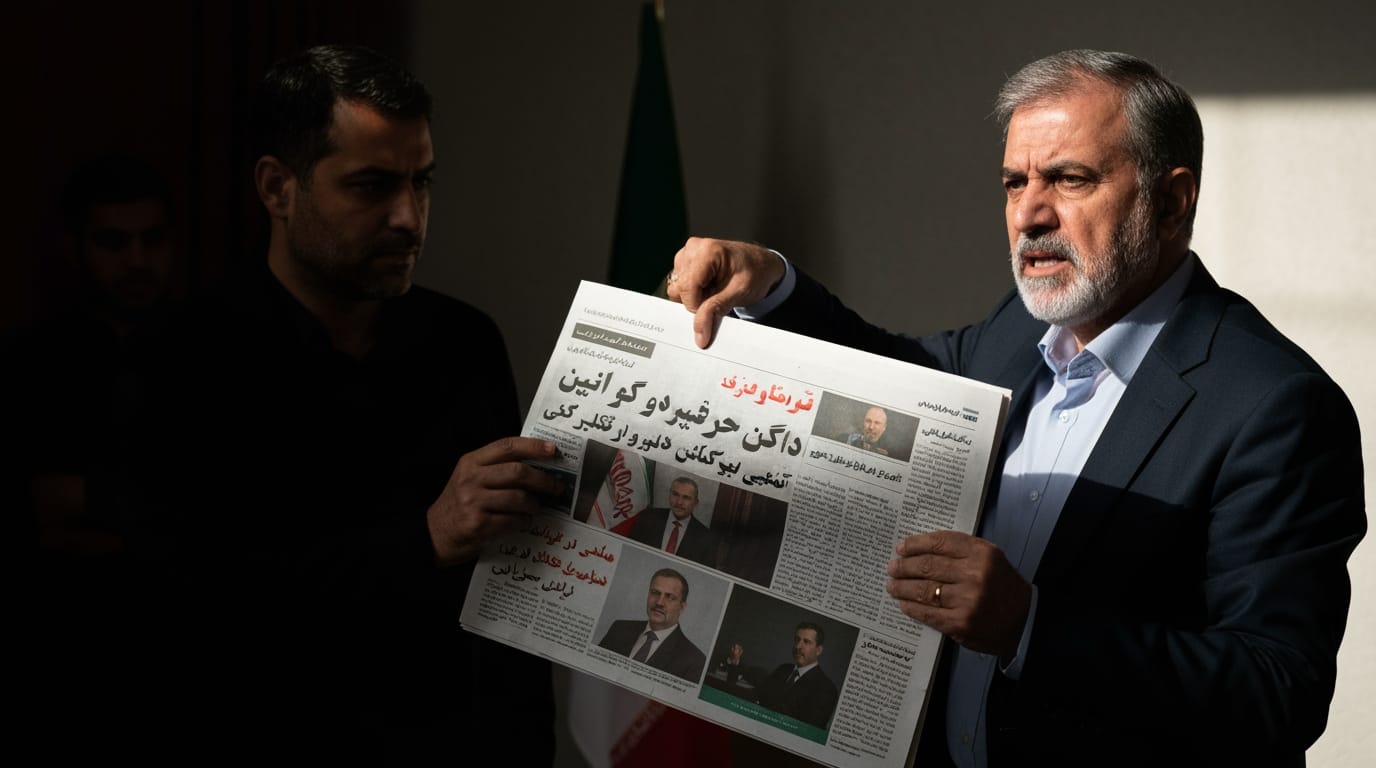
A prominent Iranian newspaper has published a graphic identifying German Chancellor Friedrich Merz and several other Western leaders as targets for retaliation, igniting alarm in Berlin and signaling a dangerous escalation in already fraught diplomatic relations. The provocative publication, which appeared days after the death of Iran's Supreme Leader Ali Khamenei, has prompted immediate warnings from German politicians and spurred heightened security investigations into potential threats on German soil.
The conservative Iranian daily Hamshahri, published by authorities in Tehran, featured an online infographic on July 12, displaying images of 13 foreign leaders, including Chancellor Merz. The accompanying message, described as a "list of those who must await the revenge of the Iranian people," explicitly called for retribution following the alleged US-Israeli strikes that reportedly killed Supreme Leader Ali Khamenei. The graphic notably depicted Merz in orange prisoner's clothing, overlaid with the ominous phrase "reveal is inevitable." The threats coincide with Mojtaba Khamenei, the son and successor of the late Ayatollah, vowing vengeance for his father's death.
Incitement from Tehran's Press
The Hamshahri publication is part of a pattern of confrontational rhetoric from hardline Iranian media outlets, often reflecting the sentiment within certain factions of the Iranian establishment. While the Supreme Leader's message itself did not name specific individuals for retaliation, the newspaper's graphic extended the scope of this threat to include a broad array of international figures. In addition to Chancellor Merz, the list featured prominent leaders such as US President Donald Trump, Israeli Prime Minister Benjamin Netanyahu, British Prime Minister Keir Starmer, French President Emmanuel Macron, Italian Prime Minister Giorgia Meloni, and several high-ranking US officials. The graphic did not appear in the print edition of the newspaper, suggesting it was primarily an online statement.
The immediate context for these threats stems from a significant geopolitical shift in the Middle East. US-Israeli strikes are reported to have occurred on February 28, resulting in the death of Ali Khamenei. This event has been portrayed by Iran's new leadership as an act demanding severe reprisal, with Mojtaba Khamenei stating that "vengeance is the will of our nation and must inevitably be carried out." This sentiment has been echoed by hardline elements in Iran, who have previously used state-affiliated media to issue warnings against foreign leaders.
German Officials Sound Alarm
The publication sent ripples of concern across the German political landscape, prompting swift condemnation and calls for heightened vigilance. Leading politicians from Germany's Christian Democratic Union (CDU), Social Democratic Party (SPD), and the Greens have unequivocally warned of the potential for attacks within Germany. Konstantin von Notz of the Greens emphasized the gravity of the situation, stating that such naming of individuals in an Iranian newspaper likely occurs with the approval, or even direct orders, of the Iranian regime. He characterized the threats as representing a "new level of escalation" in international relations.
While acknowledging that Chancellor Merz is already "extremely well protected" and the list itself does not constitute an immediate new threat to his personal safety, von Notz underscored the broader danger posed by Iran's actions. He highlighted that the leadership's behavior has consistently represented a "very serious threat to our country, its institutions, Jewish women and men, and Israeli citizens, as well as to Israeli and American facilities in Germany" for months. Similarly, Sebastian Fiedler of the SPD assessed the threat level as high, suggesting that these latest developments could embolden extremists and "mobilize individual perpetrators." CDU politician Roderich Kiesewetter further asserted that the Iranian regime has been "planning and preparing targeted assassinations and terrorist attacks in the West, including in Germany, for some time," aiming to stabilize itself through radical ideology and terror both domestically and abroad.
Heightened Security Measures and Background of Strain
German security services have responded by initiating extensive investigations into information and indications suggesting possible attacks on German soil. Federal security agencies are closely monitoring developments in the Middle East and examining reports of reconnaissance, espionage, and preparations that could precede attacks. While the Interior Ministry has clarified that the current escalation has not yet led to an increase in the overall security threat level for the country, security authorities, including the Federal Office for the Protection of the Constitution and the Federal Intelligence Service (BND), are intensifying their vigilance. Particular focus is placed on potential threats against Jewish institutions, Israeli interests, critical infrastructure in Germany, and the possibility of cyber sabotage.
The current threats must be viewed in the context of increasingly strained Germany-Iran relations. Chancellor Merz has been a vocal critic of the Iranian government, often describing it as a "regime of terror." In June 2025, Merz publicly praised Israeli strikes on Iran, stating that Israel was "doing the dirty work for us." These remarks drew sharp condemnation from the Iranian government, which described his comments as "shameful" and summoned the German ambassador in response. Germany, in turn, has taken concrete steps to pressure Iran, including shutting down all three Iranian consulates on its territory in October 2024 following the execution of a German-Iranian national. Furthermore, Germany cancelled all export guarantees for companies dealing with Iran in 2022 and suspended state incentives to promote trade due to the repression of demonstrators.
Broader Implications for Western Diplomacy
The Hamshahri graphic underscores a growing chasm between Iran and numerous Western nations, particularly those allied with the United States and Israel. The naming of a diverse group of leaders from across North America and Europe suggests that Iran perceives a broad front of adversaries and is willing to express its intent for retribution publicly. This type of overt threat, emanating from a state-affiliated media outlet, carries significant weight in diplomatic circles, even if it is not an official government decree.
The incident further complicates the already precarious regional security environment. With Germany and its allies intensifying their scrutiny of Iranian activities, including potential espionage and proxy operations, the risk of miscalculation or unintended escalation remains high. The Iranian regime's strategy appears to involve both direct confrontation and the mobilization of ideologically aligned entities, presenting a multifaceted challenge to international stability.
In conclusion, the Iranian newspaper's explicit threat against German Chancellor Merz and other Western leaders marks a concerning development in the ongoing tensions between Iran and the West. It highlights the volatile nature of post-Khamenei Iran and its declared pursuit of retaliation. Germany's robust response, including enhanced security measures and political condemnation, reflects the serious implications of such threats for national security and international relations. The incident serves as a stark reminder of the persistent and evolving challenges posed by the Iranian regime's confrontational stance on the global stage.


