Iranian Strike on Saudi Base Wounds US Troops, Escalates Regional Tensions
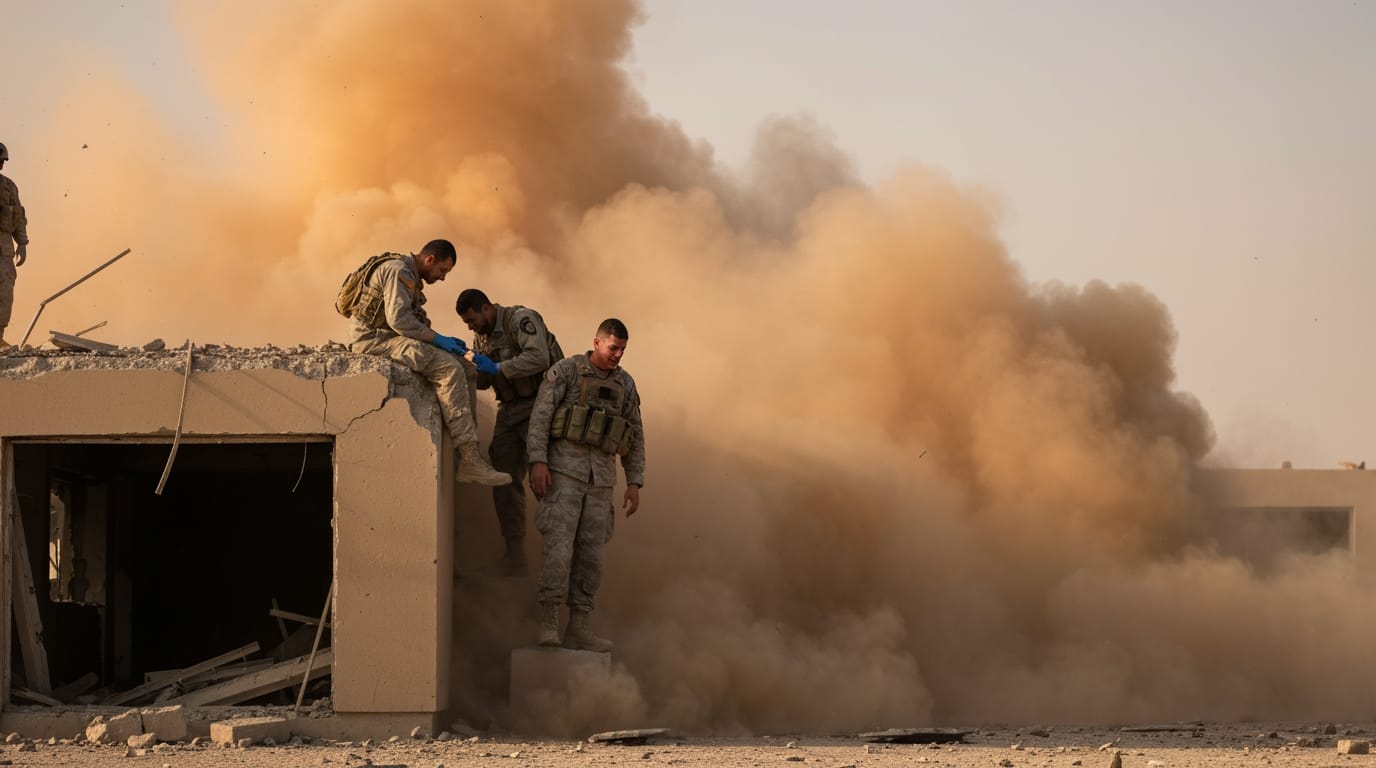
A recent Iranian missile and drone attack on Prince Sultan Air Base in Saudi Arabia has wounded at least 10 U.S. service members and damaged multiple American refueling aircraft, marking a significant escalation in the ongoing conflict between the United States and Iran. The incident, which occurred on Friday, March 27, 2026, further underscores the volatile security landscape in the Middle East, where U.S. forces have faced increasing threats amidst a broader campaign against Iranian aggression.
Latest Assault on Prince Sultan Air Base
The sophisticated attack on Prince Sultan Air Base involved both Iranian missiles and unmanned drones, striking a crucial facility for U.S. military operations in the region. Initial reports indicated at least 10 American service members sustained injuries in the coordinated assault, with two reported to be in serious condition. The attack also caused substantial damage to several U.S. refueling aircraft stationed at the base, impacting strategic aerial capabilities. Satellite imagery reportedly captured and circulated online appeared to corroborate the extent of the damage inflicted on the aircraft.
Prince Sultan Air Base, situated approximately 60 miles south of the Saudi capital, Riyadh, serves as a vital hub for U.S. military air operations in the Middle East. The targeting of such a strategically important base highlights Iran's intent to directly challenge the American military presence and its regional allies. The base has previously been a target, most notably in an earlier attack on March 1, 2026, which resulted in injuries to U.S. personnel.
Mounting Casualties in a Widening Conflict
The latest strike on Prince Sultan Air Base adds to a growing toll of American casualties in what U.S. officials have described as an escalating "war" with Iran. U.S. Central Command confirmed that more than 300 service members have been wounded across seven countries since the conflict began on February 28, 2026, with the majority having since returned to duty. Tragically, the conflict has also claimed the lives of 13 U.S. service members.
Among those fatalities is Army Sgt. Benjamin N. Pennington, 26, who succumbed to his injuries days after being wounded in the March 1st attack on Prince Sultan Air Base. This makes him the first American soldier to die on Saudi soil in the current conflict. Six other U.S. soldiers were killed in a drone strike at Camp Arifjan in Kuwait, marking the deadliest single incident of the confrontation. The breadth of casualties across multiple nations underscores the regional nature of the hostilities and the expansive reach of Iranian-backed threats.
Geopolitical Fallout and Diplomatic Standoffs
The attack occurred amidst a backdrop of heightened rhetoric and geopolitical maneuvering. President Donald Trump has asserted that Iran has been "obliterated" and emphasized that the time has come for Saudi Arabia and Israel to normalize diplomatic relations, a key objective of his administration's Abraham Accords. This push for normalization reflects a broader U.S. strategy to forge a united front against Iran in the Middle East.
Despite the escalating military actions, the prospect of diplomatic resolution remains uncertain. While Iran has consistently denied that negotiations are underway, it did recently agree to facilitate humanitarian aid and agricultural shipments through the critical Strait of Hormuz. This agreement, however, stands in stark contrast to the direct military engagements, suggesting a complex interplay of pressure and limited de-escalation efforts. The Strait of Hormuz is a pivotal global shipping lane, and any disruption has immediate and far-reaching economic consequences, including significant increases in global fuel prices.
The continued attacks on U.S. military installations and personnel highlight Iran's determination to resist what it perceives as foreign intervention and influence in the region. The U.S. military presence in Saudi Arabia, aimed at deterring Iranian aggression and protecting regional stability, has thus become a direct flashpoint. The strategic importance of Saudi Arabia, particularly its oil infrastructure and shipping lanes, makes it a frequent target in the broader struggle for regional hegemony.
An Uncertain Path Forward
The recent strike on Prince Sultan Air Base reinforces the precarious state of security in the Middle East and the complex challenges confronting international efforts to stabilize the region. The U.S. continues to pour military assets into the area, indicating a sustained commitment to its presence and its allies. However, the mounting casualties and the consistent targeting of American forces raise questions about the long-term sustainability of the current strategy and the potential for a wider, more protracted conflict.
The dynamic nature of the conflict, characterized by direct military strikes, proxy engagements, and intermittent diplomatic overtures, suggests an unpredictable path forward. The international community watches closely, concerned about the potential for further escalation and the broader humanitarian and economic consequences for an already fragile region.
The attack on Prince Sultan Air Base is a stark reminder of the human cost of geopolitical tensions and the persistent struggle for influence in the Middle East. As U.S. forces and their allies continue to navigate the complexities of countering Iranian aggression, the incident underscores the urgent need for a clear and effective strategy to de-escalate the conflict and protect the lives of service members deployed in harm's way. The fate of regional stability hinges on the delicate balance between military deterrence and the pursuit of diplomatic solutions.


