Iranian Women Fight for Rights Amidst Economic Crisis
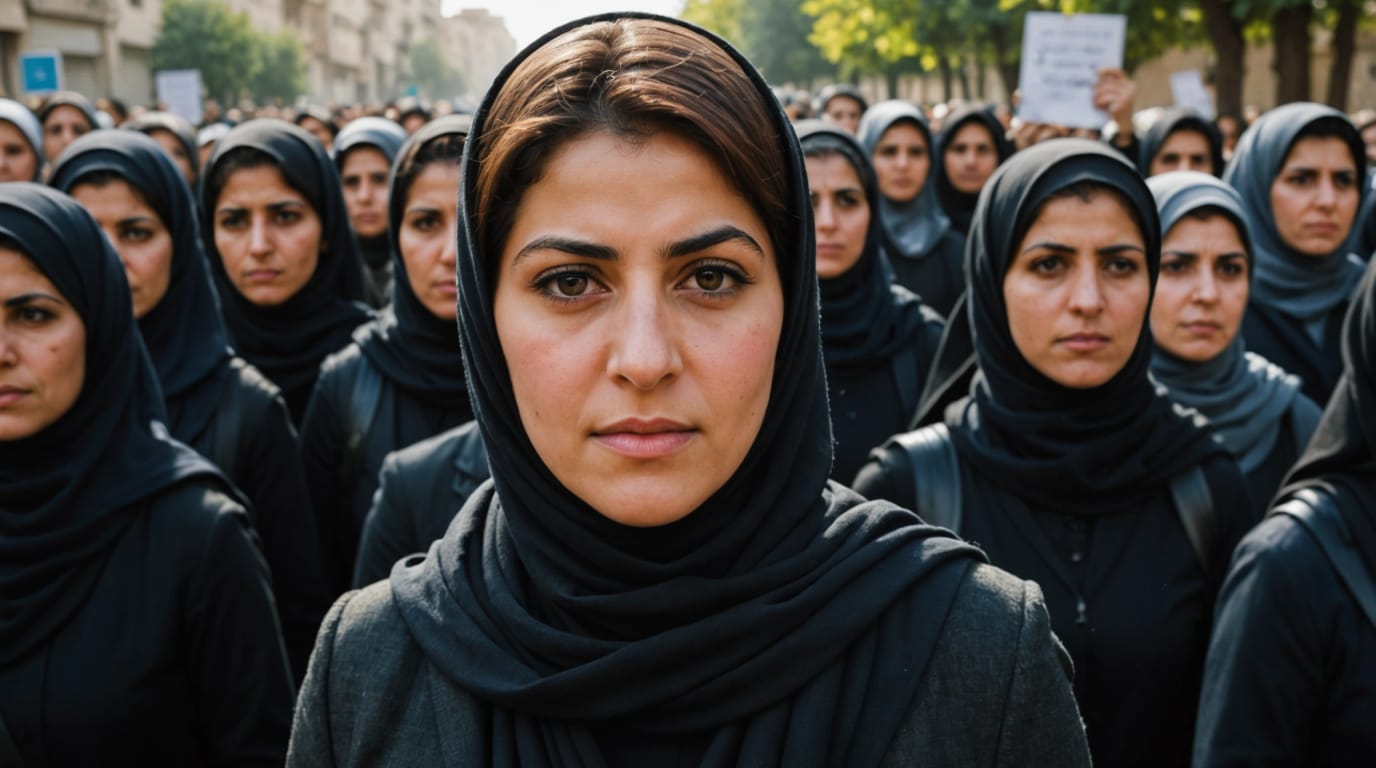
Iranian women are at the forefront of a multifaceted struggle for equality and basic human rights, exacerbated by a crippling economic crisis. Decades of legal and social discrimination, compounded by recent economic hardships, have fueled widespread discontent and resistance. The "Woman, Life, Freedom" movement, sparked by the death of Mahsa Amini in 2022, has become a symbol of this ongoing fight, highlighting the interconnectedness of women's rights, economic stability, and fundamental freedoms.
Legal and Social Discrimination
Since the 1979 Islamic Revolution, Iranian women have faced systemic discrimination enshrined in law and practice. These inequalities span various aspects of life, including marriage, divorce, child custody, and dress code.
- Personal Status Laws: Men can marry up to four women, while women can only have one husband. A woman needs her father's or grandfather's permission to marry. Muslim women are prohibited from marrying non-Muslim men, while Muslim men can marry women of other recognized religions. The legal age of marriage for girls was lowered to nine in 1982, before being raised back to 13 in 2002.
- Divorce and Child Custody: Women face significant disadvantages in divorce proceedings. Men can unilaterally divorce their wives, while women must go through a court process. Custody laws often favor fathers, particularly for older children.
- Dress Code: Compulsory hijab laws require women to cover their hair in public. Violations can result in fines, imprisonment, and even flogging. The enforcement of these laws has been a constant source of tension and resistance.
- Freedom of Movement and Employment: A husband can legally prevent his wife from working in certain occupations deemed against family values. Women's freedom of movement is also restricted by passport laws.
These legal constraints, coupled with societal norms, limit women's agency and participation in public life.
Economic Hardships and Their Impact on Women
Iran's economy has been struggling for years, due to corruption, mismanagement, and international sanctions. The COVID-19 pandemic further exacerbated these problems, leading to widespread job losses and increased poverty. Women have been disproportionately affected by these economic challenges.
- Job Losses: During the first year of the pandemic, approximately one million jobs were lost in Iran, with women accounting for two-thirds of those losses. The economic participation rate of women fell sharply to 14% in 2020.
- Female-Headed Households: The poverty rate among female-headed households has increased significantly, particularly after the tightening of international sanctions. In 2020, over half of female-headed households were living in poverty.
- Informal Economy: Many Iranian women work in the informal economy, where they lack legal protections, benefits, and social security. They are often subjected to low wages and difficult working conditions.
- Economic Sanctions: Economic sanctions have led to increased impoverishment of households, resulting in women taking on more unpaid labor within households.
The economic crisis has not only affected women's livelihoods but has also limited their ability to mobilize and advocate for political change.
The "Woman, Life, Freedom" Movement
The death of Mahsa Amini in September 2022 ignited a wave of protests across Iran, under the banner of "Woman, Life, Freedom." Amini, a 22-year-old Kurdish woman, was arrested by the morality police for allegedly violating hijab laws and died in custody. Her death became a catalyst for widespread anger and frustration over the systemic oppression of women and the country's broader social, political, and economic problems.
- Demands: The protests initially focused on compulsory hijab laws but quickly expanded to include demands for broader civil and political rights, economic justice, and an end to the Islamic Republic.
- Participation: Women, particularly young women, have been at the forefront of the protests, defying the mandatory hijab and chanting slogans against the government. The movement has gained support from various segments of society, including students, workers, and ethnic minorities.
- Government Response: The Iranian government has responded to the protests with a brutal crackdown, resulting in hundreds of deaths and thousands of arrests. Security forces have been accused of using excessive force, including lethal force, against protesters.
- "Noor Plan": In April 2024, the Iranian authorities launched a new nationwide campaign called the "Noor Plan" to enforce compulsory veiling, leading to a visible increase of security patrols in public spaces.
Despite the government's efforts to suppress the movement, women continue to resist and demand their rights.
International Response
The international community has condemned the Iranian government's human rights record and its crackdown on protesters. Several countries and organizations have imposed sanctions on Iranian officials and entities involved in human rights abuses.
- UN Fact-Finding Mission: The UN Human Rights Council established a Fact-Finding Mission on Iran to investigate alleged human rights violations related to the protests. The mission has documented widespread abuses, including murder, torture, rape, and gender persecution.
- Sanctions: The United States, the United Kingdom, and the European Union have imposed sanctions on Iranian officials and entities responsible for human rights violations.
- International Condemnation: International organizations, such as Amnesty International and Human Rights Watch, have condemned the Iranian government's repression of women and called for accountability.
- Support for Civil Society: Some countries and organizations have provided support to Iranian civil society organizations and human rights defenders.
However, some critics argue that the international response has been insufficient and lacks a holistic approach that considers the interconnectedness of civil, political, social, and economic rights.
The Future of Women's Rights in Iran
The fight for women's rights in Iran is far from over. Despite the challenges and setbacks, Iranian women continue to resist and demand equality. The "Woman, Life, Freedom" movement has demonstrated the power of collective action and the determination of Iranian women to shape their own future.
- New "Chastity and Hijab" Law: In December 2024, Iranian authorities adopted a new law that further erases the human rights of women and girls, imposing severe penalties for defying compulsory veiling. The law has been temporarily paused, but it demonstrates the government's continued efforts to suppress women's rights.
- Continued Resistance: Despite the government's repression, women continue to defy compulsory hijab laws and participate in protests. Their resistance serves as a constant reminder of their demands for equality and freedom.
- International Support: Continued international pressure and support for Iranian civil society are crucial to advancing women's rights in Iran. The international community must hold Iranian officials accountable for human rights abuses and support the efforts of Iranian women to achieve equality and justice.
The struggle for women's rights in Iran is intertwined with the country's broader political and economic challenges. Addressing these challenges and promoting a more inclusive and democratic society is essential for ensuring a future where all Iranians, including women, can enjoy their fundamental rights and freedoms.


