Iran's Civilians Caught in a Calamity: Trapped Between Foreign Bombs and Regime Crackdowns
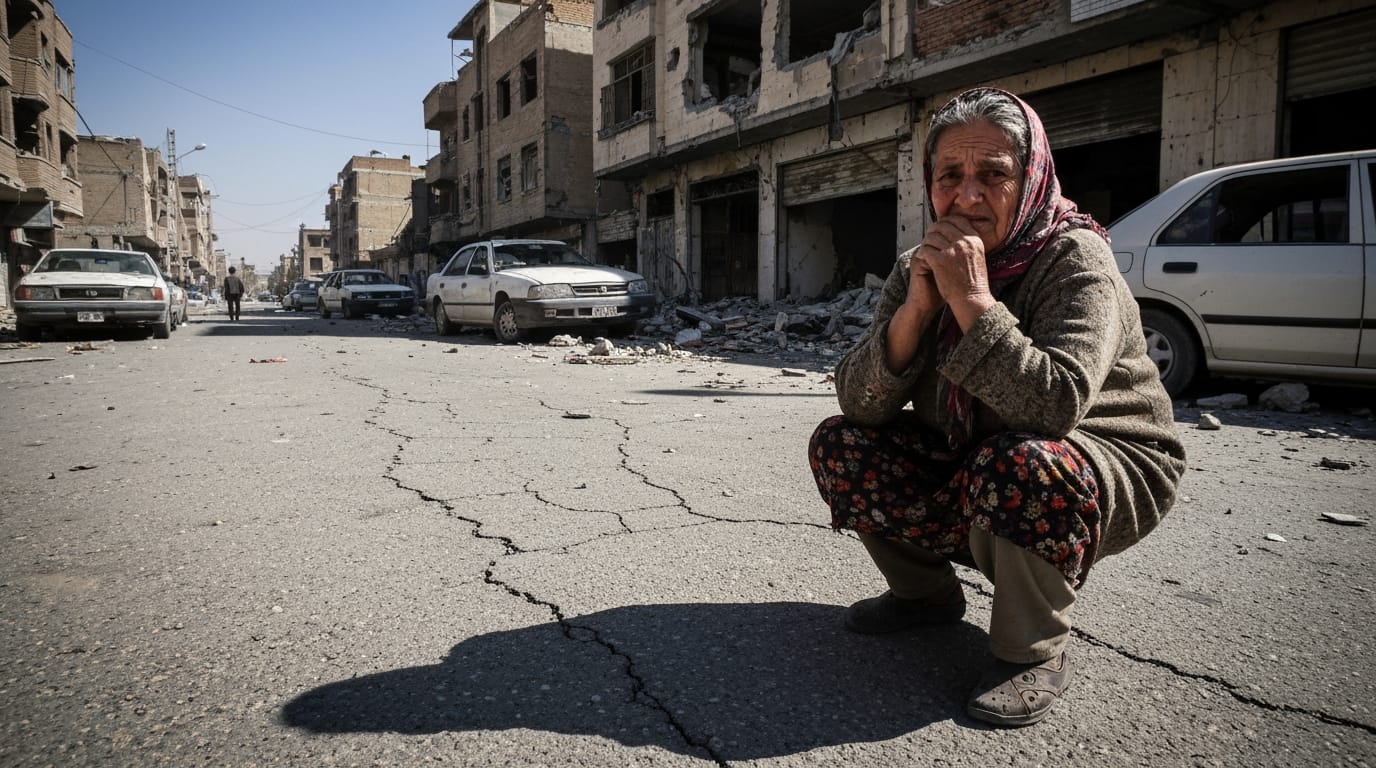
A profound humanitarian crisis is unfolding across Iran as its civilian population finds itself ensnared in an escalating regional conflict and simultaneous brutal internal repression. Since late February 2026, a joint US-Israeli military campaign against Iran, coupled with the Iranian government's intensified crackdown on widespread protests, has created an unprecedented dual threat, leaving thousands dead, critical infrastructure in ruins, and the lives of millions in jeopardy. The convergence of external "bombs" and internal state "regime" actions has plunged the nation into a complex emergency, raising urgent international alarms for civilian protection and adherence to international humanitarian law.
The Unfolding External Conflict and Its Civilian Toll
The latest escalation in hostilities, dubbed the "2026 Iran conflict," commenced on February 28, 2026, with a series of joint US-Israeli airstrikes targeting military, nuclear, and government facilities across Iran. These attacks, launched in an asserted bid for regime change and to dismantle Iran's nuclear and ballistic missile programs, have rapidly expanded into a broader regional confrontation. Iran has responded with its own waves of missile and drone attacks against Israel, US bases, and allied nations in the Middle East. The initial 12 hours of "Operation Epic Fury" alone saw nearly 900 strikes, underscoring the intensity of the assault.
The human cost of these external strikes has been devastating for Iranian civilians. As of March 9, 2026, preliminary reports from national authorities and the Iranian Red Crescent Society (IRCS) indicate at least 1,332 people have been killed and approximately 787 injured across more than 30 provinces. A particularly grievous incident involved a primary school in Minab, Hormozgan province, hit on February 28, reportedly killing nearly 170 children. This attack, which Human Rights Watch has urged to be investigated as a war crime, highlights the catastrophic impact on civilian areas, with the United Nations describing it as a "grave violation of humanitarian law". Civilian casualties have also been reported from Iranian counter-strikes hitting densely populated areas in Israel, with at least 10 people killed between February 28 and March 4.
Internal Repression: A Brutal Crackdown on Dissent
Concurrently with the external military operations, Iran has been grappling with extensive internal unrest. A series of nationwide protests, igniting in late December 2025 due to a deepening economic crisis and escalating human rights abuses, has been met with extreme force by the Iranian government. These demonstrations, regarded as the most extensive since the 1979 Islamic Revolution, spread to over 100 cities across all 31 provinces.
The government's response has been characterized by massacres and widespread repression. Security forces have employed live ammunition against demonstrators, leading to staggering death tolls. Estimates for those killed during the January 8-9, 2026 crackdown alone range from over 7,000 confirmed by Human Rights Activists in Iran (HRANA) to upwards of 36,500 people, according to reports reviewed by Iran International. These figures represent one of the deadliest periods of state violence in modern Iranian history, with some reports detailing extrajudicial executions of wounded protesters in hospitals. Hospitals have been overwhelmed by injured civilians, many with gunshot wounds, amidst allegations that medical workers have also been targeted.
Widespread Destruction and Humanitarian Desperation
The combination of external strikes and internal suppression has precipitated a severe humanitarian crisis. Civilian infrastructure has sustained extensive damage, with IRCS assessments revealing 6,668 structures impacted, including residential buildings, hospitals, schools, and sports facilities. This devastation is widespread, affecting urban centers and strategic locations across more than 30 provinces and nearly 200 cities.
Essential services are under immense pressure. Disruptions to water supply, sanitation, electricity networks, and health services are creating a volatile operational environment. The Iranian Red Crescent Society has activated its emergency response, deploying thousands of staff and volunteers, but the scale of the crisis is immense. Internal displacement is already occurring as people flee high-risk areas, signaling potential larger population movements should hostilities intensify. Adding to the isolation, Iranian authorities imposed a near-total internet blackout on February 28, 2026, severely restricting communication and the flow of information both internally and to the outside world. This digital blackout further compounds the challenges for humanitarian aid and independent monitoring.
Calls for Protection Amid Regional Instability
The escalating conflict has drawn urgent appeals from international human rights organizations. Amnesty International and Human Rights Watch have called on all parties to protect civilians, adhere to international humanitarian law, and cease unlawful attacks, including indiscriminate or disproportionate use of force in densely populated areas. Concerns are also mounting over the fate and safety of prisoners, including thousands of protesters arrested during the January 2026 uprising, with reports of explosions near detention facilities.
The conflict has also reverberated across the broader Middle East, drawing in more than 10 countries and further destabilizing an already volatile region. Lebanon has seen intensified attacks, while Houthi forces in Yemen, traditional allies of Iran, navigate their involvement in the spreading hostilities. The impact on global travel and trade has been immediate, with flights halted, shipping routes rerouted, and investor confidence plummeting.
As the region descends into deeper turmoil, the Iranian people endure a harrowing reality. Caught between foreign military might and their own government's iron fist, their plight underscores a profound failure of protection and a growing humanitarian catastrophe that demands immediate international attention and action. The convergence of these pressures paints a bleak picture for the future of a nation where everyday life has become a struggle for survival against an array of relentless threats.


