Iran's Digital Divide Deepens: Internet Access Becomes a Costly Privilege
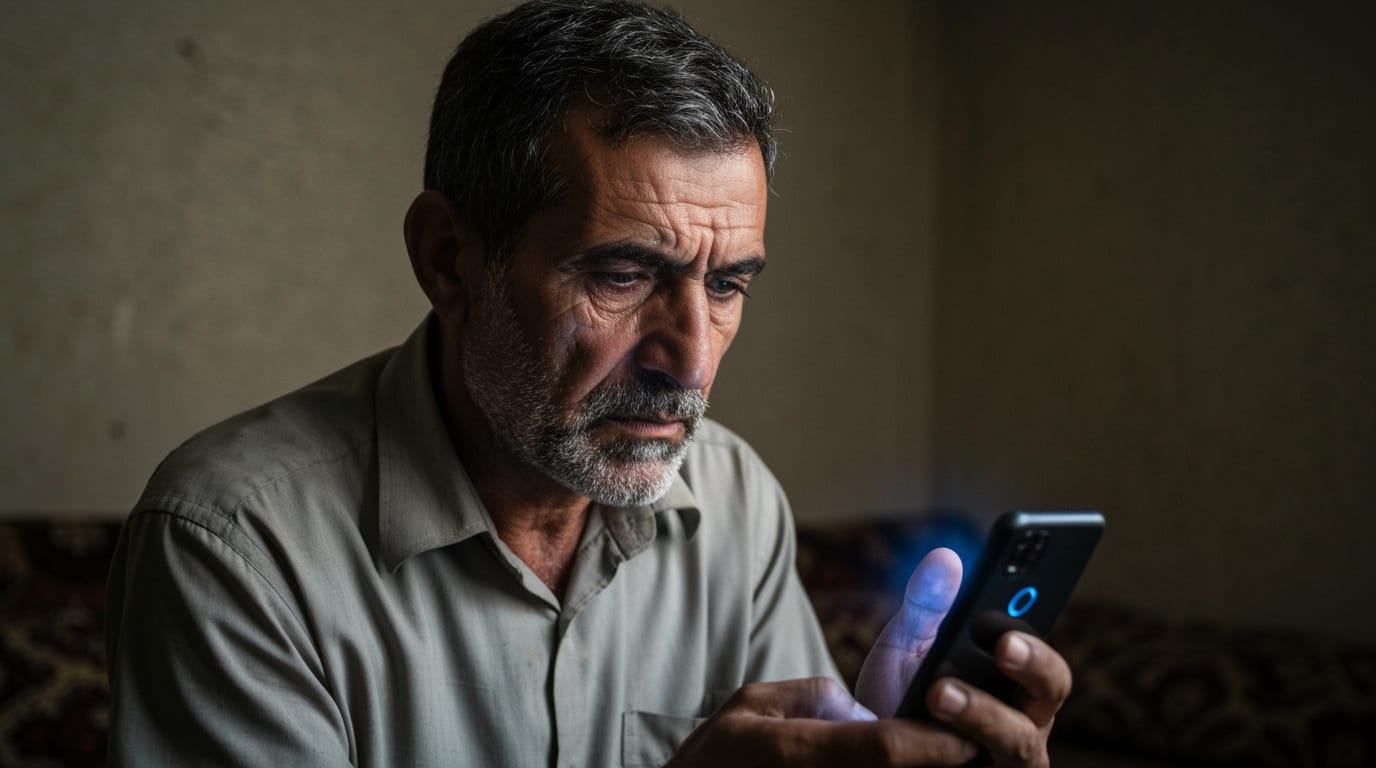
TEHRAN – Internet access in Iran has transformed from a fundamental tool for connection and commerce into a prohibitive luxury, creating a stark digital divide that segments society into privileged users and a vast majority struggling with restricted, costly, and often unavailable online services. A prolonged period of intensified internet censorship, coupled with deliberate blackouts and surging costs, has crippled the nation's digital economy, stifled communication, and deepened public frustration. The current landscape is marked by a two-tiered system, often referred to as "Internet Pro," where a select few enjoy largely unrestricted access, while ordinary citizens navigate a heavily filtered and increasingly expensive digital realm.
The nation's internet infrastructure has been under severe strain, with a near-total blackout persisting since February 28, following military actions, making it the longest such nationwide shutdown in a connected society. This unprecedented disruption has led to a significant contraction of Iran's digital economy, with reported losses mounting into billions of dollars and widespread job displacement.
The Iron Curtain of Digital Control
Iran operates one of the world's most restrictive internet censorship systems, with authorities actively filtering and blocking numerous international websites and popular social media platforms. Services such as YouTube, Twitter, Facebook, Instagram, and Telegram are routinely inaccessible to the general public. The Supreme Council of Cyberspace (SCC) and the Internet Filtering Committee are key bodies responsible for implementing these stringent controls.
Internet blackouts are not new to Iran, having been frequently imposed during periods of political unrest and protests to suppress dissent and control information flow. These shutdowns often reduce national internet traffic to minimal levels, effectively isolating the population from the outside world. Critics contend that these measures obscure human rights abuses and prevent independent reporting during critical events. The current protracted blackout, which began in January and intensified in late February, represents an escalation of these control mechanisms, fundamentally reshaping daily digital life for Iranians.
The Emergence of a Digital Elite
A defining characteristic of Iran's current internet landscape is the formalized "tiered internet" system, often dubbed "digital apartheid." While the vast majority of Iranian citizens contend with heavily filtered, slow, and intermittent internet service, a minority of government officials, their affiliates, wealthy supporters, and specifically approved individuals like business owners, academics, and scientists are granted access to a significantly less restricted, faster version of the global internet. This preferential access is often facilitated through mechanisms like "white SIM cards" and specialized "Internet Pro" services, which bypass the severe filtering applied to ordinary users.
The cost of this specialized access is substantial. For instance, a one-year "Internet Pro" package offering 50 gigabytes can cost around 2 million toman, with an additional activation fee of 2.8 million toman. When compared to the average monthly wage in Iran, which ranges between 20 million and 35 million tomans, the activation fee alone can consume a full month's income for many. This economic barrier, coupled with the tiered access, has drawn widespread criticism for exacerbating social and economic inequalities within the country.
Crippling Economic and Social Ramifications
The internet restrictions have inflicted severe damage on Iran's economy, particularly impacting its burgeoning digital sector. Estimates indicate daily economic losses ranging from $1.5 million per hour to as high as $35.7 million per day during recent blackouts. Over the past two months of severe disruptions, total economic losses have been estimated at $1.8 billion by Human Rights Activists in Iran (HRA) and Iran's Chamber of Commerce, with other reports suggesting up to $2.6 billion.
Small and online businesses have borne the brunt of these policies. Many entrepreneurs, particularly those reliant on platforms like Instagram for marketing and sales, have lost up to 80-90% of their marketing channels, leading to widespread business closures and job losses. More than 1 million jobs tied to Instagram alone were reportedly affected, with up to 3.5 million workers potentially impacted by the industrial contraction. The prolonged shutdown has forced many professionals, from digital artists to software developers, to lose their livelihoods, with some even resorting to street vending.
Beyond the economic toll, the restrictions have profound social and psychological consequences. Iranians report significant frustration and stress due to isolation from family and friends abroad, and the inability to access vital information or educational resources. The Iranian Psychiatric Association has warned that unequal internet access contributes to psychological stress, alienation, and erodes public trust.
The Continuous Battle for Access
Despite the government's stringent controls, a significant portion of the Iranian population actively seeks ways to circumvent restrictions. Over 86% of Iranians reportedly use Virtual Private Networks (VPNs) to access blocked content and the global internet. However, the use of "unauthorized" VPNs was officially outlawed in February 2024, requiring legal permits for their usage, and the government actively works to disrupt these services. The cost of black-market VPN services has surged, making even this circumvention method a financial burden for many.
Satellite internet services, such as Starlink, have emerged as another pathway to bypass government controls. However, possessing or using Starlink terminals is illegal and carries severe penalties, including arrest and accusations linked to national security. Reports of arrests and even deaths, such as that of Hesam Alaeeddin who reportedly died after being beaten by security services for using satellite internet equipment, underscore the risks associated with seeking unrestricted connectivity.
Divided Leadership and an Uncertain Future
Iranian authorities justify the extensive internet restrictions on national security grounds, citing the need to counter foreign "terrorist operations" and promote domestic platforms. However, the severe consequences of these policies have led to rare public divisions within the government. Some officials have acknowledged the devastating economic impact, with the Communications Minister, Sattar Hashemi, stating that the internet blackout is a "sovereign mandate" rather than a technical necessity, effectively shifting responsibility to unelected state bodies. Other government figures have publicly criticized the unequal access, with President Masoud Pezeshkian's office describing it as unfair and lacking legitimate justification.
Despite calls for easing restrictions and promises from some officials to gradually restore access, the Supreme Council of Cyberspace, led by Mohammad Amin Agahri, continues to enforce policies that prioritize control over widespread connectivity. The implementation of a tiered internet system, rather than blanket shutdowns, indicates a strategic shift towards managing online activity through selective access, pricing mechanisms, and infrastructural controls, allowing the state to shape information flows more precisely. The long-term implications for Iran's economy, social cohesion, and the fundamental rights of its citizens remain a critical concern, as access to the global internet increasingly becomes a privilege reserved for a select few.


