Nigeria's Anti-Corruption War: A Complex Battle of Convictions and Lingering Challenges
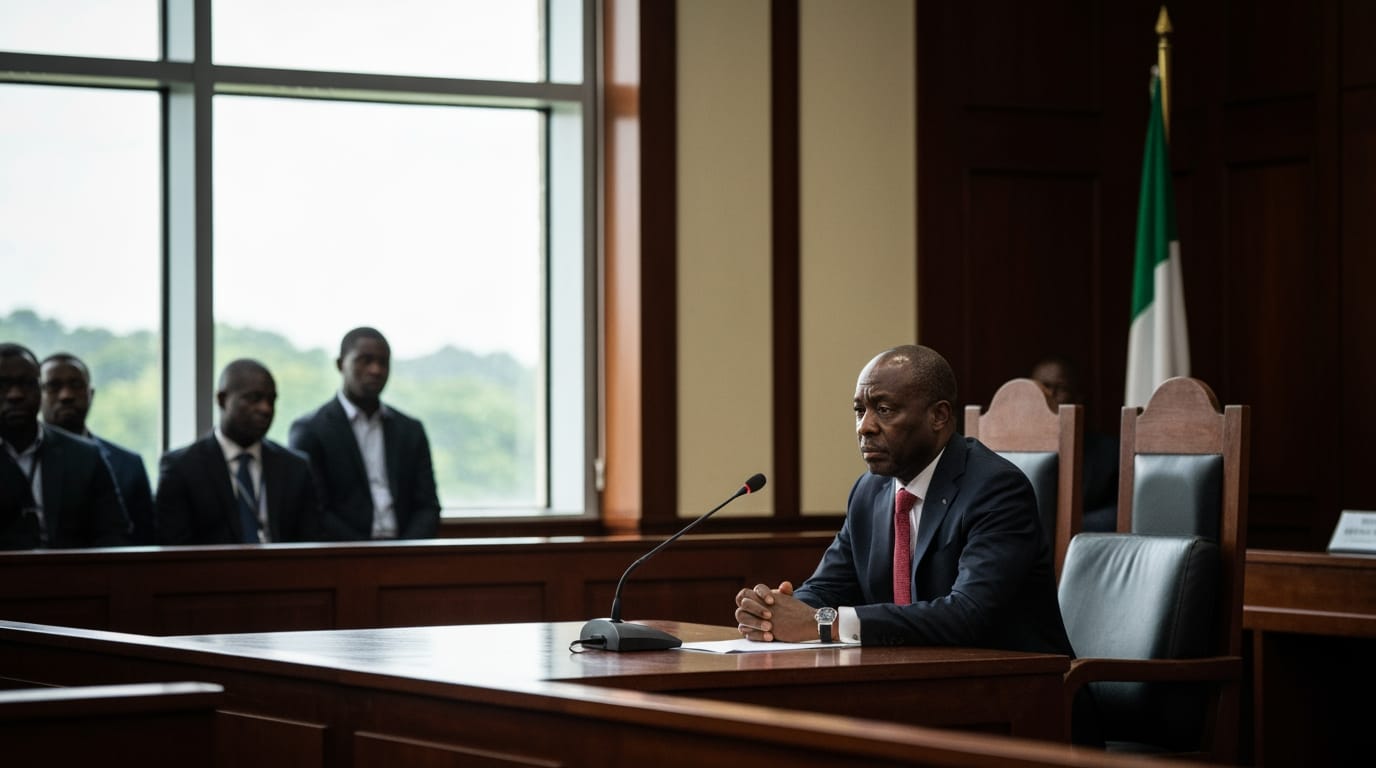
Abuja, Nigeria – Nigeria's protracted fight against corruption continues to yield a complex picture of notable successes in securing convictions and recovering illicit assets, alongside persistent systemic challenges that often impede the prosecution of high-profile offenders. While anti-graft agencies report thousands of convictions and billions in recovered funds, a critical examination reveals a dual reality where smaller-scale fraudsters are frequently brought to justice, even as powerful politically exposed persons (PEPs) navigate a convoluted legal landscape, highlighting the enduring obstacles in achieving comprehensive accountability.
Surging Conviction Rates and Significant Asset Recovery
Nigeria's primary anti-corruption bodies, the Economic and Financial Crimes Commission (EFCC) and the Independent Corrupt Practices and Other Related Offences Commission (ICPC), have announced substantial achievements in their relentless efforts to combat financial crimes. Within a single year, the EFCC and ICPC collectively secured 3,412 convictions and facilitated the forfeiture of N366.97 billion through judicial processes, recovering an additional N161.6 billion in various currencies. More recent figures from December 2024 indicate a total of 3,468 convictions and the recovery of over N277.685 billion and $105.966 million by both agencies within the year. The EFCC alone boasts over 7,500 convictions and more than N566 billion recovered in just two years since October 2023.
These statistics represent a significant increase in enforcement activity. Between 2019 and 2023, the EFCC secured 10,935 convictions from 58,165 investigated cases, translating to approximately 19% of all cases probed by the agency. When considering only cases filed in court, the conviction rate rises to an impressive 68% over the five-year period, with 3,785 convictions recorded in 2022 alone as a high point. The recovered assets encompass cash in Naira, Dollars, Pounds, Euros, and even cryptocurrency, along with physical properties such as 753 duplexes reclaimed by the EFCC. These figures underscore the intensified investigative capacity and improved coordination between the anti-graft agencies and the judiciary.
The Face of Conviction: From Officials to Cybercriminals
The individuals facing conviction in Nigeria's anti-corruption war span a wide spectrum, from public officials and high-ranking figures to internet fraudsters. A recent and prominent case involves former Power Minister Saleh Mamman, who was sentenced to 75 years in jail for diverting N33.8 billion intended for hydroelectric power projects. His subsequent arrest after going into hiding marked a rare, decisive follow-through in prosecuting high-level corruption. This conviction, delivered in absentia, highlights the determination of authorities to ensure that those found guilty serve their sentences.
Beyond high-ranking political appointees, the EFCC and ICPC have also secured convictions against judges, top military officers, and former state governors, a development previously considered uncommon in Nigeria's history. Past convictions include former Inspector-General of Police Mustapha Balogun for N5.7 billion corruption in 2005, and former bank managing directors like Cecilia Ibru and Francis Atuche for significant fraud cases. The anti-corruption efforts also extend to combating cybercrime, with the EFCC securing 50 convictions in the fight against internet fraudsters and currency racketeers.
Currently, several high-profile individuals are facing charges, including former governors Abdullahi Ganduje and Yahaya Bello, and former Central Bank Governor Godwin Emefiele, all listed in the Human Environmental Development Agenda's (HEDA) compendium of high-profile corruption cases. Ganduje is accused of bribery and conspiracy to convert funds, while Bello faces charges of financial misappropriation and money laundering totaling billions of Naira. Emefiele is also under investigation for acquiring illicit assets. These ongoing cases demonstrate the breadth of the anti-corruption drive, targeting various sectors and levels of governance.
The Enduring Battle: Challenges and Criticisms
Despite the encouraging conviction rates and asset recoveries, Nigeria's anti-corruption war remains fraught with significant challenges. Critics often point to the slow pace of justice for politically exposed persons (PEPs) and the perception that the fight is sometimes selective, disproportionately targeting less powerful individuals while high-profile cases languish in court or result in inconclusive outcomes.
A major finding in research on the subject indicates that a lack of independence and interference from policymakers are principal obstacles in the fight against corruption. Other systemic issues include political interference, judicial bottlenecks, a weak judicial system, inadequate funding for anti-graft agencies, and a general lack of political will to implement anti-corruption laws effectively. Cases involving PEPs often face numerous setbacks, from initial detection to investigation, arraignment, and trial, frequently ending in acquittals after inordinate delays or through unfair plea bargains.
For instance, while 33 former governors have been prosecuted by the EFCC, only a handful have resulted in convictions, with many cases stalled, discharged, or acquitted. The challenge is compounded by the fact that governors enjoy immunity from prosecution while in office, meaning anti-graft agencies must wait until their tenure ends to act. Even when cases are brought, some, like that of former Jigawa state governor Saminu Turaki, have been struck out due to lack of "diligent prosecution". This highlights the need for stronger institutional frameworks, adequate resources, and a consistent political commitment across all branches of government to bolster the anti-corruption efforts.
Conclusion: A War of Attrition
Nigeria's anti-corruption war is a continuous battle, marked by a dynamic interplay of progress and persistent obstacles. The increasing numbers of convictions and substantial asset recoveries signal a notable advancement in holding individuals accountable and retrieving stolen public funds. These successes, particularly in pursuing high-ranking officials and diverse financial criminals, offer a glimmer of hope in a nation long plagued by systemic graft. However, the protracted nature of high-profile cases, coupled with concerns about political interference, judicial delays, and the perception of selective justice, underscore the deep-seated challenges that continue to undermine public confidence. The path to a truly corruption-free Nigeria demands not only sustained efforts in law enforcement but also fundamental reforms to strengthen judicial independence, foster unwavering political will, and ensure transparency and accountability at every level of governance.