Iran's Middle Class Squeezed as Economic Crisis Deepens
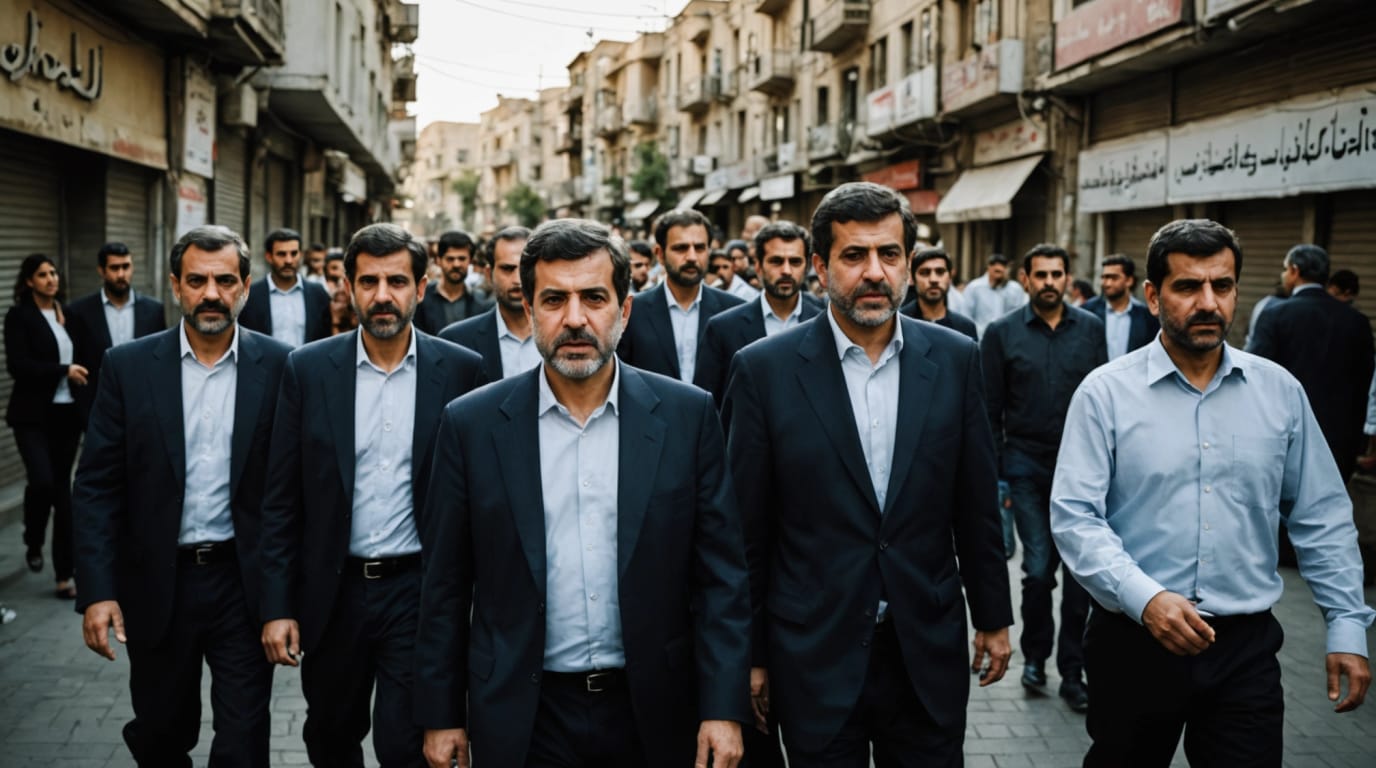
TEHRAN – Iran's middle class, long considered the backbone of the nation, is facing increasing economic hardship as a confluence of factors, including international sanctions, government mismanagement, and persistent inflation, erode their living standards and threaten social stability. Millions of Iranians are struggling to maintain their middle-class status, with many slipping into poverty as the country grapples with its most severe economic crisis in recent history.
The Shrinking Middle Class
The Iranian middle class, which once constituted a significant portion of the population, has been steadily shrinking for over a decade. A study published in July 2024 by economists Mohammad-Reza Farzanegan and Nader Habibi indicated that Iran's middle class contracted by a staggering 88% between 2012 and 2019, largely due to the impact of Western sanctions. This decline translates to approximately eight million fewer people in the middle class than expected. More recent data suggests this trend has continued, with estimates placing the current middle-class population at around 35% of the total population.
The erosion of the middle class has far-reaching implications for Iran's social and political landscape. Historically, the middle class has been a driving force for political moderation, globalization, and reform. As their economic situation deteriorates, their ability to advocate for these values diminishes, potentially leading to social unrest and political instability.
The Impact of Sanctions and Mismanagement
The imposition of international sanctions, particularly those implemented by the United States, has significantly impacted Iran's economy. These sanctions have restricted Iran's access to global markets, limited its oil exports, and hindered foreign investment. While Iranian officials often attribute the economic crisis solely to sanctions, many analysts point to internal factors such as government mismanagement, corruption, and inefficient economic policies as major contributing factors.
Misguided subsidy policies, bureaucratic obstacles, and a lack of transparency have exacerbated the economic challenges. The Iranian economy is also suffering from imbalances caused by electricity shortages and financial sector deficiencies. These internal issues, combined with the external pressures of sanctions, have created a perfect storm that is devastating the middle class.
Inflation and the Rising Cost of Living
One of the most pressing challenges facing the Iranian middle class is the soaring cost of living, driven by persistent inflation. Iran has endured approximately 40% annual inflation over the past five years, with its currency losing 95% of its value since 2018. In February 2025, the annual inflation rate reached over 35%, the highest in 12 months, with food costs being the primary driver.
The rising prices of essential goods, including food, housing, and healthcare, have made it increasingly difficult for middle-class families to make ends meet. Minimum monthly living expenses for an average family have surged, while average monthly incomes have not kept pace. This disparity has forced many families to cut back on essential purchases, reduce their quality of nutrition, and forgo activities that were once considered part of a normal middle-class lifestyle. Some families are even being forced to sell their possessions or resort to desperate measures to survive.
Social Consequences and Potential for Unrest
The economic hardship faced by the Iranian middle class is not just an economic issue; it has significant social consequences. As families struggle to provide for their basic needs, social problems such as breadwinners abandoning their families and increased crime rates are on the rise. The emigration of middle-class Iranians, particularly skilled professionals such as doctors and professors, has also reached alarming levels, further threatening the country's social capital.
An Iranian sociologist, Ardeshir Geravand, has warned that the impoverishment of the middle class could lead to social unrest and even revolution. When legitimate pathways to power and wealth are blocked, and people feel that they cannot achieve a normal life, they may turn to violence as a means of restoring justice. The protests that have occurred in recent years, often led by marginalized populations struggling with severe economic hardships, are a testament to the growing discontent within Iranian society.
Glimmers of Hope and Future Prospects
Despite the bleak outlook, there are some signs of potential improvement. The International Monetary Fund (IMF) projects that Iran's economy will grow by 3.1% in 2025, driven by increased oil and natural gas production. The IMF also expects the inflation rate to fall to 29.5% in 2025, the lowest in four years. However, these projections are contingent on various factors, including the easing of sanctions and the implementation of sound economic policies.
President Masoud Pezeshkian has prioritized resolving the sanctions challenge through diplomacy and has expressed a willingness to pursue renewed dialogue with the West. If successful, these efforts could lead to the lifting of sanctions, which would provide a much-needed boost to the Iranian economy and alleviate some of the pressure on the middle class.
However, even with these potential improvements, significant challenges remain. The Iranian government must address the underlying issues of mismanagement, corruption, and inefficient economic policies to create a sustainable and equitable economy. Without comprehensive reforms, the middle class will continue to suffer, and the risk of social unrest will remain high.
Conclusion
The economic crisis in Iran is disproportionately affecting the middle class, threatening their livelihoods, social standing, and future prospects. While international sanctions have undoubtedly contributed to the crisis, internal factors such as government mismanagement and corruption play a significant role. The soaring cost of living, driven by persistent inflation, has made it increasingly difficult for middle-class families to make ends meet, leading to social consequences and the potential for unrest. While there are some glimmers of hope for economic improvement, the Iranian government must implement comprehensive reforms to address the underlying issues and create a more sustainable and equitable economy for all its citizens. The future of Iran's middle class, and indeed the stability of the nation, depends on it.


