Iraq Aims for Tourism Boom Amidst Security Concerns and Infrastructure Gaps
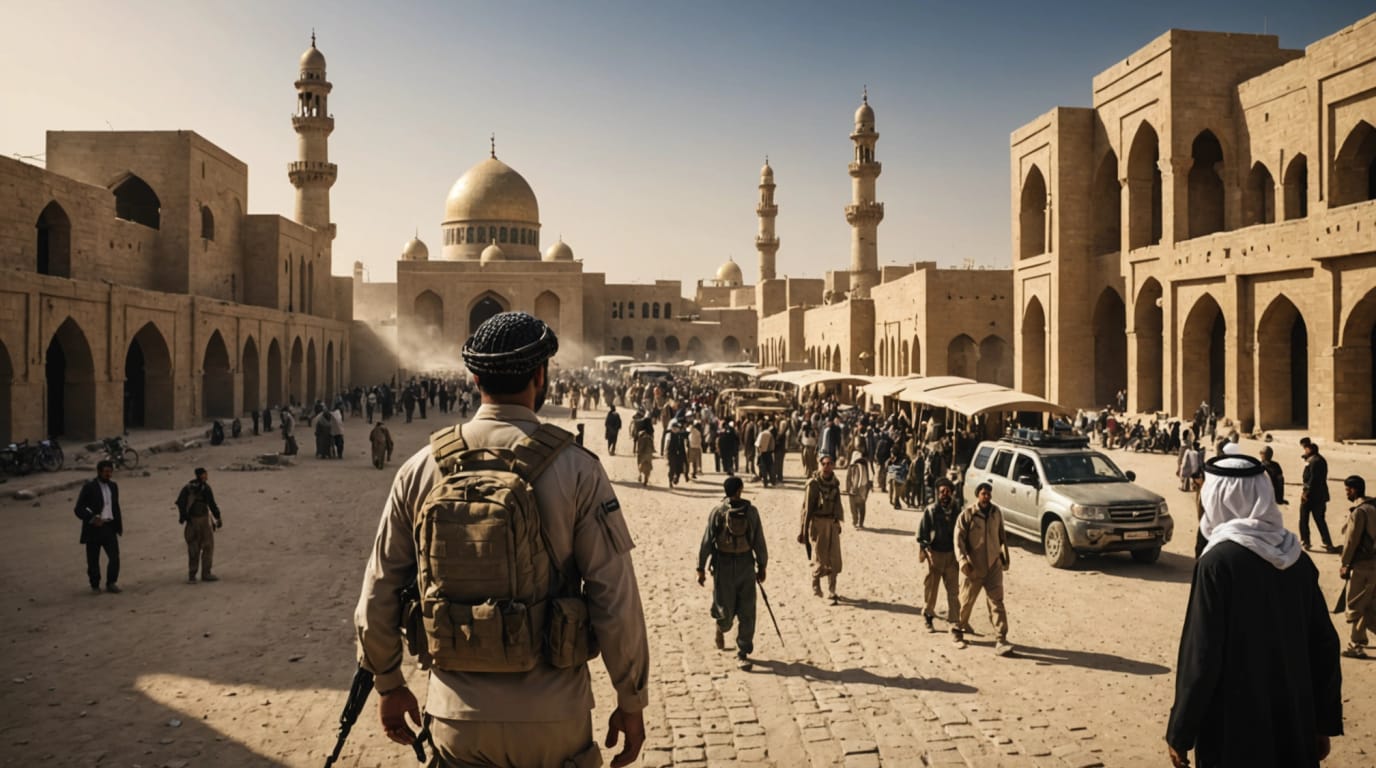
Iraq, a land steeped in history and religious significance, is embarking on an ambitious journey to transform itself into a prominent tourist destination. Despite decades of conflict and instability, the country is actively pursuing plans to attract one million tourists to its archaeological and religious sites, aiming to diversify its oil-dependent economy and create new opportunities for its citizens. However, significant challenges remain, including security concerns, underdeveloped infrastructure, and the need for substantial investment.
A Land of Untapped Potential
Iraq boasts a rich tapestry of historical and religious landmarks, holding immense appeal for both Islamic and Christian pilgrims, as well as those interested in ancient civilizations. The country is home to Babylon, a UNESCO World Heritage Site, the ancient city of Ur, and significant religious sites in Najaf and Karbala. The northern Kurdish region offers diverse landscapes suitable for ecotourism and adventure activities.
In 2023, tourism contributed 5.4%, equivalent to $11.4 billion, to Iraq's GDP, with almost 90% of inbound visitors coming from Iran. Recognizing the potential for growth, the Iraqi government has launched several initiatives to bolster its tourism sector. The Iraq Development Fund seeks to secure $1 billion in tourism investments this year alone, as part of a broader effort to attract $7 billion across multiple industries. Visa reforms introduced in 2021 allow citizens from 37 countries, including the US, UK, Canada, and select EU states, to obtain visas on arrival, with a streamlined e-visa system launched three years later. The Hadara (Civilisation) initiative aims to develop tourist resorts at the country's numerous archaeological sites.
Overcoming Security Challenges
One of the most significant obstacles to Iraq's tourism ambitions is the persistent security threat. Several governments continue to advise against travel to Iraq, citing risks of terrorism, kidnapping, armed conflict, and civil unrest. While attacks on tourists are rare, the potential for indiscriminate attacks in public places remains a concern.
To mitigate these risks, the Iraqi government is prioritizing the safety and security of tourists. Tourist site areas are protected, and security measures are being implemented to ensure the well-being of visitors. However, travelers are still advised to exercise extreme caution, choose accommodations with adequate security, and consult with private security companies for advice and protection.
Infrastructure Development: A Key Priority
Iraq's tourism infrastructure is currently underdeveloped, requiring significant investment to meet international standards. While the number of hotels and guesthouses has increased, particularly in Najaf, Karbala, and Baghdad, there is a need for more diverse accommodation options. Cities like Basra would greatly benefit from increased investment in hotels, roads, and transportation networks to support tourism and economic growth.
The Iraqi government is aware of these challenges and is working to improve infrastructure. Studies are being finalized for substantial tourism projects, including integrated tourism resorts with hotels, restaurants, and entertainment facilities in Baghdad, Mosul, Babylon, and Ur. New hotels are under construction, including Mövenpick, Rixos, and Qalb Al-Alam, with investments exceeding $200 million.
Baghdad: Capital of Arab Tourism 2025
Baghdad's selection as the Capital of Arab Tourism for 2025 underscores Iraq's commitment to fostering tourism and enhancing its global image. The city needs 30,000 hotel rooms in five and four-star categories to accommodate its target number of tourists. This recognition provides an opportunity to showcase Baghdad's rich cultural heritage and attract visitors from across the Arab world and beyond.
Diversifying Beyond Religious Tourism
While religious tourism to the Shiite holy cities of Karbala and Najaf has been thriving, mostly from Iran, Iraq is also seeking to diversify its tourism offerings. The country boasts archaeological wonders such as Babylon, a UNESCO World Heritage Site, and numerous ancient settlements that extend its appeal beyond religious interests. The Kurdish region offers opportunities for ecotourism and adventure tourism, with breathtaking landscapes and mountains suitable for trekking and skiing.
The Path Forward
Iraq's tourism sector is on a promising trajectory, with visitor numbers increasing from approximately 120,000 in 2022 to over 400,000 in 2024. Long-term projections suggest international tourist arrivals could reach nearly 2 million by 2034. To achieve this ambitious goal, Iraq needs to address the challenges of security, infrastructure development, and investment.
The Iraqi government is taking proactive measures to promote tourism, streamline visa processes, and ensure the safety of tourists. By investing in infrastructure, diversifying tourism offerings, and preserving its cultural heritage, Iraq can unlock its immense potential as a global tourist destination.
Conclusion
Iraq's journey to become a major tourist destination is fraught with challenges, but the country's rich history, religious significance, and diverse landscapes offer immense potential. With a focus on security, infrastructure development, and strategic investment, Iraq can overcome these obstacles and realize its ambitious tourism goals, contributing to economic diversification and a brighter future for its people. The selection of Baghdad as the Capital of Arab Tourism in 2025 is a significant step in this direction, providing a platform to showcase Iraq's cultural heritage and attract visitors from around the world.


