Iraq Grapples with the Complex Return of Alleged ISIS Families from Syria
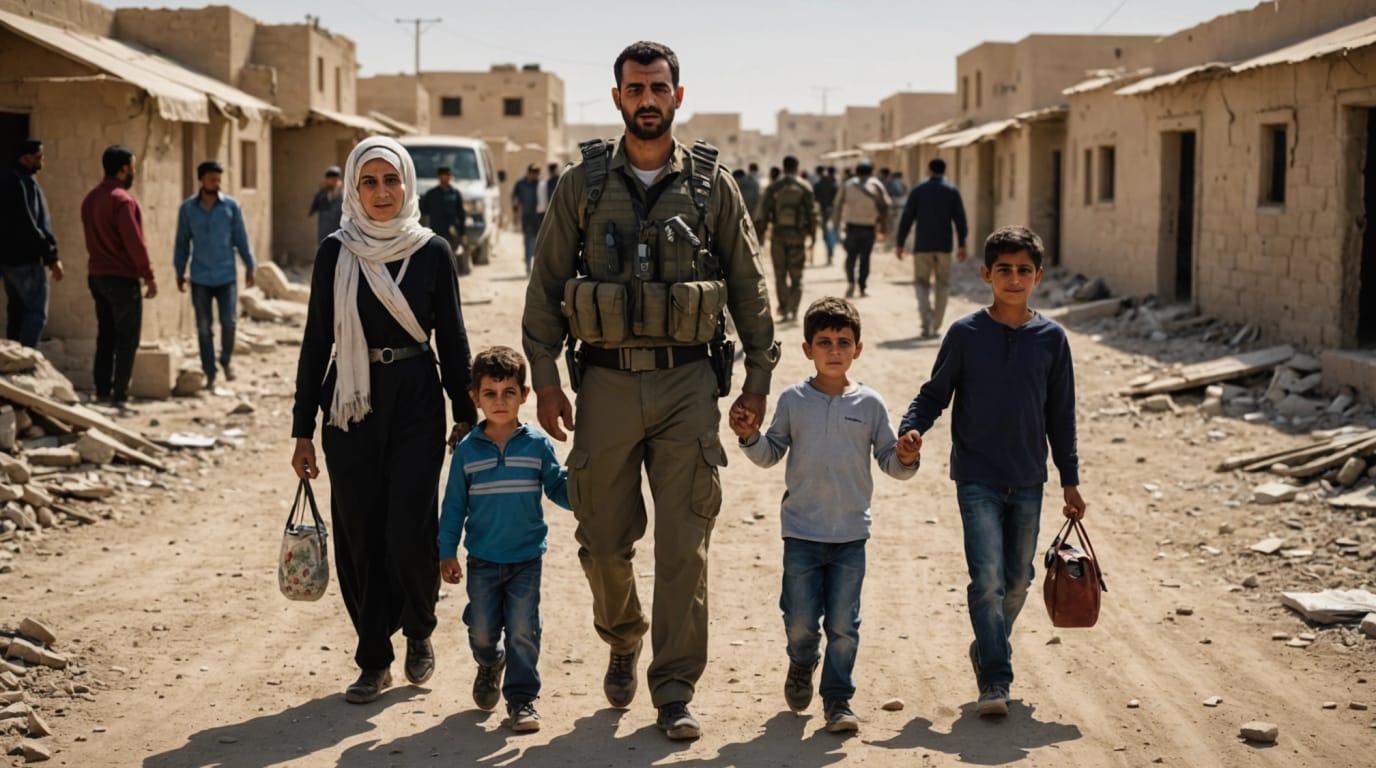
The defeat of ISIS in Iraq in 2017 and Syria in 2019 left behind a complex and sensitive issue: what to do with the families of those who had joined the extremist group, many of whom are now in camps in northeastern Syria. As Iraq moves towards recovering its nationals, the country faces significant challenges balancing humanitarian concerns, security risks, and the need for social cohesion in communities scarred by ISIS's brutal reign.
The Situation in Syrian Camps
Thousands of Iraqi nationals, primarily women and children, reside in camps like Al-Hol and Roj in northeastern Syria, controlled by the Syrian Democratic Forces (SDF). These camps, initially established to house those displaced by the conflict with ISIS, have become de facto detention centers for families perceived to be associated with the group. Estimates suggest that a significant percentage of the Iraqi residents in these camps, possibly as high as 95%, are from families with a perceived association with ISIS. Conditions within the camps are dire, with chronic shortages of food, clean water, and medical care. Hundreds have died from preventable diseases, violence, or accidents.
The presence of these families in the camps poses several risks. The camps can become breeding grounds for extremism, with ISIS ideology potentially influencing vulnerable residents, especially women and children. The long-term detention without judicial process also raises serious human rights concerns.
Iraq's Repatriation Efforts
Despite the challenges, Iraq has been working to repatriate its citizens from the Syrian camps. Between May 2021 and January 2022, Iraqi authorities recovered 450 families, totaling 1,796 people, mostly women and children, in four batches. These returnees undergo security checks both in Al-Hol Camp and upon arrival at the Al-Jada 1 Centre for Psychosocial Rehabilitation near Qayyarah, south of Mosul. The Iraqi government, in cooperation with international organizations, provides psychological support and rehabilitation programs.
However, the repatriation process is fraught with difficulties. Security concerns are paramount, as authorities must ensure that returnees do not pose a threat to national security. Administrative procedures, clan and sectarian tensions, and unstable economic conditions further complicate the process.
Challenges of Reintegration
Even after repatriation, the challenges are far from over. Reintegrating families perceived as associated with ISIS into Iraqi society is a complex undertaking. Many communities, particularly those that suffered under ISIS rule, are resistant to the return of these families. They fear that the returnees may still harbor extremist sympathies or that their presence could destabilize the region.
An official in the Iraqi Ministry of Interior estimated that approximately 250,000 people from families perceived as associated with ISIS are unable to return to their homes. In some cases, this is due to the destruction of their homes and infrastructure. However, in most cases, it is due to a de facto ban imposed by local communities, authorities, or the Popular Mobilization Forces (PMF), who believe that these families were sympathetic to ISIS or had relatives who cooperated with the group.
To address these challenges, the Iraqi government, with the support of international organizations, is implementing several strategies:
- Security Clearances: The Iraqi National Security Service requires displaced persons to obtain a security permit, considered a certificate of disavowal from ISIS, to return to their areas of origin.
- Rehabilitation Programs: Returnees are provided with psychological support, intellectual rehabilitation programs, and social reintegration initiatives.
- Community Reconciliation: Efforts are being made to promote reconciliation between returning families and local communities through reconstruction of infrastructure, restoration of services, and dialogues facilitated by government, tribal, and civic leaders.
The Role of International Law and Human Rights
The issue of repatriating and reintegrating ISIS families raises complex questions of international law and human rights. While international law does not explicitly require countries to repatriate their nationals detained in non-international armed conflicts abroad, there is a growing consensus that repatriation is the most viable option to ensure their well-being and neutralize further security threats.
The UN Special Rapporteur on the promotion and protection of human rights and fundamental freedoms while countering terrorism has stated that the urgent return and repatriation of suspected foreign fighters and their families from conflict zones is "the only international law-compliant response" to their arbitrary, indefinite detention. The European Court of Human Rights has also ruled that countries have an obligation to take appropriate safeguards to avoid arbitrary refusals to repatriate their citizens.
Furthermore, international human rights law emphasizes the best interests of the child in all actions concerning children. Detaining and imprisoning mothers may run contrary to this principle.
Balancing Justice and Reconciliation
One of the most difficult aspects of dealing with returning ISIS families is balancing the need for justice with the imperative of reconciliation. Survivor families often demand compensation, criminal accountability, and a demonstration of disavowal of ISIS ideology from returning families.
A reconciliation process involving survivor families and families with perceived affiliation, supported by government, tribal, and civic leaders, is crucial to address these concerns. This process should aim to meet the needs of survivor families while also providing opportunities for returning families to demonstrate their rejection of extremism and reintegrate into society.
Looking Ahead
The challenges Iraq faces in dealing with returning ISIS families are immense, but not insurmountable. A comprehensive, multi-dimensional strategy is needed, with clear plans and comprehensive programs for rehabilitation, integration, and safe return to areas of origin. This strategy must address security concerns, administrative procedures, clan and sectarian tensions, and unstable economic conditions.
The international community must also play a crucial role by providing financial aid, technical expertise, and support for community reconciliation efforts. By working together, Iraq and the international community can help ensure that the return of ISIS families contributes to long-term stability and social cohesion, rather than fueling further conflict and extremism.


