Israel Announces Plan to Seize 'Large Areas' of Gaza Amid Expanding Military Operation
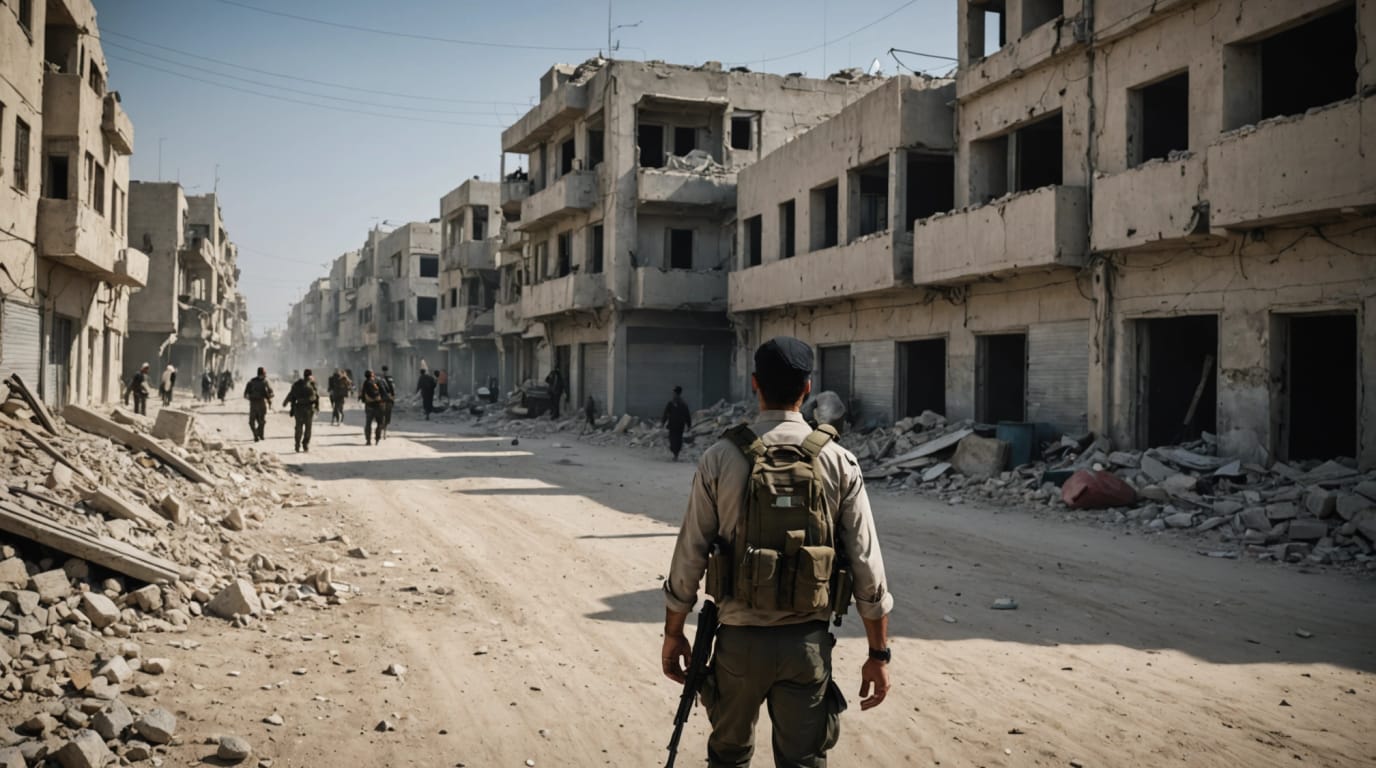
JERUSALEM – Israel is significantly escalating its military operations in the Gaza Strip, with plans to seize "large areas" of the Palestinian territory, according to a statement released Wednesday by Defense Minister Israel Katz. The move signals a new phase in the ongoing conflict, raising concerns about the potential displacement of Palestinian civilians and the long-term implications for the region.
Katz stated that the offensive is "expanding to crush and clean the area of terrorists and terrorist infrastructure and capture large areas that will be added to the security zones of the State of Israel." While he did not specify which areas would be targeted, the announcement suggests a substantial increase in Israeli control over Gazan land. Katz urged Gaza residents to "expel Hamas and return all hostages," framing it as "the only way to end the war."
The announcement comes as the conflict between Israel and Hamas continues into its sixth month, sparked by the Oct. 7, 2023, attack on southern Israel, where Hamas-led militants killed approximately 1,200 people and took 251 hostages. Since then, Israel's offensive has resulted in the deaths of more than 50,000 Palestinians, according to Gaza's Health Ministry, which does not differentiate between civilians and combatants. Israel claims to have killed around 20,000 militants, though it has not provided concrete evidence to support this figure.
Military Objectives and Security Zones
The stated objective of the expanded military operation is to dismantle terrorist infrastructure and establish security zones. Israel has long maintained a security perimeter along its border with Gaza, and the current expansion suggests a deepening of this buffer zone. Israeli forces have already established a significant buffer zone within Gaza, expanding an area around the edge of the territory that existed before the war, as well as a large security area in the so-called Netzarim corridor through the middle of Gaza. The creation of these zones raises questions about the future of Gaza's territorial integrity and the potential for long-term Israeli presence.
The concept of "security zones" is not new in the Israeli-Palestinian conflict. In the past, Israel has established similar zones in other occupied territories, often citing security concerns. However, critics argue that these zones often lead to the displacement of Palestinian communities and the fragmentation of Palestinian land.
Humanitarian Concerns and Displacement
The expansion of military operations raises serious concerns about the humanitarian situation in Gaza, which was already dire before the latest announcement. International organizations have warned of widespread food shortages, lack of access to clean water, and a collapsing healthcare system. The large-scale evacuation of civilians from combat zones, as announced by Katz, is likely to exacerbate these problems.
The Israeli military has issued evacuation warnings to Gazans living around the southern city of Rafah and towards the city of Khan Yunis, directing them to move to the al-Mawasi area on the shore, previously designated as a humanitarian zone. However, aid organizations have questioned the suitability of al-Mawasi to accommodate a large influx of displaced people, citing a lack of infrastructure and resources.
Hostage Negotiations and Political Implications
The announcement of the expanded military operation has drawn criticism from the Hostages and Missing Families Forum, a group representing families of those held captive in Gaza. The forum expressed "horror" at Katz's statement, fearing that the goal of freeing the hostages has been "pushed to the bottom of the priority list." They questioned whether the government had decided to "sacrifice the hostages for the sake of 'territorial gains?'"
The issue of hostages remains a sensitive and complex one. While Israel has stated its commitment to securing their release, the ongoing military operations have complicated negotiations with Hamas. The militant group still holds 59 captives, of whom 24 are believed to still be alive, after most of the rest were released in ceasefire agreements or other deals.
International Response and Regional Tensions
The international community has reacted with concern to Israel's announcement. Many countries have reiterated their calls for a ceasefire and a negotiated solution to the conflict. The United Nations has warned of the potential for further escalation and has urged all parties to respect international law.
The conflict has also heightened tensions in the wider region. Concerns remain about the potential for the conflict to spread to other countries, particularly Lebanon and Syria. The involvement of regional actors could further destabilize the region and complicate efforts to find a peaceful resolution.
Future Prospects for Gaza
The long-term implications of Israel's expanded military operation for the future of Gaza remain uncertain. The seizure of "large areas" of the territory raises questions about the possibility of a permanent Israeli presence and the potential for further displacement of Palestinian communities.
The idea of forcing Gazans to leave for neighboring countries including Egypt and Jordan, first floated by Trump, has been backed by right-wing Israeli politicians, including Prime Minister Benjamin Netanyahu. Katz last week warned the military would soon "operate with full force" in more parts of Gaza. In February, he announced plans for an agency to oversee the "voluntary departure" of Palestinians from Gaza.
As the conflict continues, the need for a comprehensive and lasting solution becomes ever more pressing. The international community must work together to address the underlying causes of the conflict and to create a viable path towards peace and security for both Israelis and Palestinians. The focus should be on de-escalation, humanitarian assistance, and a renewed commitment to a two-state solution that guarantees the rights and dignity of all.


