Israel Bolsters War Chest Amid Intensifying Conflict with Iran
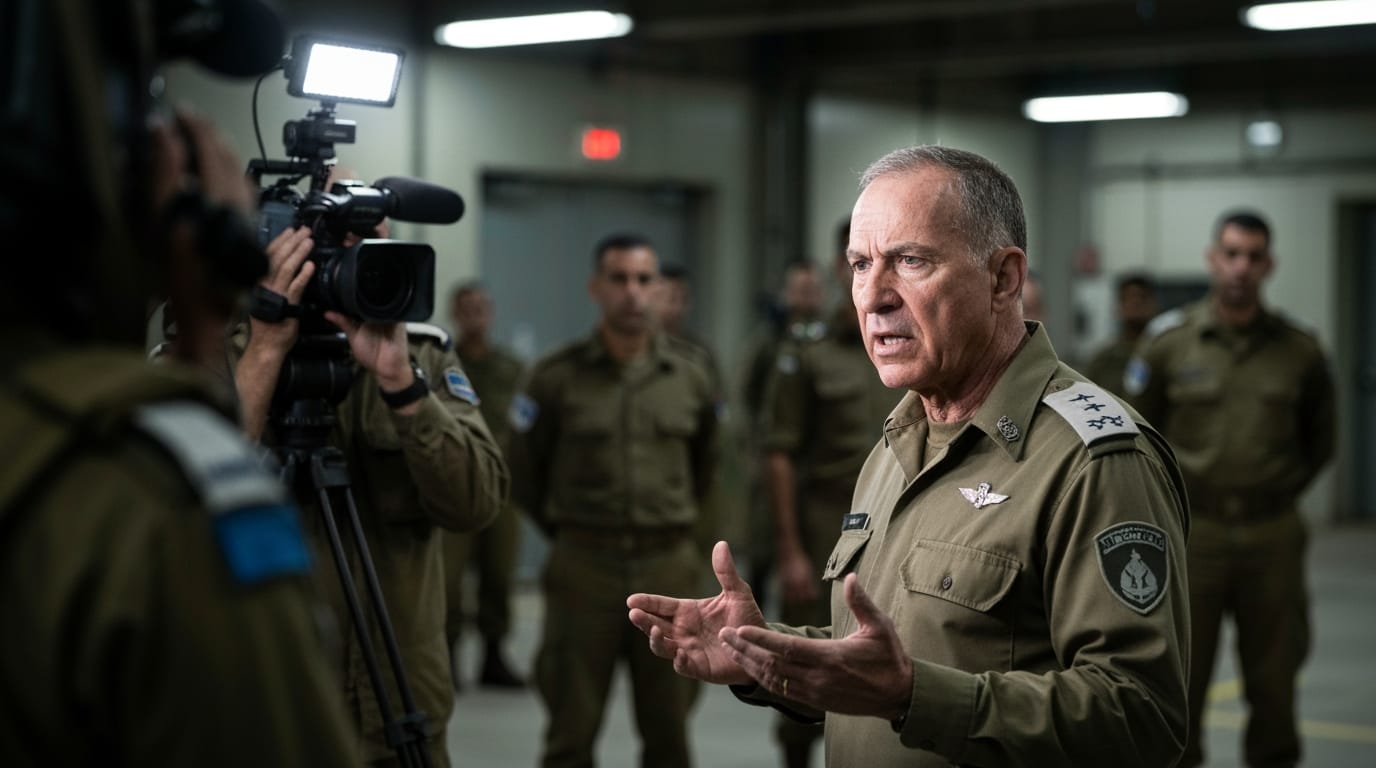
JERUSALEM – Israel has significantly increased its military budget, approving billions in additional funds, as the nation finds itself deeply entrenched in the "2026 Iran War," a conflict that began with an audacious joint U.S.-Israeli offensive in late February. The substantial financial injection underscores the protracted and costly nature of the hostilities, aimed at fortifying Israeli defenses and sustaining operational capabilities against a retaliatory Iran and its regional proxies. The move comes as the war enters its second month, marked by ongoing missile exchanges and heightened instability across the Middle East.
Emergency Allocation Fuels War Effort
In a clear signal of the exigency of the current conflict, the Israeli government recently approved a substantial increase to its 2026 defense budget. Just two weeks prior to March 24, 2026, an additional NIS 32 billion (approximately $9.5 billion) was greenlit, elevating the total defense allocation for 2026 to an estimated NIS 144 billion (approximately $45.8 billion). This was further supplemented by an emergency budget allocation of $827 million (2.6 billion shekels) for urgent military purchases, approved by cabinet ministers around March 15.
These emergency funds are earmarked for critical "security purchases" and to address immediate operational requirements. This includes the acquisition of munitions, the procurement of advanced weapons systems, and the crucial replenishment of combat stocks that have been heavily utilized in the fierce fighting. A finance ministry document highlighted the urgency, describing the $827 million as an "exceptional emergency decision intended solely to address needs arising from the conduct of the fighting." The approval of these funds, largely overseen by a joint panel of the Foreign Affairs and Defense Committee and the Finance Committee due to their sensitive nature, reflects a national pivot towards sustained military readiness in the face of an active war.
The Genesis of the "2026 Iran War"
The current hostilities, officially termed the "2026 Iran War," erupted on February 28, 2026, with surprise U.S.-Israeli airstrikes targeting Iran. These initial strikes, part of "Operation Epic Fury," specifically aimed at key Iranian leadership, including Supreme Leader Ali Khamenei, military installations, and critical missile production sites. The offensive was a culmination of years of escalating tensions over Iran's nuclear program, its burgeoning ballistic missile capabilities, and its extensive network of regional proxies. A precursor to the current full-scale war was the "Twelve-Day War" in June 2025, which saw Israel and the U.S. launch airstrikes against Iran, particularly targeting its nuclear facilities.
Iran's response to the February 28 strikes was swift and significant, unleashing a barrage of missiles and drones against Israel, U.S. military bases across the Gulf states, and civilian infrastructure in allied nations. This retaliation marked a departure from previous, more measured responses, signaling Tehran's intent for "unrestrained retaliation." The conflict has since broadened, drawing in regional actors. Hezbollah, a powerful Iranian-backed group in Lebanon, significantly escalated its attacks on Israel starting March 1, intensifying the northern front. Concurrently, the Iran-aligned Houthi movement in Yemen launched missile attacks on Israel on March 28, further widening the geographical scope of the conflict and threatening vital global shipping lanes.
Strategic Imperatives and Escalating Costs
Israel's increased military spending is directly linked to its strategic imperatives within the ongoing war. The primary goal is to degrade Iran's military infrastructure, particularly its ballistic missile production capabilities, and to deter future aggression. The nature of Iran's retaliatory attacks, often involving continuous small missile salvos rather than large-scale barrages, suggests a strategy to impose psychological pressure on Israeli civilians, possibly indicative of a degradation in Iran's ability to launch massive attacks following the US-Israeli operations.
The financial burden of this conflict is immense for all parties involved. For Israel, the war is estimated to be costing approximately $3 billion per week. Daily operational costs are reported to be between NIS 1.5 billion and NIS 1.7 billion, largely driven by intensive air operations and high munitions consumption. These figures come on the heels of an estimated $6 billion economic cost for Israel during the 2025 war. The United States, a key ally, is also incurring significant expenses, reportedly spending around $891 million per day on the conflict. This financial strain is forcing both nations to continuously re-evaluate and supplement their defense budgets, with Israeli officials suggesting that the recent increases may not be the last needed to sustain the fight. Furthermore, the Israel Defense Forces (IDF) are reportedly maximizing direct U.S. involvement, utilizing assets such as U.S. aerial refueling systems to enable extended missions and enhance strike capabilities.
Regional Fallout and Global Repercussions
The "2026 Iran War" has had profound regional and global repercussions. One of the most significant impacts has been the effective closure of the strategic Strait of Hormuz, a critical chokepoint for global oil shipments. This disruption, along with targeted strikes on energy infrastructure, has led to skyrocketing oil prices and increased shipping insurance costs, sending ripples through the global economy. The conflict has also intensified a proxy war across the region, with Iran leveraging groups like Hezbollah and the Houthis to exert pressure and expand the scope of confrontation.
The physical toll has been devastating, with more than 2,000 people dead in Iran, Lebanon, and Israel, and hundreds of thousands displaced. Civilian infrastructure, including airports and ports in the Gulf region, has been targeted, leading to widespread societal disruptions. The strategic implications extend beyond immediate military gains, raising critical questions about long-term regional stability and global energy security. The escalating cycle of strikes and counterstrikes has deepened the conflict's longer-term impacts, pushing the Middle East into an even more volatile and uncertain era.
As the "2026 Iran War" continues to unfold, Israel's approval of substantial new military funds underscores a commitment to sustained operations in a conflict marked by high costs, expanding fronts, and profound geopolitical consequences. The coming months will likely test the endurance and strategic depth of all involved parties, with the trajectory of regional stability hanging precariously in the balance.


