Israel Conducts Strikes 'In the Area of Tehran' Amid Escalating Conflict
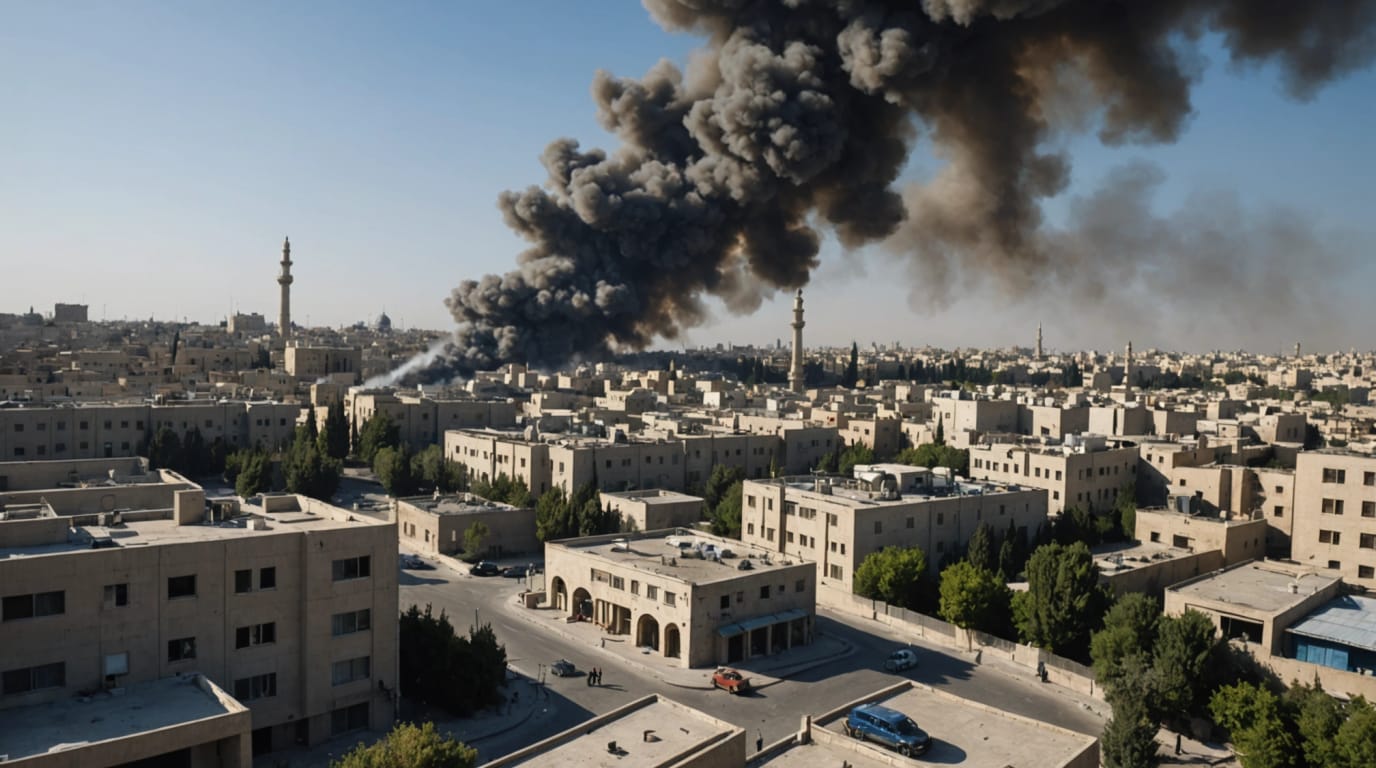
Tensions in the Middle East have reached a boiling point as Israel confirms conducting strikes "in the area of Tehran," marking a significant escalation in the ongoing conflict with Iran. The strikes, which occurred early Wednesday, follow days of intense exchanges between the two nations, raising fears of a wider regional war.
Background of Rising Tensions
The current conflict is rooted in a long-standing proxy war between Israel and Iran, which has evolved into direct confrontations in recent years. The animosity between the two countries dates back to the Iranian Revolution in 1979, after which Iran adopted a staunchly anti-Israel stance. Over the years, Israel has sought to curb Iran's nuclear program and counter its influence in the region, while Iran has supported various militant groups hostile to Israel.
Escalation began last year, with a series of direct confrontations. In April 2024, Israel bombed an Iranian consulate complex in Damascus, Syria, resulting in the deaths of several senior Iranian officials. Iran retaliated by seizing an Israeli-linked ship and launching missile strikes inside Israel. Israel responded with further strikes in Iran and Syria.
Recent Events
The latest round of violence began last week when Israel launched what it called preemptive air strikes targeting Iranian nuclear facilities, military leaders, and missile production sites. Israel stated the operation aimed to prevent Iran from developing nuclear weapons, a goal it views as an existential threat.
Iran responded with a barrage of missile strikes against Israel, targeting cities like Tel Aviv and Haifa. The attacks resulted in casualties and damage, further fueling the conflict.
Strikes Near Tehran
The recent Israeli strikes "in the area of Tehran" represent a dangerous intensification of the conflict. While details about the specific targets remain limited, reports indicate that explosions have rocked areas across Iran, including the capital and its surrounding provinces.
Israeli military officials have claimed to have struck over 80 targets in Tehran alone, focusing on missile production and nuclear infrastructure. The strikes have reportedly crippled Iran's air defenses, granting Israel aerial supremacy over the capital.
One strike reportedly targeted Iran's state television broadcaster, a move seen as a demonstration of Israel's reach and dominance. There are also reports that an Israeli strike in Tehran assassinated the Iranian army's war chief of staff, Ali Shadmani.
Casualties and Disruptions
The conflict has already resulted in significant casualties on both sides. Iranian officials have reported hundreds of deaths and thousands of injuries, with civilians bearing the brunt of the violence. Israel has also reported casualties and damage from Iranian missile strikes.
The strikes have disrupted daily life in Tehran, with reports of panic and confusion as residents attempt to evacuate the city. Roads out of the capital have been packed with traffic, and many people are struggling to find essential supplies.
The International Atomic Energy Agency (IAEA) has expressed concern about the safety and security of nuclear facilities in Iran, warning that any military action that jeopardizes these facilities could have grave consequences. The IAEA has also reported evidence of "direct impacts" on the "underground enrichment halls" in the Natanz facility.
International Reaction
The escalating conflict between Israel and Iran has drawn widespread international condemnation and calls for restraint. United Nations Secretary-General Antonio Guterres has urged both sides to de-escalate and avoid a "deeper conflict."
Several countries, including Pakistan, Iraq, and Saudi Arabia, have condemned Israel's attacks on Iran. Some nations have expressed concern about the potential for a wider regional war and the impact on global security.
The United States has stated that it is not directly involved in the conflict but has affirmed its commitment to defending Israel from Iranian aggression. President Trump has urged Iran to come to the negotiating table and reach a nuclear deal that satisfies U.S. and Israeli concerns.
Implications and Future Outlook
The current conflict between Israel and Iran has far-reaching implications for the Middle East and the world. The escalation raises the risk of a broader regional war, potentially drawing in other countries and militant groups.
The conflict could also disrupt global oil supplies and further destabilize an already volatile region. The long-term consequences of the conflict remain uncertain, but it is clear that the relationship between Israel and Iran has reached a dangerous new low.
As the conflict enters its sixth day, the international community is grappling with how to de-escalate the situation and prevent further bloodshed. The path forward remains unclear, but the need for diplomacy and restraint is more urgent than ever.


