Israel Delivers Stark Warning to Turkey Over Escalating Syrian Engagements
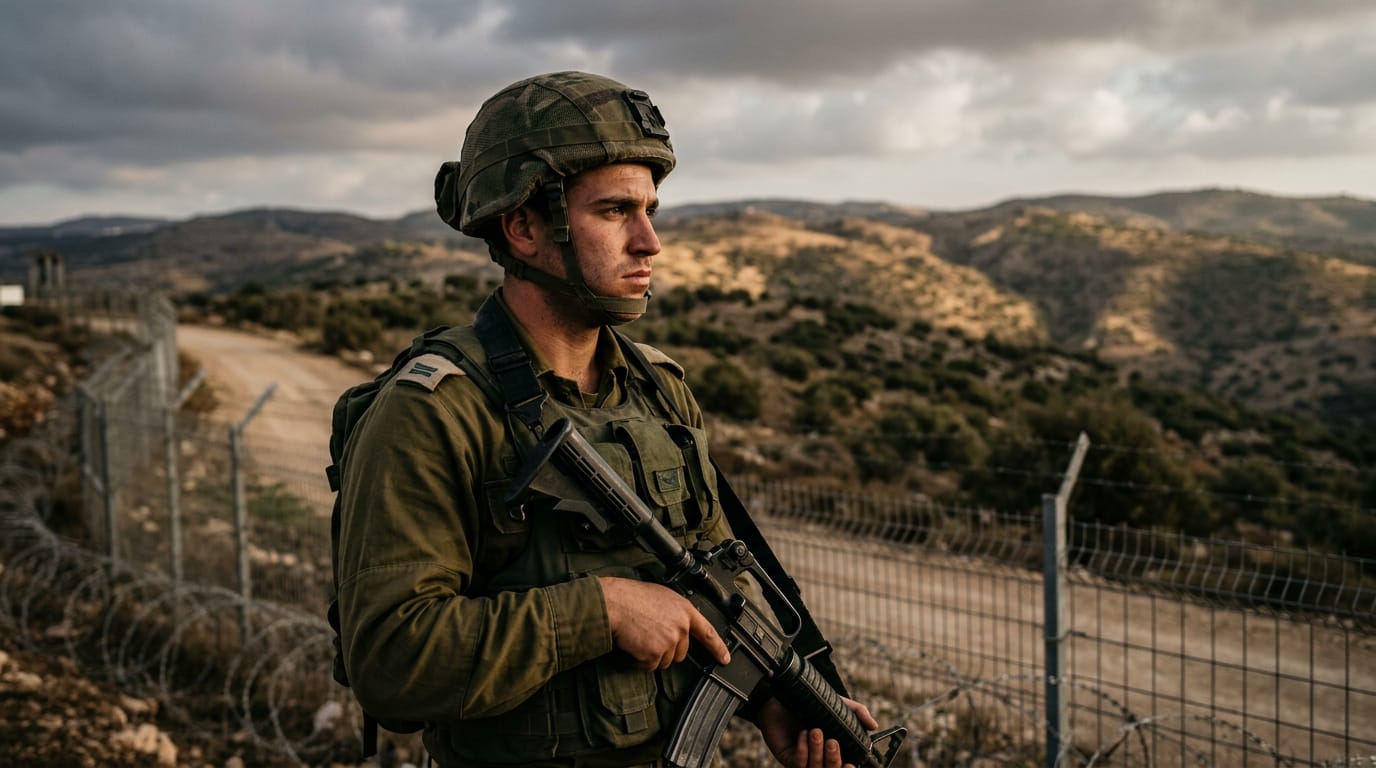
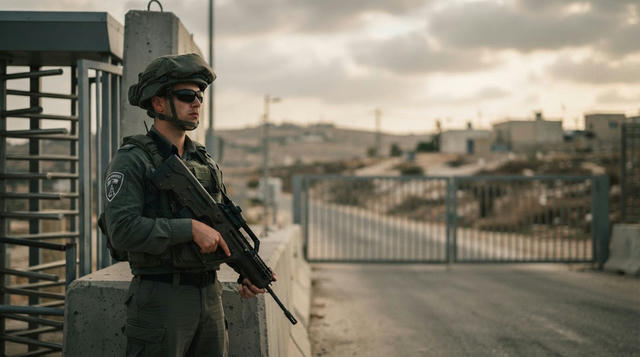
JERUSALEM – Tensions in the volatile Middle East flared this week as Israel issued a stern warning to Turkey, cautioning against what it termed "dangerous adventures" in Syria. The admonition comes in the wake of an Israeli airstrike on a Syrian airbase, an action that Israel claims was a preemptive measure against a potential Turkish military deployment. The incident underscores the rapidly shifting dynamics in post-Assad Syria and highlights the growing friction between two key regional powers, both nominal U.S. allies, whose strategic interests are increasingly clashing within the war-torn nation.
The recent exchange of warnings between Jerusalem and Ankara signals a critical escalation in the competition for influence in Syria, transforming the country into a potential flashpoint between the two nations. With Syria's political landscape dramatically altered since the fall of the Assad regime in 2024, the presence and objectives of external actors are undergoing significant recalculation, paving the way for new alignments and heightened risks.
Israeli Airstrike Triggers Diplomatic Spat
The immediate catalyst for the current diplomatic confrontation was an Israeli airstrike conducted earlier this week on the Abu al-Duhur airbase, located in northwestern Syria, approximately 70 kilometers from the Turkish border. Israel's Defense Minister, Israel Katz, publicly accused Turkish President Recep Tayyip Erdogan of drawing Turkey into perilous endeavors in Syria, asserting that "Israel will not allow any entity to threaten its security." Prime Minister Benjamin Netanyahu echoed these sentiments, stating unequivocally that Israel would not tolerate a southward advancement of Turkish military entrenchment, which he viewed as a direct threat to Israeli security. Netanyahu further indicated that Israel had conveyed a clear message to Turkey, specifically against establishing a base in Syria.
Israeli officials articulated that the strike was carried out because Syria was reportedly preparing to host Turkish forces at the Abu al-Duhur facility, an arrangement Israel considered a security threat. Netanyahu revealed that Israel had previously warned Syria against allowing a Turkish presence at the base. However, both Ankara and Damascus swiftly rejected Israel's narrative. The Turkish Ministry of Defense denied any military presence at the airbase either before or during the Israeli attack, labeling the action "unacceptable" and reckless. Syrian officials corroborated this denial, clarifying that a Turkish technical team had visited the base solely for the purpose of repairing its runway and control tower, not for military deployment. Syria also dismissed Israel's justification, accusing it of violating Syrian sovereignty and asserting that such actions would not lead to long-term security.
Turkey's Deepening Engagement in Syria
Turkey's involvement in Syria is multi-faceted and deeply rooted, driven by geographical proximity, national security concerns, and regional ambitions. Sharing a 900-kilometer border with Syria, the conflict has been a domestic as well as a foreign policy issue for Ankara. Since 2016, Turkey has conducted multiple military operations in northern Syria, primarily aimed at combating Kurdish groups, such as the YPG/PKK, which it designates as terrorist organizations and views as an existential threat to its national security. These operations have resulted in the occupation of significant areas of northern Syria by the Turkish Armed Forces and allied Syrian militias.
Following the ousting of President Bashar al-Assad in 2024, Turkey has significantly deepened its footprint, emerging as a primary patron of the new Syrian government led by Ahmed al-Sharaa. Ankara's objectives include strengthening the new Syrian administration, assisting in the rebuilding of its military capabilities, and consolidating its authority across the nation. Turkey also hosts millions of Syrian refugees, a humanitarian challenge that profoundly impacts its domestic social and economic landscape. Analysts suggest that Turkey aims to use its influence in Syria to project regional power, with some describing its current role as a return to an "Ottoman era" of dominance over the Arab world.
Israel's Strategic Security Calculus
For Israel, the developments in Syria present a complex and evolving security challenge. For years, Jerusalem's primary concern revolved around Iranian entrenchment and the transfer of advanced weaponry to Hezbollah. While those concerns persist, the fall of the Assad regime and the rise of a new, Turkish-backed government have introduced new variables into Israel's strategic calculations. Israel now views Syria's new rulers with deep suspicion, partly due to their perceived "Islamist militant background" and their close alignment with Turkey's ruling AKP party. This has led to an emerging perception in Jerusalem of a potential "Sunni threat" that could replace the previously perceived Iranian-led axis.
Israel's concerns extend beyond the immediate deployment at Abu al-Duhur. It views any significant Turkish military presence near its borders as a threat, particularly if Ankara were to rehabilitate strategic sites like airbases, which could enhance Turkish military capabilities within striking distance of Israel. Since 2024, Israel has already seized territory in southwestern Syria and systematically degraded Syrian military assets, demonstrating its resolve to enforce its security red lines. The prospect of a major NATO power like Turkey, possessing the alliance's second-largest military, increasing its operational capacity in Syria introduces a powerful new actor into an already crowded and volatile arena, further complicating Israel's security environment.
Regional Implications and International Mediation
The current escalation puts the United States in a delicate position, as both Israel and Turkey are crucial regional allies. Washington has acknowledged the rising tensions and is reportedly engaged in efforts to mediate and contain the friction. The U.S. Special Envoy for Syria, Tom Barrack, reportedly condemned the Israeli airstrike, underscoring the complexities of managing competing interests among allies. The U.S. is attempting to establish a deconfliction mechanism involving Israel, Turkey, and Syria, recognizing that even a limited incident could trigger far-reaching consequences.
The growing competition between Israel and Turkey in Syria represents a significant shift in regional power dynamics. While both countries have historically maintained a degree of "dual security space" in Syria—Israel focused on aerial supremacy in the south and Turkey on influence in the north—their objectives are now increasingly divergent. Prior to the current friction, Syria and Israel had reportedly made substantial progress on a U.S.-mediated security agreement, but Israel later withdrew from its commitments. Despite this, Syrian officials maintain an openness to future negotiations, emphasizing that political and security solutions are the most sustainable path to stability.
The latest warnings from Israel and the defiant posture from Turkey highlight the precarious state of regional stability. The Syrian conflict, now in a new phase following Assad's fall, continues to reshape alliances and generate fresh flashpoints. The delicate balance of power, influenced by myriad internal and external actors, means that any miscalculation or aggressive maneuver could ignite a broader confrontation, with potentially severe repercussions across the Middle East. The international community, particularly the United States, faces a critical challenge in preventing these escalating tensions between two strategic partners from devolving into a wider conflict.