Israel Escalates Gaza City Operation, Expanding Buffer Zone
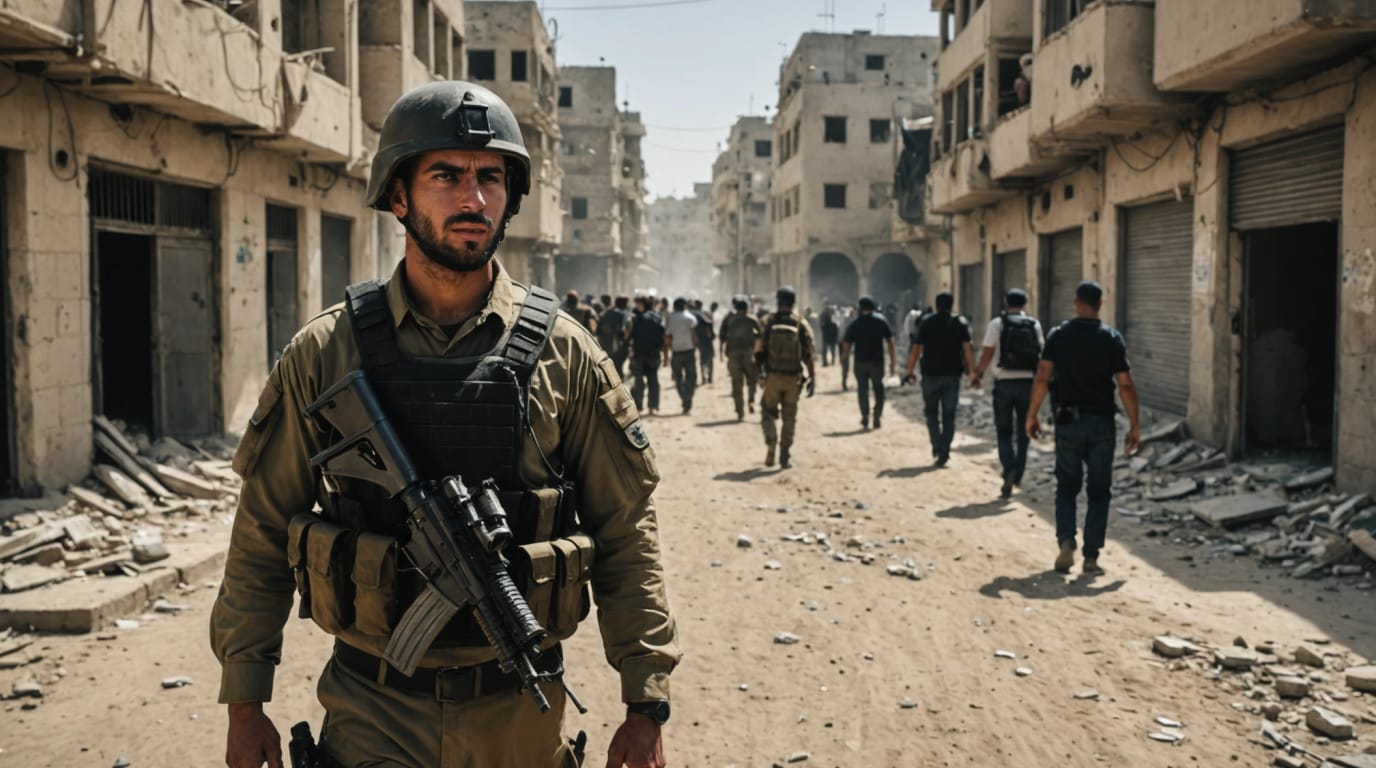
Israeli forces have expanded their military operations in Gaza City, pushing further into the eastern Shejaia neighborhood and other areas, the military said Friday. The move comes days after announcing plans to seize areas in the south, consolidating around the ruins of Rafah. The Israel Defense Forces (IDF) stated the expanded operation aims to broaden a "security zone" along the Gaza border, while Palestinians are reporting increased casualties and displacement.
Expansion into Shejaia
Early Friday, the IDF announced troops were moving into Shejaia, a suburb on the edge of Gaza City. According to the military, the operation is intended to expand Israel's buffer zone along the border. The IDF reported that troops have killed several militants and destroyed infrastructure, including what they described as a Hamas command center.
The military issued evacuation warnings for Shejaia on Thursday, and civilians are now being allowed to leave the area via organized routes, the IDF said. Hundreds of residents have been seen leaving, some on foot carrying their belongings, while others are using vans, donkey carts, and bikes.
Palestinian Accounts of Casualties and Displacement
Palestinian sources report a grim situation, with significant casualties resulting from the expanded military operations. According to Gaza's Hamas-run health ministry, Israeli airstrikes on Thursday killed more than 100 people, including at least 27 sheltering in a school. The ministry also stated that at least 30 people have been killed since dawn on Friday in Shujaiya, Khan Younis, and Rafah.
Eyewitnesses told the Turkish Anadolu agency that army vehicles had entered Shujaiya, targeting the area with artillery shelling and airstrikes. The Israeli army also reportedly bombed the Ghabayen water desalination plant in the al-Tuffah neighborhood east of Gaza City, according to Anadolu.
The United Nations Office for the Coordination of Humanitarian Affairs (OCHA) released a map on Friday indicating that 65 percent of Gaza's territory is now either designated as Israeli military "no go" zones or subject to forced displacement orders.
Israel's Stated Objectives
The Israeli military has stated that its operations are aimed at dismantling Hamas infrastructure and creating a security zone to prevent future attacks. The IDF maintains that it is taking measures to minimize civilian casualties and is enabling civilians to evacuate from conflict zones.
The IDF said the school building struck on Thursday had been used as a command center by Hamas militants. Hamas denies that it operates among civilians.
Concerns Over Long-Term Goals
Despite Israel's stated objectives, concerns are growing among Palestinians and international observers about the long-term implications of the expanded military operations. Some Gaza residents believe that Israel's goal is to permanently depopulate swathes of the land. Palestinians claim Israel's overall aim is to permanently displace Gaza's population.
Israel has not fully explained its long-term aim for the areas it is seizing.
International Response
The international community has expressed increasing concern over the escalating conflict and the humanitarian situation in Gaza. Calls for a ceasefire and increased humanitarian aid have grown louder in recent weeks.
Germany has called for urgent humanitarian aid to Gaza, while Pakistan has condemned Israel's new Gaza security corridors. The International Criminal Court issued arrest warrants last November for Israeli Prime Minister Benjamin Netanyahu and his former Defense Minister Yoav Gallant, for war crimes and crimes against humanity in Gaza. Israel also faces a genocide case at the International Court of Justice for its war on the enclave.
Humanitarian Crisis Deepens
The expansion of military operations has exacerbated the already dire humanitarian crisis in Gaza. Hundreds of thousands of Palestinians have been displaced, and access to food, water, and medical care is severely limited.
The closure of border crossings and restrictions on the entry of humanitarian aid have further compounded the crisis. International organizations have warned of the risk of widespread famine and disease if the situation is not addressed urgently.
Conclusion
The expansion of Israeli military operations in Gaza City marks a significant escalation in the ongoing conflict. While Israel asserts its actions are necessary for security, Palestinians report increasing casualties and displacement, raising concerns about the long-term implications of the operation. The international community faces mounting pressure to address the humanitarian crisis and find a path towards a lasting resolution to the conflict. The situation remains fluid, with the potential for further escalation and a deepening of the humanitarian crisis in the days and weeks ahead.


