Israel Launches Fresh Strikes in Southern Lebanon Amid Accusations of 'Blatant' Hezbollah Ceasefire Violation
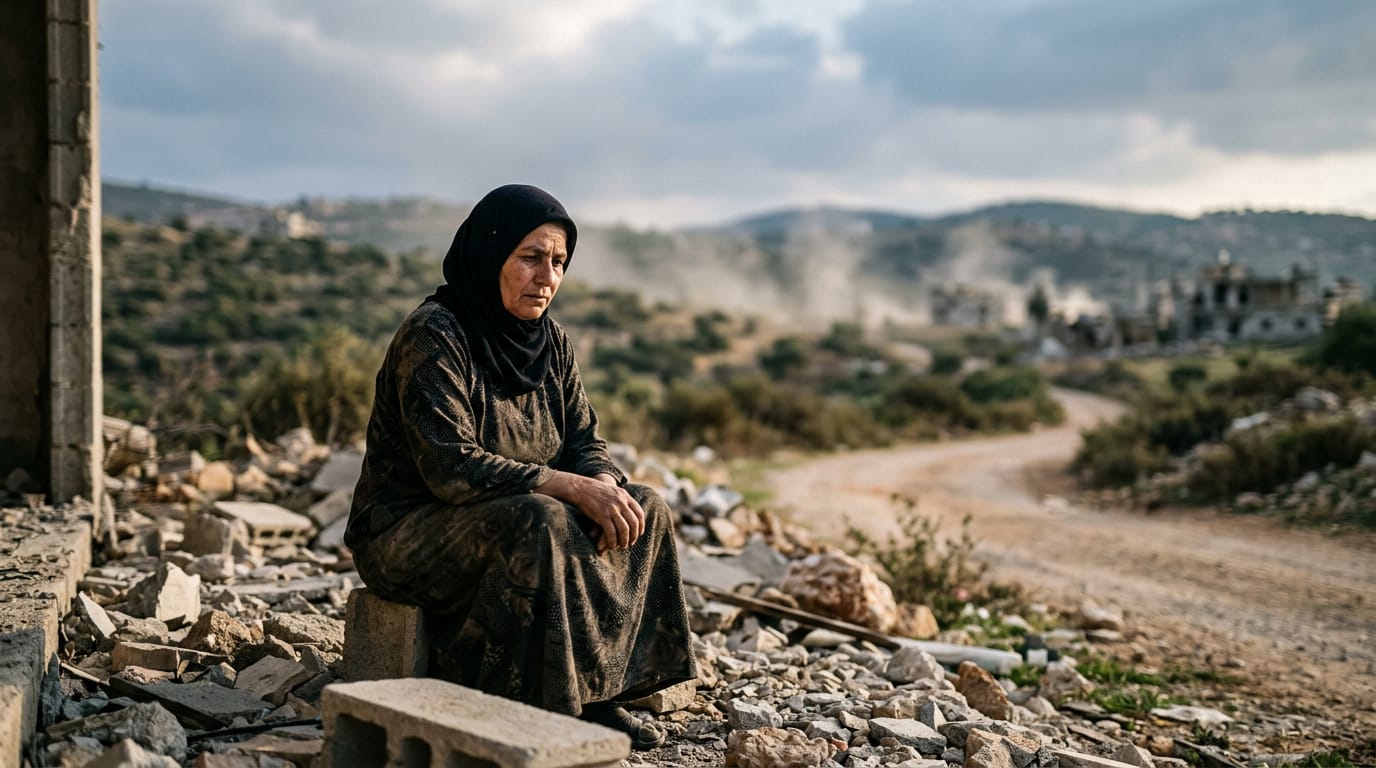
Southern Lebanon has once again become a flashpoint in the volatile Middle East, as Israel launched a series of "precise strikes" on Wednesday, August 5, 2026, targeting areas it claims are linked to the Iran-backed Hezbollah militant group. The Israeli military asserts these actions are a direct response to a "blatant violation" of a standing ceasefire by Hezbollah, a claim that escalates tensions in an already deeply fractured region. The latest escalation has reportedly resulted in casualties and further displacement, drawing international condemnation and urgent calls for de-escalation.
Renewed Hostilities Puncture Fragile Peace
The Israeli military's operations commenced early Wednesday, following an urgent evacuation warning issued to residents of the southern Lebanese village of Mansouri, urging them to move north for their safety. Sources indicate that Lebanese civilians, under the protection of the Lebanese army, had reportedly entered Mansouri and established a roadblock, actions that Israel deemed a violation of existing agreements. Subsequent strikes reportedly targeted buildings in Mansouri, as well as other locations in Qanarit and Kfour. Initial reports indicate at least nine deaths across southern Lebanese villages as a result of these strikes, with two fatalities previously reported in the Sidon and Tyre districts. One particular strike allegedly hit the roof of a prayer area within a cemetery in the town of Tibnin, causing one death and injuring eleven others. Hezbollah, in turn, has characterized its actions as a defensive measure against Israeli transgressions, maintaining its commitment to the broader truce while reserving the right to respond to what it perceives as Israeli occupation.
The Shadow of Resolution 1701 and a Year-Old Truce
This renewed bout of violence comes despite a fragile year-old ceasefire agreement, established in 2024 to halt a 13-month conflict between Israel and Hezbollah. The ongoing hostilities underscore the persistent failure to fully implement United Nations Security Council Resolution 1701, a landmark resolution adopted in 2006. That resolution aimed to solidify a permanent cessation of hostilities after the 34-day Lebanon War, calling for the withdrawal of Israeli forces, the deployment of Lebanese troops and UN peacekeepers (UNIFIL) to southern Lebanon, and, crucially, the disarmament of Hezbollah and a prohibition on any armed forces other than UNIFIL and the Lebanese army operating south of the Litani River.
Israel has consistently accused Hezbollah of flouting Resolution 1701 by rearming and maintaining a significant military presence in the buffer zone south of the Litani River. The Israel Defense Forces (IDF) have frequently stated that UNIFIL has been largely ineffective in enforcing the resolution's mandate. This long-standing contention over Resolution 1701 forms the bedrock of the current Israeli justification for its strikes, viewing Hezbollah's continued activities in southern Lebanon as a direct and unacceptable challenge to regional stability and Israeli security.
Hezbollah's Entrenched Power and Arsenal
Hezbollah's deep entrenchment in Lebanese society and its formidable military capabilities are central to understanding the dynamics of this conflict. Described as the world's most powerful non-state actor, Hezbollah operates with substantial backing from Iran, a relationship that provides it with advanced weaponry and training. The group is estimated to command a force of 20,000 to 25,000 full-time fighters, supplemented by tens of thousands in reserves, including the highly trained elite Radwan Unit, which has experience from the Syrian civil war and is tasked with potential incursions into Israeli territory.
Hezbollah's arsenal is a significant concern for Israel, reportedly comprising over 150,000 rockets and missiles. This includes long-range and precision-guided missiles capable of striking deep within Israeli territory, alongside anti-ship missiles, anti-tank missiles, and Unmanned Aerial Vehicles (UAVs), largely supplied by Iran. This extensive military infrastructure, combined with Hezbollah's political influence within Lebanon, presents a complex challenge for any efforts to de-escalate or enforce lasting peace agreements. The group's stated objective to resist Israeli occupation further fuels the cycle of confrontation.
A Deepening Humanitarian Crisis and Global Outcry
The recent Israeli strikes exacerbate an already dire humanitarian situation in Lebanon, a country grappling with an ongoing war against Hezbollah since March 2, 2026. This broader conflict has seen Israeli forces invade parts of Lebanon, leading to a profound humanitarian crisis. Since March 2, Israeli attacks have claimed the lives of over 1,497 people and injured more than 4,639, according to Lebanon's Ministry of Public Health. The relentless hostilities have forced over 1.2 million people, approximately one-fifth of Lebanon's population, to flee their homes, creating one of the world's most rapidly growing displacement crises. Critical infrastructure, including bridges vital for humanitarian aid access, has been damaged, further imperiling civilian populations. Reports indicate over 23,000 homes in southern Lebanese regions have been destroyed or damaged.
The international community has reacted with significant alarm and condemnation. Middle Eastern and European nations, alongside the United Nations, have called for an immediate cessation of hostilities and a diplomatic resolution to the conflict. The UN has voiced deep concern over the escalating military activities, stressing that there is "no alternative to a diplomatic solution" and reiterating that civilians and civilian infrastructure must be protected. Some UN officials have even suggested that the Israeli strikes could constitute war crimes. There have been strong appeals for Lebanon to be formally included in any ceasefire frameworks to ensure a comprehensive and lasting peace in the region.
A Precarious Future for Lebanon
The latest Israeli strikes in southern Lebanon, in response to alleged ceasefire violations by Hezbollah, highlight the severe fragility of peace in the region. With a powerful non-state actor like Hezbollah deeply entrenched, and Israel determined to counter perceived threats to its security, the cycle of violence remains unbroken. The human cost of this protracted conflict continues to mount, with widespread displacement and significant casualties exacerbating Lebanon's humanitarian emergency. As international calls for de-escalation and diplomatic solutions intensify, the path toward a stable and secure future for southern Lebanon remains fraught with peril, with the specter of wider regional escalation a constant and alarming possibility.


