Israel Moves to Suspend Major Aid Groups in Gaza, Sparking Humanitarian Crisis Fears
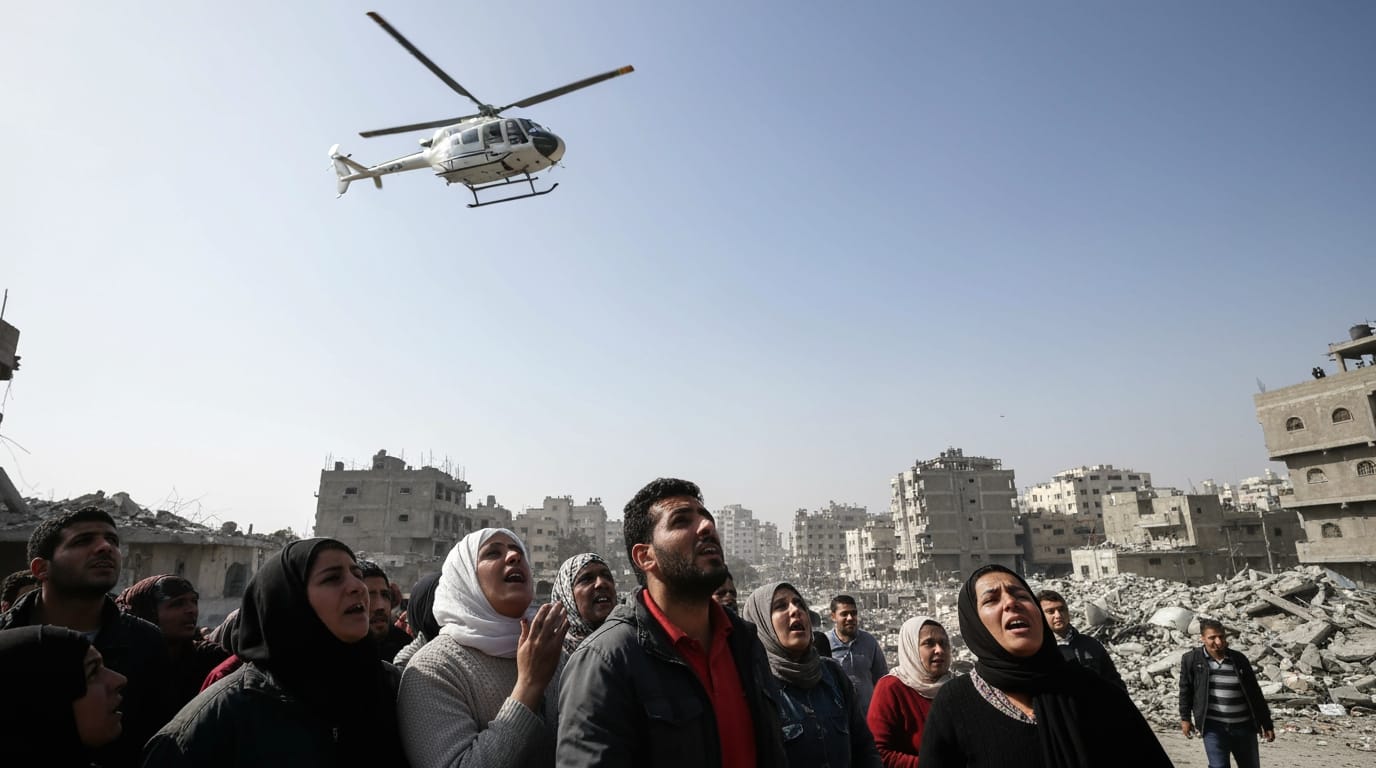
JERUSALEM – Israel has announced its decision to suspend operations for more than two dozen major humanitarian organizations in the Gaza Strip, effective January 1, 2026, citing non-compliance with new registration rules. This move has triggered widespread alarm among international aid agencies and governments, who warn of potentially catastrophic consequences for Gaza’s already beleaguered civilian population, which is heavily reliant on external assistance amidst an ongoing humanitarian crisis.
Israel's Rationale: Security Concerns and New Regulations
The Israeli Ministry of Diaspora Affairs confirmed the suspensions, stating that the affected organizations failed to adhere to new registration requirements initially announced earlier this year. These stringent rules mandate that aid groups provide detailed lists of their workers, alongside comprehensive information regarding funding and operational plans to continue their work in Gaza.
Israel asserts that these regulations are crucial for national security, aiming to prevent Hamas and other militant factions from infiltrating humanitarian organizations and diverting aid supplies for their own purposes. Diaspora Affairs Minister Amichai Chikli articulated this stance, stating, "The message is clear: humanitarian assistance is welcome — the exploitation of humanitarian frameworks for terrorism is not." The new framework also includes ideological stipulations, disqualifying organizations that have advocated for boycotts against Israel, denied the October 7, 2023, attacks, or expressed support for international legal actions against Israeli personnel or leaders.
Among the groups explicitly named, Doctors Without Borders (Médecins Sans Frontières or MSF) was singled out by Israel, which claimed the organization failed to address accusations regarding some of its staff members having alleged affiliations with Hamas or Islamic Jihad. This echoes earlier accusations made by Israel against MSF staff in 2024. Israel has also leveled similar accusations against the United Nations Relief and Works Agency (UNRWA) in the past, leading to restrictions on its operations.
Aid Groups Push Back: Protecting Staff and Principles
The affected humanitarian organizations have vehemently rejected Israel's claims and condemned the suspensions. They characterize the new rules as arbitrary and an impediment to their ability to deliver vital assistance effectively and impartially. A primary concern raised by the aid community is the demand for staff lists, particularly for Palestinian employees. Organizations argue that handing over such sensitive information to a party to the conflict could jeopardize the safety of their workers, especially given that hundreds of aid workers have been killed in Gaza during the recent conflict. MSF, for instance, has lost at least 15 workers.
Aid groups also contend that submitting to vetting by a belligerent party compromises their fundamental humanitarian principles of neutrality and independence. MSF explicitly stated, "MSF would never knowingly employ people engaging in military activity," and denied the accusations regarding its staff. Other organizations, including the Norwegian Refugee Council (NRC), maintain that there has been no credible evidence to support Israel's allegations of ties between humanitarian groups and armed factions. Shaina Low, a spokesperson for the NRC, described the move as "part of a campaign to delegitimize legitimate humanitarian actors who have been operating in the occupied Palestinian territory for decades."
The decision not to renew licenses means these organizations will be unable to send international staff or aid into Gaza, and their offices in Israel and East Jerusalem will be forced to close.
Gaza's Dire Humanitarian Outlook Worsens
The impending suspensions are projected to severely exacerbate an already dire humanitarian situation in the Gaza Strip. The region has been grappling with immense challenges, including widespread destruction, displacement, and a severe shortage of essential resources, even after a fragile ceasefire that was brokered months ago. Recent storms and heavy flooding have further compounded the crisis, damaging makeshift shelters and increasing the vulnerability of displaced populations.
The affected organizations provide a vast array of critical services, spanning healthcare, food distribution, water, sanitation, education, and mental health support. Doctors Without Borders alone plays a crucial role in Gaza's healthcare infrastructure, supporting approximately 20% of hospital beds and assisting in a third of all births. Groups like CARE, Mercy Corps, International Rescue Committee, World Vision International, Oxfam, ActionAid, and Action Against Hunger are also among those facing suspension, leaving significant gaps in humanitarian provision. Refugees International warned that Israel's action "will cost the lives of Palestinians" and "deepen exposure, illness, and preventable deaths."
International Condemnation and Diplomatic Pressure
The Israeli decision has drawn sharp criticism from the international community. The Humanitarian Country Team, a collective body coordinating UN agencies and NGOs in Gaza and the West Bank, has urged Israeli authorities to reconsider, emphasizing the essential role of international NGOs in providing life-saving services. Several nations, including Canada, have issued a joint statement expressing concern over Israel's "restrictive new requirements."
While Israel's Coordinator of Government Activities in the Territories (COGAT) has downplayed the potential impact, stating that the suspended groups contributed less than one percent of the total aid volume and that overall aid would not be affected, aid organizations dispute this assessment. They highlight that much of the aid Israel has allowed to enter comprises commercial goods, which the vast majority of impoverished Gazans cannot afford. Humanitarian organizations like Oxfam and Refugees International have additionally accused Israel of violating the spirit of the ceasefire agreement, which committed to restoring meaningful humanitarian assistance, and violating international law by using aid as a "bargaining chip." The United States, through its State Department, has reportedly engaged in discussions with Israeli authorities, the UN, and private aid groups to address the humanitarian needs in Gaza.
A Critical Juncture for Gaza's Future
The looming suspensions place Gaza at a critical juncture, as its population faces intensified hardship with diminishing international support. The Israeli government's insistence on new security-driven registration rules clashes directly with humanitarian organizations' steadfast commitment to impartiality and the safety of their staff. As January 1, 2026, approaches, the international community watches closely to see how this standoff will resolve and what its ultimate impact will be on the more than two million Palestinians in Gaza who depend on these aid services for their survival. The long-term implications for humanitarian operations in conflict zones, and the delicate balance between security concerns and the imperative of aid delivery, remain significant points of contention.