Israel Resumes Strikes Across Gaza as Hostage Negotiations Fail
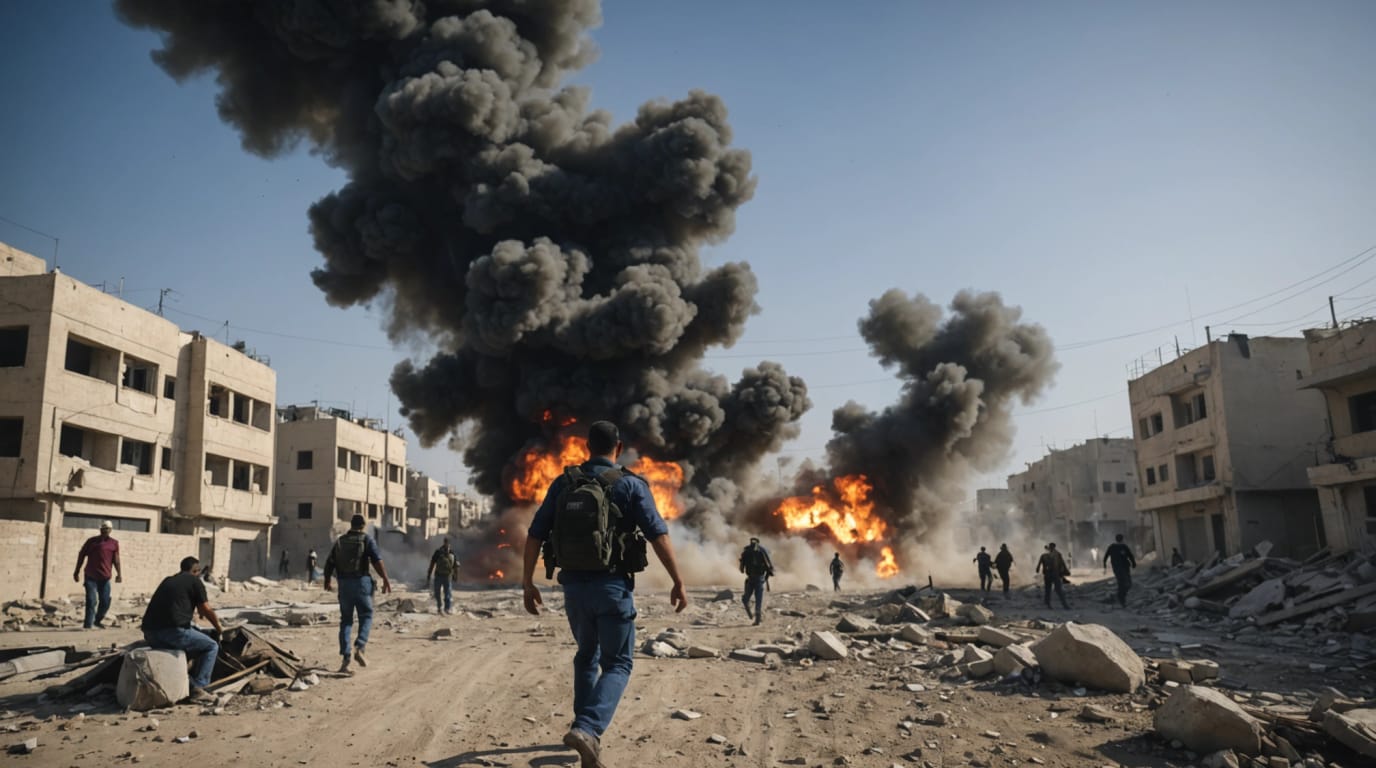
GAZA CITY – Airstrikes rocked the Gaza Strip early Monday as Israel resumed military operations following a breakdown in ceasefire negotiations with Hamas. The Israel Defense Forces (IDF) confirmed the strikes, stating they were targeting Hamas infrastructure in response to the group's refusal to release hostages. The renewed conflict dashes hopes for an extended period of calm after weeks of a fragile truce.
Ceasefire Collapses
The ceasefire, which began on January 19, faltered after repeated attempts to broker a deal for the release of remaining hostages held by Hamas. Israeli officials stated that Hamas rejected all proposals presented by U.S. envoy Steve Witkoff and other mediators. Hamas has reportedly conditioned the release of hostages on demands Israel deems unacceptable, including the release of Palestinian prisoners and a permanent end to the blockade of Gaza.
"This decision comes after Hamas repeatedly refused to release our hostages and rejected all proposals," stated a letter from the office of Defense Minister Israel Katz. The collapse of negotiations has led to a swift return to military action, with both sides trading blame for the failure to reach an agreement.
"Extensive Strikes" Target Hamas
The IDF and Shin Bet, Israel's internal security service, issued a joint statement confirming they are conducting "extensive strikes on terror targets belonging to the Hamas terrorist organization throughout the Gaza Strip." Witnesses reported heavy explosions and plumes of smoke rising over Gaza City, Khan Younis, and Rafah. Gaza's civil defense agency reported that at least 20 people, including five children, have been killed and approximately 70 others wounded in the strikes.
The strikes are the most significant since the beginning of the ceasefire in January, signaling a potential escalation of the conflict. The IDF maintains that the strikes are aimed at dismantling Hamas's military capabilities and pressuring the group to release the remaining hostages.
International Response
The renewed violence has drawn condemnation from international organizations and governments. The United Nations has called for an immediate cessation of hostilities and urged both sides to return to the negotiating table. Concerns are mounting over the humanitarian situation in Gaza, where the population is already facing severe shortages of food, water, and medical supplies.
Several countries have issued statements expressing concern over the resumption of violence and calling for restraint. The United States has reiterated its support for Israel's right to defend itself but has also urged all parties to take steps to avoid civilian casualties.
Humanitarian Crisis Worsens
The resumption of Israeli strikes exacerbates the already dire humanitarian crisis in Gaza. The ongoing conflict has displaced hundreds of thousands of people, and the healthcare system is on the brink of collapse. International aid organizations are struggling to provide assistance due to the security situation and restrictions on access to the territory.
The blockade of Gaza, which has been in place for years, has severely limited the flow of essential goods and services. The renewed fighting is expected to further disrupt aid deliveries and worsen the living conditions for the civilian population.
Uncertain Future
The breakdown of the ceasefire and the resumption of Israeli strikes have plunged the region into renewed uncertainty. With both sides adopting hardline positions, the prospects for a peaceful resolution appear dim. The potential for further escalation remains high, raising fears of a wider conflict.
The immediate priority is to de-escalate the violence and ensure the protection of civilians. However, a lasting solution to the Israeli-Palestinian conflict will require addressing the underlying issues that continue to fuel the cycle of violence. The path forward remains fraught with challenges, and the future of Gaza hangs in the balance.


