Israel Strikes Gaza Amid Stalled Truce Negotiations, Raising Fears of Escalation
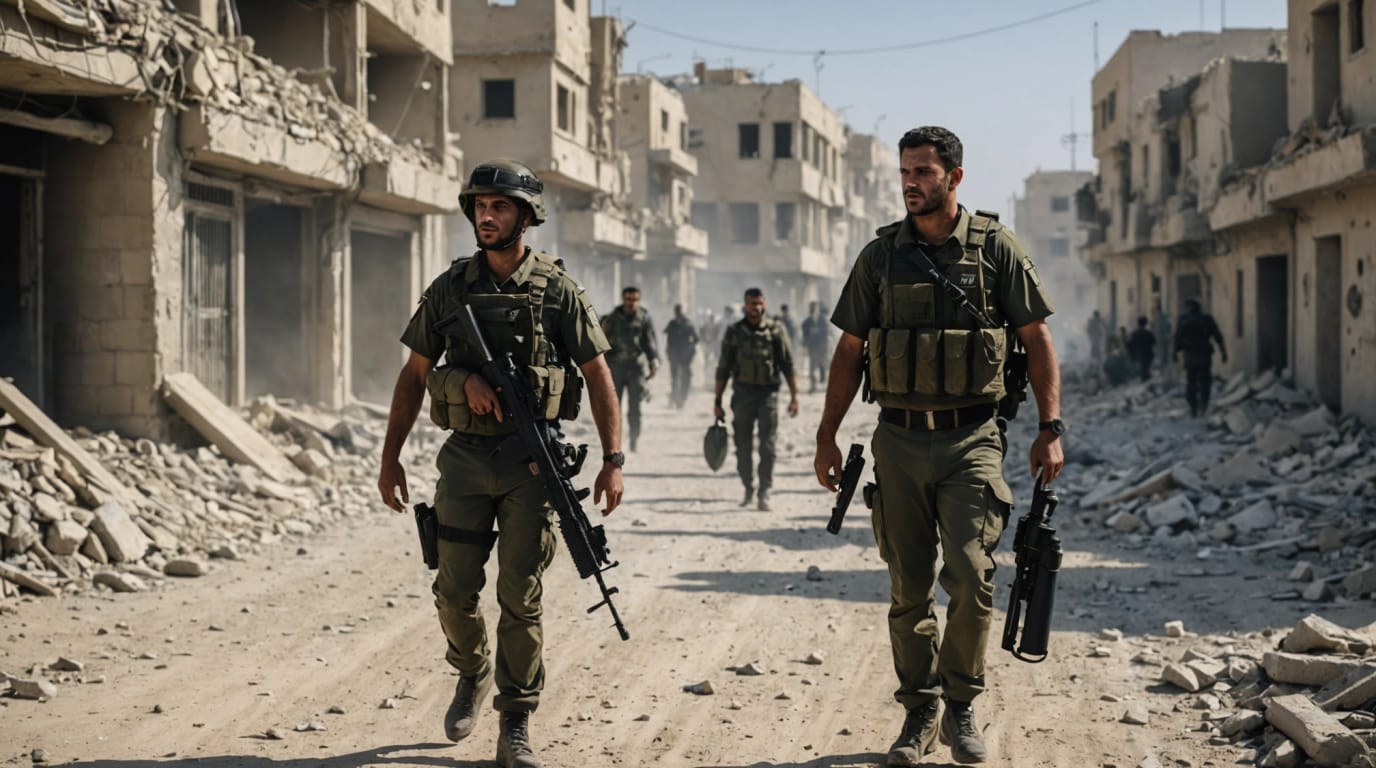
Gaza City – Tensions in the Gaza Strip have escalated sharply as Israeli forces conducted extensive strikes on what they claim were Hamas targets on March 18, 2025. These strikes, some of the most intense since the fragile ceasefire began on January 19, have resulted in significant casualties and renewed concerns about the potential collapse of ongoing truce negotiations. The renewed violence comes amid disagreements between Israel and Hamas regarding the terms for sustaining the three-phase ceasefire agreement, brokered by Arab mediators and backed by the United States.
Casualties Mount as Strikes Hit Multiple Locations
According to reports from Gaza's civil defense agency, the Israeli air strikes on March 18 resulted in at least 413 fatalities, with a significant number of victims being children, women, and the elderly. Approximately 150 people were also reported injured. Medics and witnesses reported that three houses in Deir Al-Balah in central Gaza, a building in Gaza City, and targets in Khan Younis and Rafah were struck. The explosions were heard across multiple locations, including northern Gaza.
Stalled Truce Talks and Shifting Demands
The recent escalation coincides with stalled negotiations between Israel and Hamas regarding the next phase of a ceasefire agreement. The initial phase, which began in mid-January, saw the release of 25 Israeli hostages held by Hamas in exchange for the release of nearly 2,000 Palestinians imprisoned in Israel. However, disagreements have emerged concerning the terms of the second phase, which was intended to secure the release of the remaining hostages, establish a lasting truce, and facilitate a full Israeli withdrawal from Gaza.
Israel has reportedly sought to extend the initial phase of the agreement until mid-April, demanding the "total demilitarization" of Gaza and the removal of Hamas control as preconditions for transitioning to the second phase. Hamas, on the other hand, has insisted on resuming the release of hostages only under the terms of the second phase, which was originally scheduled to begin on March 2.
Israel Justifies Strikes, Hamas Condemns Actions
The Israel Defense Forces (IDF) stated that the strikes were conducted against Hamas targets in response to the group's refusal to release hostages and its rejection of proposals from mediators. Prime Minister Benjamin Netanyahu's office echoed this sentiment, asserting that the strikes were ordered due to Hamas's intransigence. Netanyahu has also reiterated his demand for Hamas to disarm and its leaders to leave Gaza, vowing to intensify military operations against the group while simultaneously pursuing hostage negotiations.
Hamas has condemned the Israeli strikes as a violation of the ceasefire and accused Israel of sabotaging the negotiation process. The group maintains that its demands are aimed at securing the rights and dignity of the Palestinian people and that it will not compromise on these principles.
Humanitarian Crisis Deepens Amid Renewed Violence
The renewed violence has exacerbated the already dire humanitarian situation in Gaza. Since March 2, Israel has reportedly restricted the entry of food, fuel, medicine, and other essential supplies into Gaza, impacting an estimated 2 million people. This restriction has led to severe shortages and widespread hunger, particularly as it coincides with the Muslim holy month of Ramadan. International organizations have expressed grave concern over the deteriorating humanitarian conditions and have called for the immediate resumption of aid deliveries to Gaza.
Future Uncertain as Tensions Remain High
As of April 17, 2025, the situation in Gaza remains highly volatile. The breakdown in truce negotiations and the resumption of Israeli strikes have raised fears of a return to full-scale conflict. The international community is urging both sides to de-escalate tensions and return to the negotiating table. However, with deep divisions and mistrust prevailing, the prospects for a peaceful resolution remain uncertain. The coming days will be critical in determining whether the region can avert further bloodshed and humanitarian catastrophe.


