Israel Unleashes Broad-Scale Strikes on Tehran as Regional War Intensifies
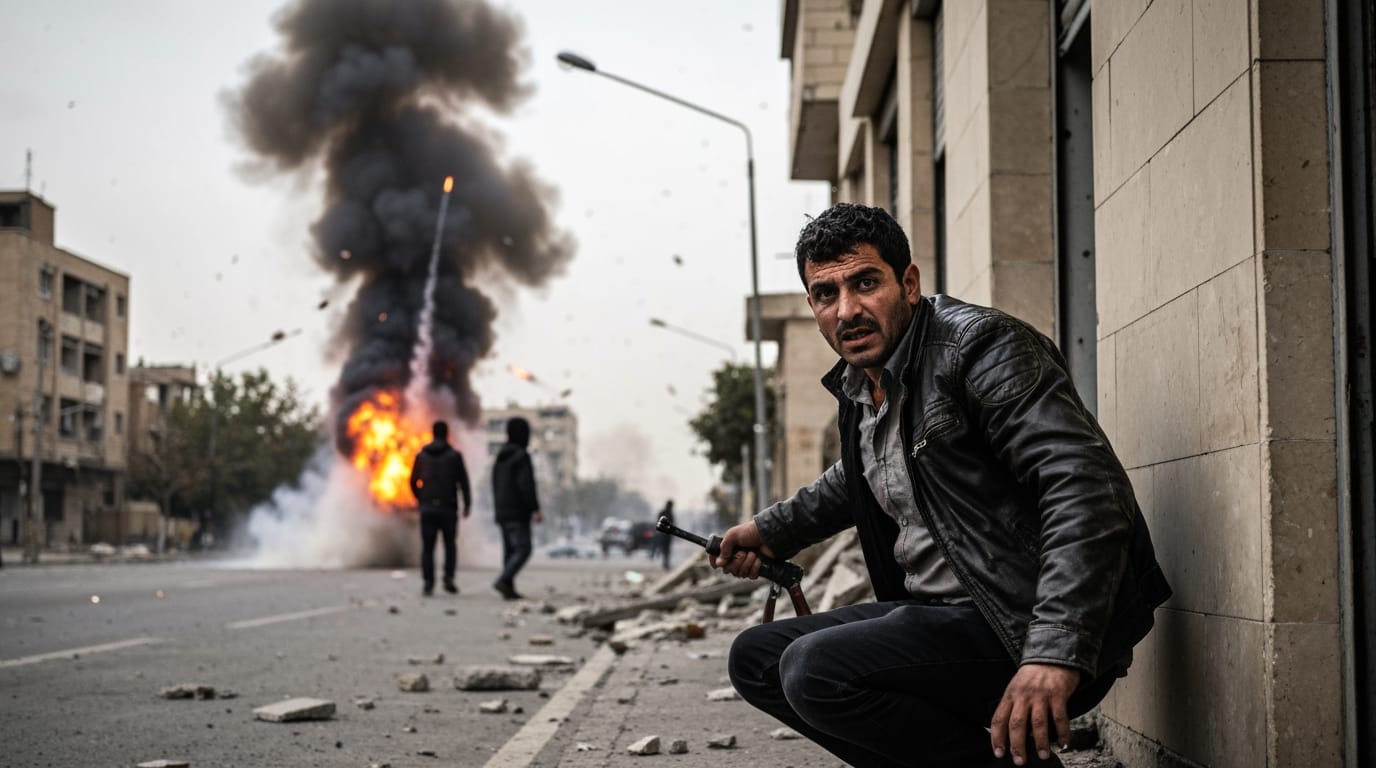
Tehran, Iran – March 7, 2026 – Israel has launched a "broad-scale wave of strikes" on targets across Tehran, marking a significant escalation in the ongoing conflict that has plunged the Middle East into its seventh day of intense warfare. The aerial bombardment, described by witnesses as the most severe since hostilities began, comes amidst a wider regional conflagration involving Iran, its proxies, the United States, and several Gulf states. The current crisis follows a critical joint U.S.-Israeli operation in late February that reportedly resulted in the death of Iran's Supreme Leader, Ayatollah Ali Khamenei, dramatically raising the stakes in the decades-long animosity between the two regional powers.
Strikes Batter Iranian Capital, Infrastructure Targeted
Early Friday, Israeli military forces initiated a wide-ranging assault on Tehran, targeting what they described as "regime infrastructure" and indicating a "new phase" in the US-Israeli campaign against Iran. Eyewitnesses in the Iranian capital reported particularly intense airstrikes, with powerful explosions shaking residential areas and thick plumes of smoke visible from multiple locations. Reports indicated strikes near Pasteur Street, a highly secured district housing key government institutions, including the Office of the President of Iran. Further strikes were reported around the Iranian city of Kermanshah, an area known for its missile bases, and other cities such as Shiraz, Qom, and Isfahan. The Israeli military claimed these strikes had successfully destroyed a significant portion of Iran's air defenses and missile launchers. In a related development, Israel also conducted extensive airstrikes on Hezbollah-controlled southern suburbs of Beirut, Lebanon, warning residents to evacuate prior to the attacks. These actions have intensified the conflict with Hezbollah, which is backed by Iran and has engaged in retaliatory strikes against Israel.
Iran's Retaliation Widens Conflict's Reach
In response to the Israeli offensive, Iran's Islamic Revolutionary Guard Corps (IRGC) unleashed its own barrage of Kheibar missiles towards Tel Aviv, as part of "Operation True Promise 4." Iranian forces also directed drone and missile attacks at US military installations and interests across the Middle East, including the Al Udied airbase in Qatar, a US military camp in Kuwait, and a base hosting US troops in Erbil, Iraq. Bahrain and Saudi Arabia also reported intercepting Iranian ballistic missiles and drones targeting their territories. The conflict's rapid expansion has seen Iran targeting not only Israel but also Gulf states, Cyprus, Turkey, and Azerbaijan, with reports of a US submarine sinking an Iranian naval vessel near Sri Lanka in the Indian Ocean. US Defense Secretary Pete Hegseth cautioned that the conflict was "about to surge dramatically," underscoring the severe escalation of hostilities. This broader engagement highlights the increasingly interconnected nature of regional security.
Decades of Enmity Culminate in Direct Confrontation
The roots of the current conflagration trace back decades, evolving from a proxy conflict that began in 1985 to a period of open hostility in the 1990s following the Iranian Revolution in 1979. While relations were once cordial, the Islamic Republic adopted a staunch anti-Israel stance, severing diplomatic ties and supporting various anti-Israel groups like Hezbollah and Hamas. This proxy warfare intensified over the years, leading to direct confrontations between Iran and Israel in 2024. These earlier direct exchanges included Israeli airstrikes on Iranian targets in Syria and Iran's retaliatory missile and drone launches towards Israel.
A critical turning point leading to the current seven-day war occurred on February 28, 2026, when the United States and Israel launched a joint airstrike campaign in Iran. This operation reportedly targeted Iranian Supreme Leader Ayatollah Ali Khamenei, with US President Donald Trump and Israeli officials confirming his death. While Iranian media initially denied the reports, they later acknowledged the death of Khamenei and other senior officials. This event was seen by some as an attempt to topple the Iranian regime and dismantle its nuclear and missile programs. Prior to these strikes, the White House revealed that Iran had rejected a US proposal for a joint civilian nuclear program with American investment, in exchange for dismantling its uranium enrichment infrastructure, suggesting Tehran "refused to say yes to peace." The assassination of Khamenei and the rejection of this offer appear to have served as profound catalysts for the current, full-scale military engagements.
International Outcry and Mounting Humanitarian Concerns
The rapid intensification and geographical spread of the conflict have elicited grave concern and strong reactions from the international community. The UN's Independent International Fact-Finding Mission on Iran condemned the US and Israeli airstrikes, asserting they run counter to the UN Charter which prohibits the use of force against the territorial integrity of any state. The mission also expressed alarm over Iran's retaliatory attacks across the region and urged all parties to comply with international humanitarian law and protect civilians, warning of potential accountability for war crimes.
Global leaders, including German Chancellor Friedrich Merz and French President Emmanuel Macron, have called for de-escalation, though some allies of Israel have expressed support for the strikes. Russia and China have denounced the attacks, with Russia labeling the military operation as a "pre-planned and unprovoked act of armed aggression."
The human cost of the escalating conflict is rapidly mounting. Officials reported at least 1,230 deaths in Iran, over 120 in Lebanon, and about a dozen in Israel, with six US troops also killed. In Lebanon, mass evacuations have taken place from areas targeted by Israeli strikes, including Beirut's southern suburbs, displacing tens of thousands. The unfolding humanitarian crisis underscores the devastating impact on civilian populations caught in the crossfire of this expanding regional war.
An Uncertain Future for a Volatile Region
The "broad-scale" strikes on Tehran represent a dangerous new chapter in the protracted Iran-Israel conflict, transforming a long-standing proxy struggle into direct, open warfare with significant regional and potentially global ramifications. The alleged killing of Supreme Leader Khamenei has removed a central figure in Iran's political and religious landscape, introducing an element of profound uncertainty into the future direction of the Islamic Republic. As Israel and the United States vow to continue dismantling Iranian capabilities and Iran promises further retaliation, the Middle East teeters on the brink of an even wider conflict. The international community's urgent calls for de-escalation reflect the shared recognition that the current trajectory could lead to further instability, profound human suffering, and unpredictable consequences for global peace and security. The coming days will be critical in determining whether a path towards a ceasefire can be found amidst the escalating violence or if the region will descend further into a full-scale war.


