Israel Urges Gazans to Evacuate 'Combat Zones' as Ceasefire Collapses
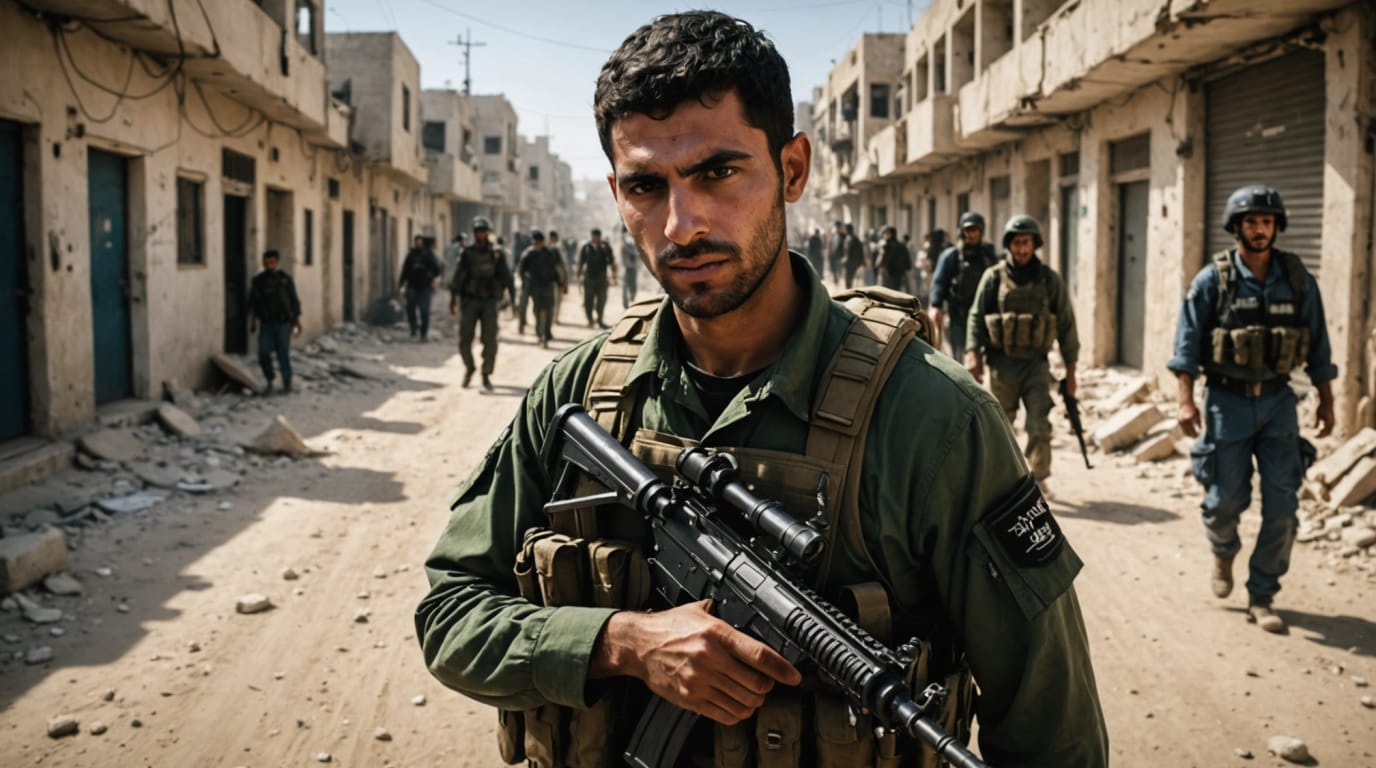
Following a deadly wave of attacks on Gaza, the Israeli military has issued urgent evacuation orders for Palestinian civilians in multiple areas, effectively shattering a fragile two-month ceasefire with Hamas. The renewed hostilities have triggered widespread displacement and exacerbated an already dire humanitarian crisis, prompting international condemnation and renewed calls for a ceasefire.
Evacuation Orders and Renewed Hostilities
On March 18, 2025, the Israeli military ordered residents of several areas in Gaza to "evacuate immediately," citing the need to clear "dangerous combat zones." The evacuation orders targeted neighborhoods in Beit Hanoun in northern Gaza, as well as Khuza'a, Abasan al-Kabira, and Abasan al-Jadida in the south. According to army spokesman Avichay Adraee, civilians were directed to seek shelter in western Gaza City and Khan Younis.
The evacuation orders followed a series of Israeli airstrikes across Gaza that killed at least 404 Palestinians and wounded 562 others, according to Palestinian authorities. The attacks marked a sharp escalation in the conflict and brought an end to a period of relative calm that had been in place since a ceasefire agreement took effect on January 19, 2025.
Hamas, which governs Gaza, condemned the Israeli attacks as a unilateral cancellation of the ceasefire. "Netanyahu and his extremist government are making a decision to overturn the ceasefire agreement, exposing prisoners in Gaza to an unknown fate," the group said in a statement.
Humanitarian Crisis Deepens
The renewed hostilities and evacuation orders have further aggravated the already dire humanitarian situation in Gaza. The United Nations Office for the Coordination of Humanitarian Affairs (OCHA) reported that the evacuation area covers approximately 23 square kilometers, encompassing more than 6% of the Gaza Strip and including numerous sites sheltering displaced people, three clinics, and one field hospital.
OCHA raised concerns about the safety and well-being of those ordered to evacuate, noting that no guarantees were provided for their protection. The World Health Organization (WHO) reported that planned medical evacuations were denied, further hindering efforts to provide essential healthcare to those in need.
The halt of humanitarian aid entering Gaza since March 2nd has severely impacted humanitarian operations, as partners struggle to sustain bakeries and begin reducing rations. The UN Population Fund (UNFPA) warns that the ongoing blockage of aid entry into Gaza is jeopardizing progress made since the ceasefire in terms of expanding sexual and reproductive health (SRH) services and scaling up gender-based violence (GBV) prevention, mitigation and response.
The United Nations Relief and Works Agency (UNRWA) continues to provide critical aid and services to a population overwhelmed by constant bombardment, forced displacement, and lack of critical resources. However, the agency's operations have been hampered by the border closure and existing challenges.
International Response and Condemnation
The Israeli attacks and evacuation orders have drawn widespread international condemnation. Muhannad Hadi, the humanitarian coordinator for the Occupied Palestinian Territory, described the killings as "unconscionable" and called for an immediate reinstatement of the ceasefire.
"People in Gaza have endured unimaginable suffering, and an end to hostilities, sustained humanitarian assistance, release of the hostages, and the restoration of basic services and people's livelihoods are the only way forward," Hadi said.
The United Nations Security Council convened to discuss the situation, with Under-Secretary-General for Humanitarian Affairs Tom Fletcher calling for a renewal of the ceasefire and stressing the need for humanitarian access to Gaza. "Blocking food, water, medicine for people who need them is unconscionable. It also goes against international humanitarian law and the provisional orders of the International Court of Justice," Fletcher said.
Collapse of Ceasefire Negotiations
The renewed violence followed a breakdown in negotiations to extend the ceasefire agreement between Israel and Hamas. Israeli officials said the strikes were ordered due to a lack of progress in talks to extend the ceasefire.
Hamas has accused Israel of deliberately sabotaging efforts to reach a long-term agreement. The group has insisted on moving to the second phase of the original ceasefire deal, which includes a complete prisoner exchange and an end to the war. However, Israeli Prime Minister Benjamin Netanyahu has refused to implement phase two, seeking to renegotiate the terms of the agreement.
Uncertain Future
The collapse of the ceasefire and the resumption of hostilities have cast a shadow over the future of Gaza. With both sides seemingly entrenched in their positions, the prospects for a peaceful resolution appear dim.
The most likely trajectory of the conflict is a long-term Israeli occupation of the Gaza Strip, with no other actors prepared to provide security. The international community faces the challenge of finding a way to de-escalate the situation, ensure humanitarian access to Gaza, and revive negotiations towards a lasting peace.
The immediate priority is to protect civilians, provide humanitarian assistance to those in need, and prevent further loss of life. The world is watching as the people of Gaza once again face the devastating consequences of conflict and displacement.


