Israeli Airstrike Kills Two in Southern Lebanon Amidst Intensified Cross-Border Hostilities
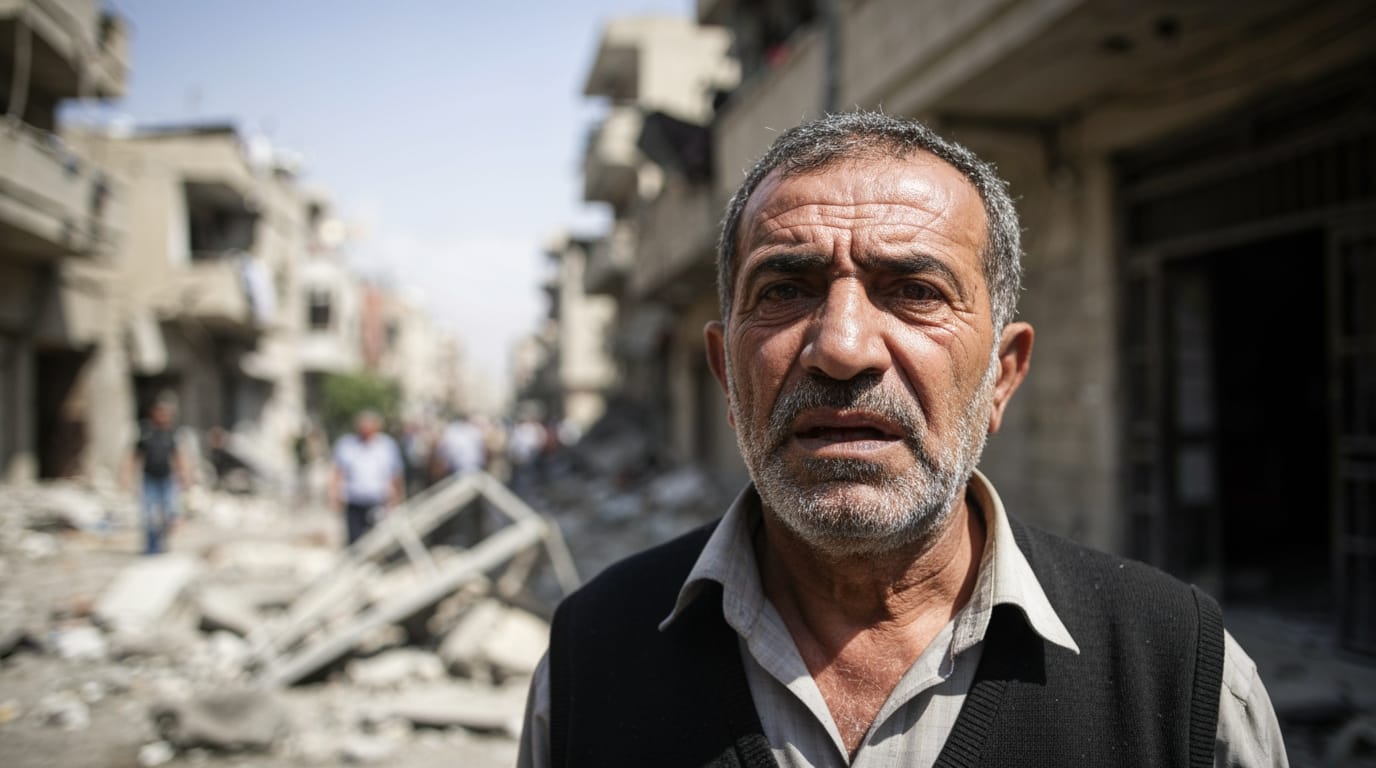
JERUSALEM/BEIRUT – An Israeli airstrike in southern Lebanon on Friday killed two individuals, further inflaming an already volatile border region gripped by persistent clashes despite an extended ceasefire agreement. The Israel Defense Forces (IDF) stated the strike targeted two armed individuals moving suspiciously in an area of ongoing operations against Hezbollah. This latest incident underscores the fragile nature of a truce intended to bring stability to the northern Israeli and southern Lebanese frontiers, which has instead witnessed a dramatic increase in violence and a deepening humanitarian crisis.
The recent strike is part of a broader pattern of intensified military actions by both Israel and the Iran-backed Hezbollah, transforming southern Lebanon into a renewed battleground. While a U.S.-brokered ceasefire has been in place since November 2024 and extended several times, daily exchanges of fire and deadly aerial assaults have become tragically routine, claiming thousands of lives and displacing millions. The continuing violence raises grave concerns about the potential for wider regional destabilization.
Daily Toll Rises Amidst Continued Operations
The May 22nd strike occurred in an area where Israeli forces are actively engaged against Hezbollah, which Israel views as a significant security threat operating along its northern border. The Israeli military reported that surveillance identified the armed individuals "moving in a suspicious manner" before an aerial strike "eliminated" them. This incident follows a series of lethal Israeli operations in the past week alone. On May 21st, an Israeli fighter jet strike near Tebnine Hospital killed two people and injured a third, causing substantial damage to the medical facility. Just two days prior, on May 19th, Israeli strikes in southern Lebanon killed two more people; one drone strike near Harouf Municipality killed a civilian and injured a municipal council member who were reportedly preparing to distribute bread, while another drone strike in Froun killed a person on a motorcycle.
These incidents are part of a larger surge in hostilities that saw at least 19 people, including four women and three children, killed in Israeli airstrikes across southern Lebanon on May 20th. These strikes hit multiple locations, including Deir Qanoun al Nahr, Nabatieh, and Kfar Sir, resulting in significant casualties. Lebanon’s Health Ministry confirmed these fatalities, highlighting the devastating impact on civilian populations caught in the crossfire.
Humanitarian Catastrophe Unfolds in Southern Lebanon
The ongoing conflict, which intensified significantly after Hezbollah launched rockets at Israel on March 2, 2026, in retaliation for U.S.-Israeli strikes against Iran, has precipitated a severe humanitarian crisis in Lebanon. According to the Lebanese Health Ministry, since March 2nd, Israeli attacks have resulted in at least 3,089 deaths, with 9,397 injured, and over 1.6 million people displaced. This staggering figure represents approximately one-fifth of Lebanon's total population. Among the reported fatalities by mid-May were at least 211 children and 292 women, underscoring the severe civilian toll.
The displacement crisis has forced hundreds of thousands to flee their homes, seeking refuge in makeshift shelters, schools, and other public spaces. The sheer scale of internal displacement has placed immense strain on Lebanon’s already struggling economy and public services, which were reeling from years of political instability and economic collapse. Relief organizations, including the Lebanese Red Cross, are providing critical aid, but the needs far outstrip available resources, with many displaced individuals living in dire conditions. The destruction of homes and infrastructure, including at least 16 hospitals damaged since March 2, 2026, further exacerbates the humanitarian challenge.
Hezbollah's Entrenched Presence and Israel's Strategic Response
Israel maintains that its military operations in southern Lebanon are aimed at degrading Hezbollah's capabilities and preventing attacks on Israeli territory. The IDF asserts that Hezbollah has deeply embedded its military infrastructure within civilian areas across southern Lebanon, frequently storing weapons in residential buildings, agricultural structures, and public facilities. This tactic, according to Israeli officials, is a deliberate strategy to shield military assets behind civilians, complicating military responses and increasing risks to non-combatants. The IDF's Northern Command claims to have destroyed approximately 60% of Hezbollah's terror infrastructure in Lebanese villages, including in areas where the IDF has operational control.
Since October 1, 2024, Israel has conducted ground operations within southern Lebanon, operating inside an Israeli-declared "yellow line" extending about 10 kilometers (six miles) from the border. These operations employ a range of weaponry, including airstrikes from fighter jets and drones, precision-guided munitions, and artillery fire. Hezbollah, for its part, has continued to launch drone attacks, rockets, and anti-tank missiles against Israeli forces and northern Israeli towns, asserting these actions are in response to Israeli aggression and ceasefire violations.
A Ceasefire Under Constant Strain
The current round of hostilities unfolds against the backdrop of a U.S.-brokered ceasefire agreement initially signed on November 27, 2024. This agreement mandated a 60-day cessation of hostilities, stipulating an Israeli withdrawal from southern Lebanon and a Hezbollah withdrawal to north of the Litani River. Despite its initial intent, the ceasefire has been extended multiple times, including for 45 days two days before the significant casualties on May 20th, and again just last week. However, these extensions have failed to halt the violence.
Both Israel and Lebanon, along with international mediators, have differing interpretations of the ceasefire's scope and enforcement. Israel has continued its strikes, justifying them as targeting Hezbollah infrastructure and militants. Hezbollah, in turn, views Israeli actions as violations and continues its attacks, describing them as legitimate resistance. This ongoing cycle of action and retaliation perpetuates a state of conflict, with each side accusing the other of undermining the fragile truce. International bodies and several nations have condemned the persistent violence and called for the full implementation of the ceasefire, emphasizing the need to protect civilians and de-escalate tensions.
Bleak Outlook for Regional Stability
The latest Israeli strike in southern Lebanon, resulting in two more deaths, serves as a stark reminder of the enduring and devastating conflict plaguing the region. Despite ongoing diplomatic efforts and a repeatedly extended ceasefire, the cycle of violence between Israel and Hezbollah shows little sign of abating. The human cost is immense, with thousands killed, tens of thousands injured, and over a million people displaced, creating a profound humanitarian crisis.
The strategic objectives of both sides, coupled with Hezbollah's entrenched presence in civilian areas, ensure that civilians will continue to bear the brunt of the hostilities. Without a robust and fully respected cessation of hostilities, coupled with effective mechanisms for disengagement and sustained international pressure, the outlook for lasting peace and stability along the Israel-Lebanon border remains grim. The international community continues to grapple with finding a viable path forward to prevent further escalation and alleviate the immense suffering of those caught in the protracted conflict.


