Israeli Airstrike on Beirut Kills Three, Heightening Regional Tensions
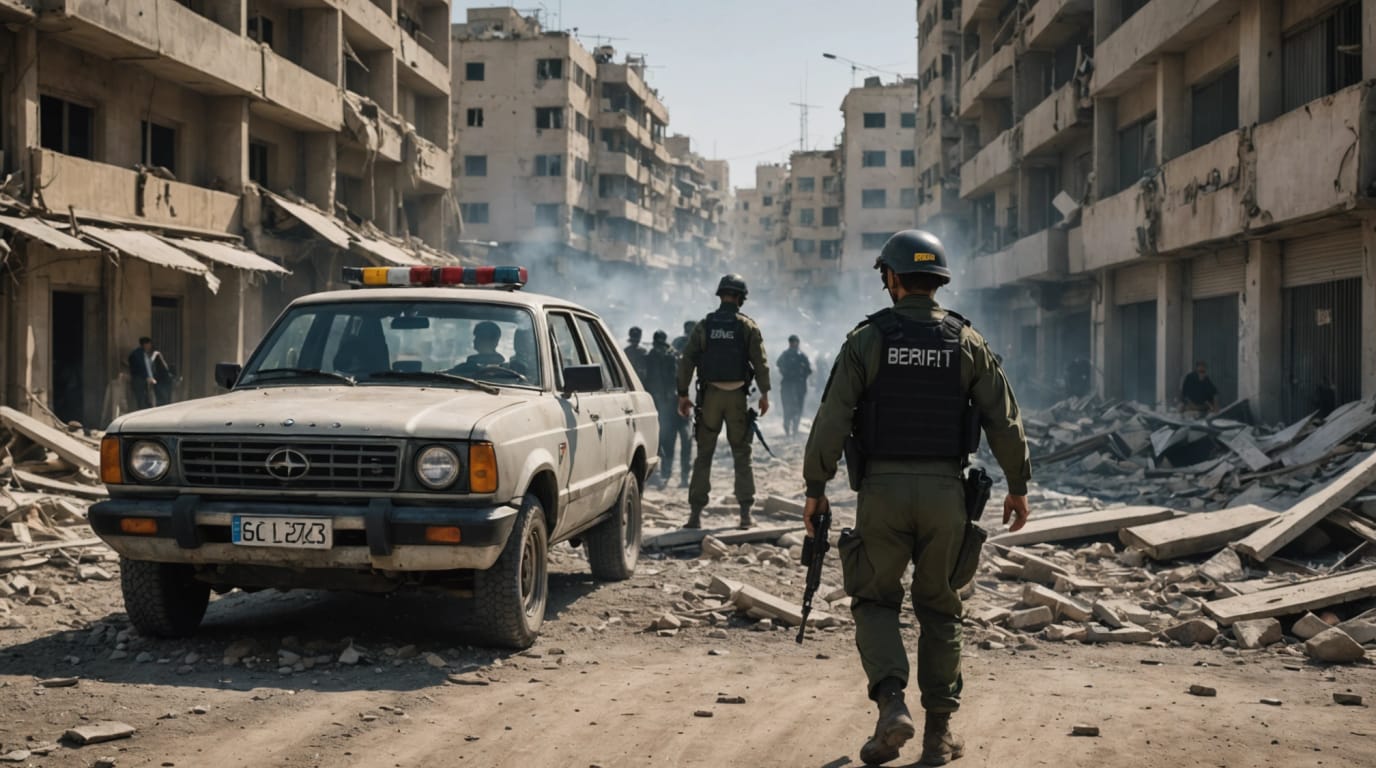
Beirut, Lebanon – An Israeli airstrike on a residential building in Beirut's southern suburbs in the early hours of Tuesday, April 1, 2025, killed at least three people and wounded seven, according to the Lebanese Health Ministry. The attack, the second of its kind on the Lebanese capital in less than a week, has raised concerns about a potential escalation of conflict between Israel and Hezbollah, particularly after a fragile ceasefire established in November 2024.
Strike Details and Casualties
The strike hit the Sfeir area in Dahiyeh, a stronghold of Hezbollah, around 3:30 a.m. local time. According to local TV channel al-Mayadeen, the targeted building was struck, resulting in its destruction and damage to nearby structures. Lebanese army personnel arrived at the scene and established a security cordon. Civil defense teams and ambulances rushed to rescue people trapped under the rubble and transport the injured to hospitals.
While the identities of those killed have not been officially confirmed by Lebanese authorities, the Israeli military stated that it targeted a Hezbollah member who had been directing and assisting Hamas operatives in planning attacks against Israeli civilians. The military claimed the individual posed an "imminent threat" and the strike was coordinated with Shin Bet, Israel's internal intelligence service.
Israeli Justification and Hezbollah Response
The Israeli military asserted that the targeted individual was actively involved in planning a "significant and imminent terror attack" against Israeli civilians. In a joint statement with the Shin Bet security agency, the military said it "acted to eliminate him and removed the threat."
Hezbollah has yet to issue an official statement regarding the strike. However, the group's deputy leader, Naim Qassem, warned days prior that if Israeli attacks continued and the Lebanese government did not act, Hezbollah would "resort to other alternatives."
Ceasefire Violations and Regional Implications
The airstrike marks the second Israeli attack on Beirut's southern suburbs since a ceasefire agreement was reached between Hezbollah and Israel in November 2024, which had brought an end to more than a year of hostilities triggered by the war in Gaza. Despite the agreement, the Israeli military has occasionally launched strikes in Lebanon, claiming they targeted Hezbollah "threats."
The previous strike occurred on Friday, March 28, when the Israeli military launched missiles at a building in Hadath area, resulting in its complete destruction. The Israel Defense Forces (IDF) stated that it had targeted a "drone storage facility" belonging to Hezbollah near the Lebanese capital.
These attacks have occurred despite the ceasefire agreement, raising concerns about its viability and the potential for renewed conflict. The United States and France brokered the truce, which also included a deadline for Israel to complete a full withdrawal from Lebanon's south. However, Israel has maintained a military presence at five "strategic" locations along the Lebanese border, failing to complete the withdrawal as agreed.
Civilian Impact and International Condemnation
The airstrike occurred during Eid al-Fitr, the Muslim holiday marking the end of Ramadan, adding to the distress of the local population. Videos shared online showed the top floors of an apartment building in ruins, with debris scattered across the street.
Al-Mayadeen TV reported that the airstrike targeted a densely populated area, raising concerns about the potential for civilian casualties. Lebanese authorities reported that the airstrike hit a densely populated area in the Sfeir neighborhood, damaging multiple buildings.
The attack has drawn condemnation from some international observers, who have expressed concern about the escalation of violence and the potential for further destabilization of the region.
Background of Tensions
Tensions between Israel and Hezbollah have been simmering for years, with occasional flare-ups along the border. Hezbollah began firing rockets at Israel on October 8, 2023, in support of its ally Hamas following the Palestinian group's attack on southern Israel that sparked the war in Gaza.
Since the ceasefire, Israel has launched near-daily strikes in southern and eastern Lebanon, citing threats from Hezbollah to communities in northern Israel. Hezbollah, in turn, has accused Israel of violating Lebanese airspace and territorial integrity.
The recent airstrike on Beirut represents a significant escalation of the conflict and raises concerns about the potential for a wider war. The fragile ceasefire is now under severe strain, and the region remains on edge.


