Israeli Defense Minister Threatens Annexation of Gaza Territory Amid Hostage Crisis
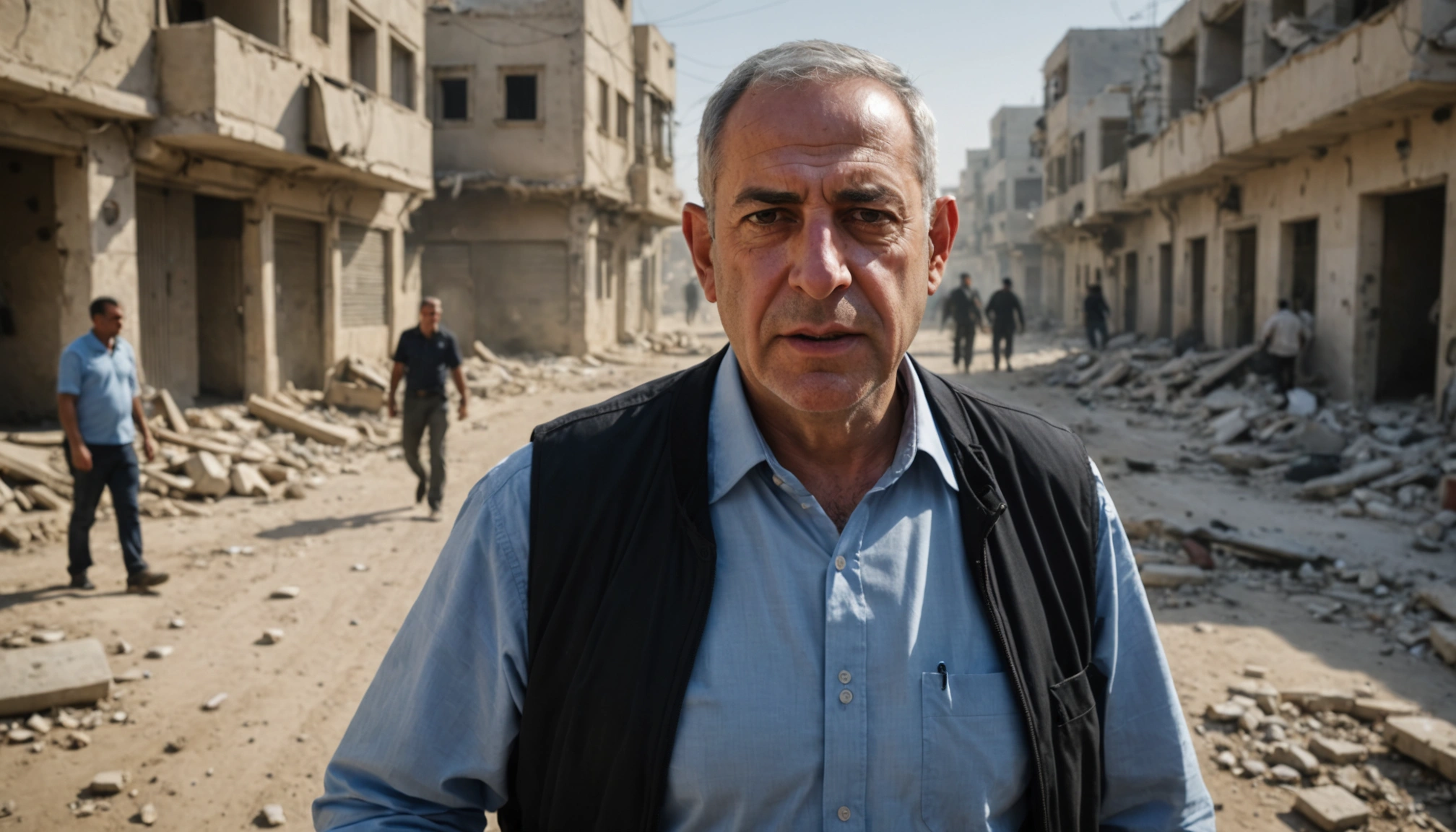
JERUSALEM – Israeli Defense Minister Israel Katz has threatened to annex parts of the Gaza Strip if Hamas does not release the remaining hostages held in the war-torn territory. The announcement comes as renewed fighting intensifies between Israel and Hamas, shattering a fragile ceasefire and drawing international condemnation.
Escalating Tensions and Territorial Threats
Katz stated on Friday that he had instructed the Israel Defense Forces (IDF) to seize additional areas within Gaza. He also issued evacuation orders for Palestinian civilians in those areas. "If the Hamas terror organization continues to refuse to release the hostages, I instructed the IDF to capture additional areas, evacuate the population, and expand the security zone around Gaza for the protection of Israeli communities and IDF soldiers, through a permanent hold of the area by Israel," Katz said. He further warned, "As long as Hamas continues its refusal, it will lose more and more land that will be added to Israel."
The defense minister's statement marks a significant escalation in rhetoric and action, raising concerns about the long-term implications for the already volatile region. The threat of annexation directly challenges international law and existing agreements regarding the status of Gaza.
Renewed Military Operations
The threat of annexation coincides with intensified military operations in Gaza. After a period of relative calm following a ceasefire that began on Jan. 19, Israel resumed intensive bombing of Gaza on March 18, citing a deadlock in indirect negotiations with Hamas. The IDF has since launched ground operations in southern Gaza's Rafah, as well as continuing activity in the northern and central parts of the Strip.
The renewed Israeli military campaign has been officially named “Operation Strength and Sword.” According to Gaza's civil defense agency, more than 500 people have been killed since the bombardment resumed, a figure that includes a large number of minors.
Hostage Negotiations at an Impasse
The hostage situation remains a central point of contention. Hamas militants continue to hold 59 Israeli hostages, according to Israeli officials. Katz has explicitly linked the release of these hostages to any potential cessation of military operations and the threat of annexation.
Prime Minister Benjamin Netanyahu's office said the military was acting after Hamas rebuffed several proposals by U.S. Middle East envoy Steven Witkoff to extend the first phase of the Gaza truce. Netanyahu stated that future ceasefire negotiations with Hamas "will only take place under fire."
International Response and Regional Implications
The threat of annexation has already drawn strong condemnation from some international actors. French Foreign Minister Jean-Noel Barrot stated that France opposes any annexation by Israel of the Gaza Strip or the West Bank. The international community has long maintained that any resolution to the Israeli-Palestinian conflict must be based on a two-state solution, with an independent Palestinian state encompassing the West Bank and Gaza Strip.
Katz's statements also included a reference to a controversial plan proposed by former U.S. President Donald Trump. The plan involved the United States redeveloping Gaza as a Mediterranean resort after relocating its Palestinian inhabitants to other Arab countries. This proposal has been widely criticized as unrealistic and a violation of international law.
Uncertain Future for Gaza
The recent developments paint a grim picture for the future of Gaza. The combination of renewed military operations, the threat of annexation, and the stalled hostage negotiations creates a highly unstable and unpredictable situation. The long-term consequences of these actions could further entrench the conflict and make a peaceful resolution even more difficult to achieve.
The international community faces a critical juncture. Concerted diplomatic efforts are needed to de-escalate the situation, secure the release of the hostages, and prevent further loss of life. The threat of annexation must be addressed head-on to uphold international law and preserve the possibility of a future two-state solution. The people of Gaza, already suffering from years of conflict and hardship, face an increasingly uncertain future.
Related Articles


Ratko Mladić, "Butcher of Bosnia" and Convicted War Criminal, Dies at 84
THE HAGUE, Netherlands – Ratko Mladić, the former Bosnian Serb military commander known as the "Butcher of Bosnia" and convicted of genocide, war crimes, and crimes against humanity, has died at the age of 84. Serbian...


Long-Awaited 9/11 Mastermind Trial Set for 2028, Decades After Attacks
GUANTANAMO BAY, Cuba – Nearly a quarter-century after the devastating terror attacks of September 11, 2001, a military judge has finally set a trial date for Khalid Sheikh Mohammed, the alleged mastermind behind the...