Israeli Prime Minister Conducts Secret Visit to United Arab Emirates for High-Level Talks
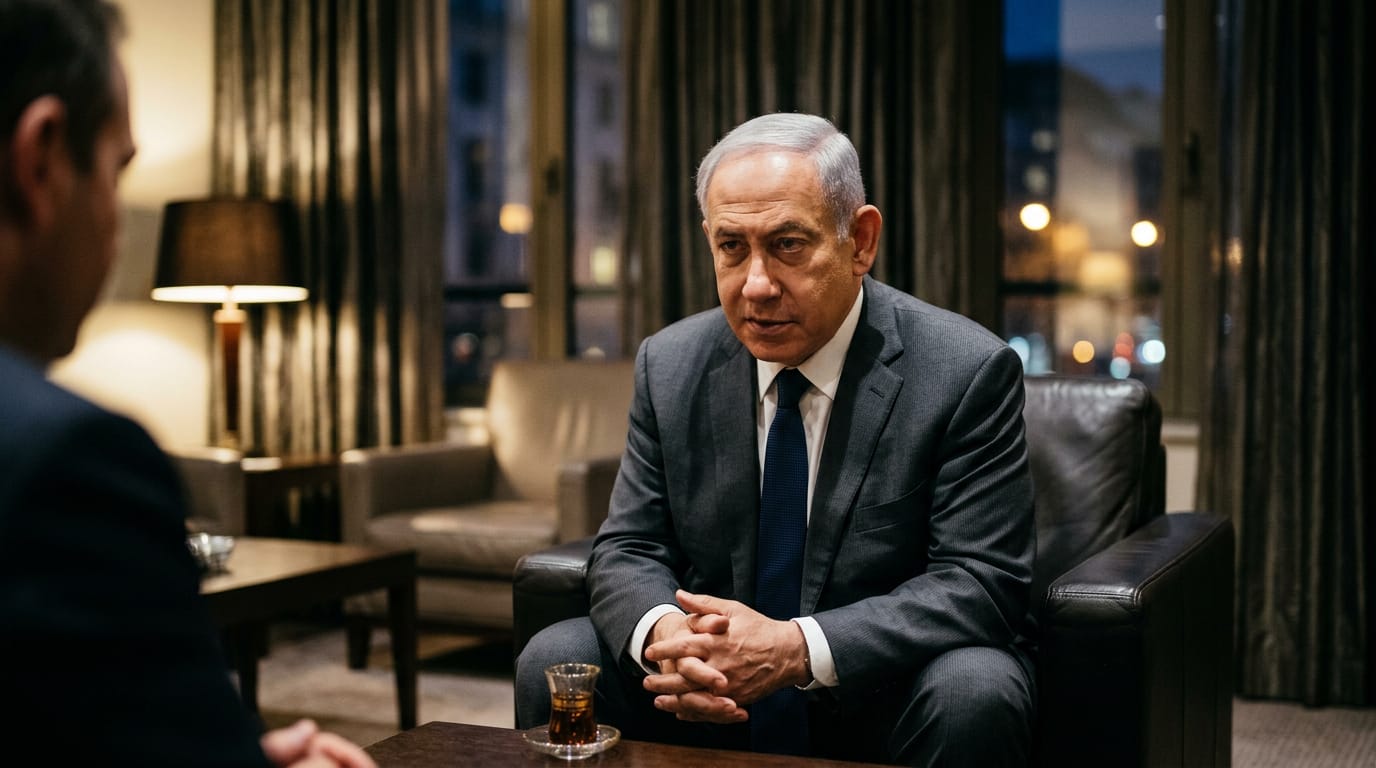
Israeli Prime Minister Benjamin Netanyahu traveled secretly to Abu Dhabi for unannounced discussions with United Arab Emirates President Sheikh Mohamed bin Zayed Al Nahyan, marking a rare high-level direct encounter between the two regional leaders.
The clandestine meeting took place on Sunday and lasted roughly an hour during a four-hour stay in the Gulf nation. The trip occurred against the backdrop of heightened regional tensions and persistent domestic political scrutiny in Israel regarding intelligence coordination before the outbreak of the war in Gaza. While both governments eventually released official statements acknowledging the bilateral dialogue, the circumstances surrounding the visit have triggered intense political debate and security controversies in Israel.
Details of the Clandestine Trip
Netanyahu departed Ben-Gurion Airport shortly after noon on a private executive jet, touching down in the Emirati capital around mid-afternoon. Accompanying the prime minister were several of Israel's most senior defense and foreign policy officials, including the head of the Mossad intelligence agency, the head of the National Security Council, the military secretary, and his chief foreign policy adviser.
The Israeli delegation spent approximately four hours on Emirati soil before departing back toward Tel Aviv in the evening. Both administrations maintained silence regarding the journey until Israeli media breached the news barrier on Monday, prompting official acknowledgments from Abu Dhabi and Jerusalem late in the day.
The Emirates News Agency reported that the two leaders discussed bilateral ties and explored pathways to strengthen cooperation. Israeli statements similarly characterized the meeting as an exchange focused on advancing diplomatic relations and confronting shared regional security challenges.
Shadow of Pre-War Intelligence Warnings
Despite official descriptions framing the encounter around broad bilateral relations, the timing of the visit points to intense fallout from recent media revelations in Israel. Earlier in the month, investigative reports alleged that the Emirati leader had personally warned Netanyahu about an imminent, major Hamas operation roughly ten days before the Oct. 7, 2023 assault.
According to reports citing officials familiar with the discussions, Netanyahu requested that the Emirati president issue a public denial regarding claims of a pre-attack alert. The alleged pre-war warning has become a flashpoint in Israeli politics, where opposition figures and public inquiries continue to examine intelligence oversights that preceded the conflict.
Netanyahu's office denied claims that he sought such a statement, dismissing reports about the nature of the conversation and maintaining that the trip focused entirely on regional strategic concerns. The UAE foreign ministry avoided addressing the specific claims directly, noting only that both nations maintain direct, open communication channels and routinely share relevant intelligence through established security institutions.
Censorship Clashes and Domestic Repercussions
The unannounced trip triggered swift friction between Israel's executive leadership and domestic media outlets. Before official confirmation was granted, Israel’s domestic security agency, the Shin Bet, filed a formal complaint with the chief military censor against a major Israeli television network.
The security agency alleged that broadcasting news of the prime minister's presence abroad while his plane was still outside Israeli airspace constituted a severe security violation that endangered the delegation. Broadcasters contended that reporting on the trip served vital public interest, particularly given the political sensitivity of intelligence exchanges with Arab partners.
Domestic political rivals also scrutinized the trip's secrecy, suggesting the diplomatic mission was shaped as much by upcoming election pressures and personal accountability as by statecraft. Previous attempts at arranging direct leader-level meetings between the two nations had faced friction, with Abu Dhabi often seeking to avoid public optics that could be interpreted as political endorsements.
Strategic Ties Under the Abraham Accords
The visit highlights the resilient yet delicate nature of the Abraham Accords, the landmark 2020 normalization agreements brokered under United States auspices. The United Arab Emirates remains one of the few Arab states to maintain formal diplomatic ties with Israel throughout the prolonged Gaza war.
Bilateral trade, tourism, and mutual security discussions have continued between Jerusalem and Abu Dhabi despite widespread regional outrage over civilian casualties in Palestinian territories. Shared apprehension regarding Iranian military capabilities and regional proxy activities—most notably operations by Houthi forces targeting maritime routes—remains a powerful strategic bond keeping both governments aligned on security matters.
Israeli defense systems have previously provided aerial defense support to Gulf facilities, and talks in Abu Dhabi reportedly included discussions on expanding integrated air-defense networks to deter joint regional threats.
Conclusion
The secret meeting in Abu Dhabi demonstrates that strategic communication between Israel and the UAE remains functional despite immense regional upheaval and political sensitivities. For the Emirati government, navigating its relationship with Israel requires balancing vital security and technological interests against broad public sympathy for Palestinians. For Netanyahu, the encounter reflects an effort to maintain crucial regional partnerships while simultaneously managing volatile domestic controversies rooted in the security lapses that preceded the war.