Israel's Gaza Buffer Zone Deepens Palestinian Suffering
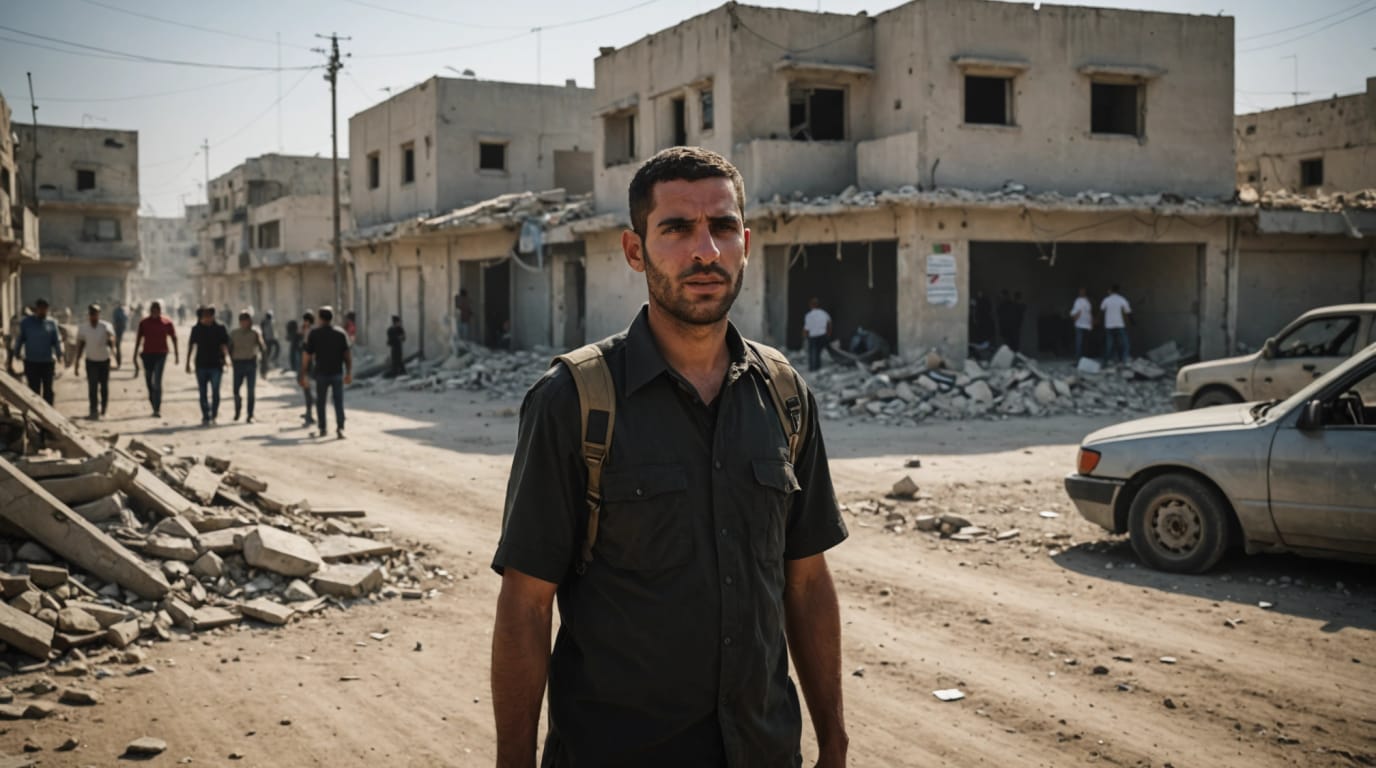
The expansion of Israel's buffer zone within Gaza is exacerbating the already dire humanitarian situation for Palestinians, displacing communities, destroying agricultural land, and raising serious concerns about the long-term impact on the region. What started as a limited security measure has morphed into a significant land grab, effectively shrinking the territory available to Palestinians and further restricting their access to essential resources.
Expansion and Destruction
Since the start of the recent conflict, the Israeli military has been systematically demolishing homes, razing farmland, and destroying infrastructure along the eastern and northern edges of the Gaza Strip. This has led to the creation of a buffer zone, which in some areas extends up to a kilometer into Gaza. Satellite imagery confirms the scale of the destruction, showing once-dense neighborhoods reduced to rubble. According to reports, approximately 90% of buildings within the "new buffer zone" have been either destroyed or severely damaged. This includes over 3,000 completely destroyed buildings, along with hundreds more suffering severe or moderate damage.
The expansion of this zone represents a significant increase in Israeli control over Gaza's territory. Some reports indicate that Israel now controls more than 50% of the Gaza Strip, squeezing Palestinians into ever-smaller areas. The buffer zone alone accounts for over 10% of Gaza, excluding the Philadelphi Corridor.
Displacement and Loss of Livelihoods
The creation of the buffer zone has resulted in the displacement of hundreds of thousands of Palestinians who once lived in these areas. These communities have lost their homes, their livelihoods, and their connection to the land. The destruction of agricultural land within the buffer zone has also had a devastating impact on Gaza's already struggling agricultural sector. This area was once a key source of food production for the region, and its destruction further undermines food security for the Palestinian population.
Khaled Taima, a resident of Khuza'a, a town now within the expanded buffer zone, described the destruction he witnessed. "The army blew up many of the buildings in Khuza'a and bulldozed a lot of land there as well," he said, noting that entire residential blocks had been razed.
Security Concerns and "Kill Zones"
The Israeli military maintains that the buffer zone is necessary to prevent future attacks and protect Israeli civilians living near the border. However, reports from soldiers who served in the area paint a disturbing picture of how the buffer zone is enforced. According to these accounts, the buffer zone has no clearly marked boundaries, and Palestinians who enter the area are often shot at. One soldier described the creation of a "kill zone" where anyone within 500 meters of Israeli tanks would be shot, including women and children.
These allegations raise serious concerns about the rules of engagement within the buffer zone and the potential for excessive force against civilians. While Israel claims that the buffer zone is a temporary measure, the scale of the destruction and the long-term implications for Palestinian communities suggest otherwise.
International Law and Human Rights
The establishment and expansion of the buffer zone have been widely condemned by international organizations and human rights groups. They argue that the destruction of private property and the occupation of territory outside Israel's recognized borders are a violation of international law. The forced displacement of Palestinians and the denial of their right to return to their homes also violate fundamental human rights.
Critics also point out that the creation of the buffer zone is a form of collective punishment, targeting the entire Palestinian population of Gaza for the actions of a few. This is a clear violation of international humanitarian law, which prohibits collective punishment.
Long-Term Implications
The creation of the Gaza buffer zone has far-reaching implications for the future of the region. It not only exacerbates the immediate humanitarian crisis but also undermines the prospects for a lasting peace. The shrinking of Gaza's territory and the destruction of its agricultural land will make it even more difficult for Palestinians to achieve economic self-sufficiency. The displacement of communities and the creation of a "kill zone" will further fuel resentment and animosity, making it harder to build trust and reconciliation.
As the Israeli military continues to expand its footprint in Gaza, the long-term consequences for the Palestinian population are becoming increasingly clear. The buffer zone is not just a security measure; it is a land grab that is deepening Palestinian suffering and undermining the prospects for a peaceful resolution to the conflict.
The international community must hold Israel accountable for its actions and demand an end to the expansion of the buffer zone. It is also essential to provide humanitarian assistance to the displaced communities and to support efforts to rebuild Gaza's shattered economy. Only through a concerted effort can the cycle of violence and despair be broken and a just and lasting peace be achieved.


