Israel's Shadow War in Syria: A Complex Calculus of Security and Strategy
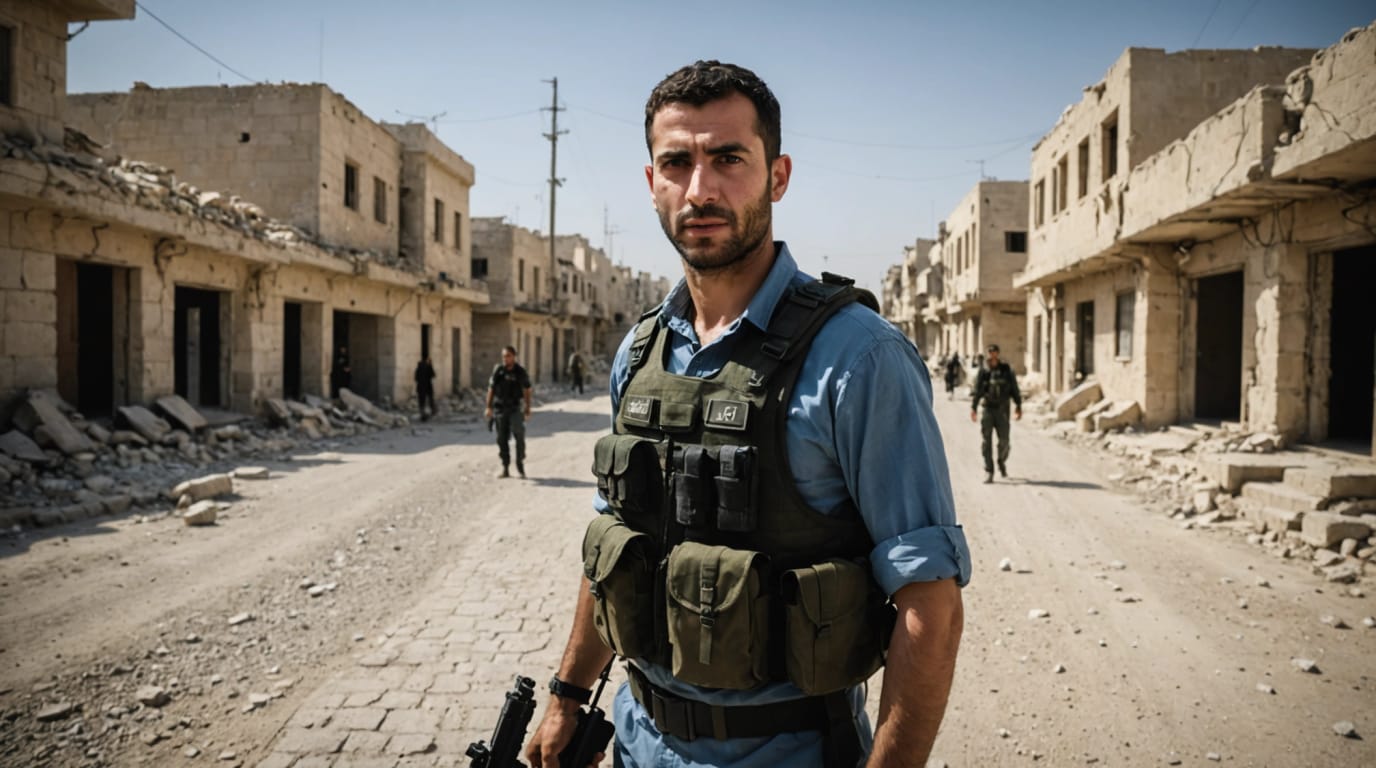
For over a decade, as Syria has been ravaged by civil war and regional power struggles, Israel has been conducting a largely unacknowledged, yet persistent, military campaign within its borders. This intervention, dubbed "Operation Chess," is driven by a complex calculus of security concerns, strategic interests, and a determination to prevent its northern neighbor from becoming a launchpad for attacks against the Jewish state. While Israel maintained a position of official neutrality in the Syrian conflict from 2011 to 2017, the growing influence of Iran and its proxies, particularly Hezbollah, has drawn Israel into a more active role.
Containing Iranian Influence
Israel's primary objective in Syria is to prevent Iran from establishing a permanent military presence and expanding its regional influence. Israeli officials view Iran's growing footprint in Syria as a direct threat to their national security. Since 2013, Israel has been closely monitoring Iranian movements, especially along Syria's southern front, categorizing them based on the threat they pose.
Israel fears that Iran, through its proxies like Hezbollah, seeks to create a "beachhead" against Israel on its borders. This concern is amplified by Iran's development of nuclear and long-range missile capabilities. Israel aims to disrupt the creation of a strategic arc from Tehran through Baghdad and Damascus to Beirut, which would provide Iran with access to the Mediterranean Sea and facilitate the rearmament of Hezbollah.
To counter this threat, Israel has conducted numerous airstrikes targeting Iranian and Hezbollah forces and facilities within Syria. These strikes aim to disrupt weapons shipments, destroy infrastructure, and deter further Iranian entrenchment. Israel believes this pressure is effective in limiting Iran's ability to solidify its grip on Syria.
Blocking Arms Transfers to Hezbollah
A key component of Israel's strategy is to prevent the transfer of advanced weaponry from Iran to Hezbollah, the Lebanese Shiite militant group and political party. Israel views Hezbollah as one of its most significant adversaries, and it is determined to prevent the group from acquiring capabilities that could threaten Israeli security.
Israel has repeatedly targeted convoys and storage facilities suspected of housing Iranian weapons destined for Hezbollah. These strikes are intended to degrade Hezbollah's military capabilities and prevent it from building up its arsenal.
Maintaining a Buffer Zone
Israel has long been concerned about instability along its border with Syria, particularly in the Golan Heights, a strategic plateau captured by Israel during the 1967 Six-Day War. While Israel formally annexed the Golan Heights in 1981, the international community, including Syria, still considers the territory as occupied.
To address these concerns, Israel has taken steps to establish a security buffer in southern Syria. This includes conducting military operations in the area and, following the fall of the Assad regime in late 2024, expanding its control over territory adjacent to the Golan Heights. Israel has declared the 1974 border agreement with Syria void and has indicated it will maintain its presence in the area for an "unlimited time."
Aiding Positive Forces and Undermining Hostile Actors
Beyond military operations, Israel has also sought to influence the internal dynamics of Syria. It aims to support elements within Syria that are not hostile to Israel and to undermine those that pose a threat.
In the past, this has included providing clandestine support to anti-regime Syrians. More recently, Israel has expressed interest in establishing relations with "positive forces" in the territory, offering humanitarian aid to alleviate anti-Israel sentiment. At the same time, Israel is wary of a Turkish-backed Islamist government in Syria, fearing it could pose a threat to its borders. It has lobbied the U.S. to support the decentralization of Syria and to maintain Russia's military presence as a counterweight to Turkish influence.
Navigating a Complex Landscape
Israel's involvement in Syria is a high-stakes game with numerous risks and challenges. The Syrian civil war has created a complex and volatile environment, with multiple actors vying for power and influence. Israel must carefully navigate this landscape to protect its interests and avoid unintended consequences.
One key challenge is managing relations with Russia, which has been a major player in the Syrian conflict. Israel and Russia have established a deconfliction mechanism to avoid accidental clashes in Syrian airspace, allowing Israel to conduct airstrikes against Iranian and Hezbollah targets without Russian interference. However, maintaining this delicate balance requires careful diplomacy and coordination.
Another challenge is the potential for escalation. Israel's attacks on Iranian and Hezbollah targets in Syria could provoke a response, leading to a wider conflict. Israel must weigh the risks and benefits of its actions carefully to avoid a dangerous escalation.
An Uncertain Future
The future of Syria remains uncertain, and Israel's role in the country is likely to evolve as the situation changes. While the fall of the Assad regime on December 8, 2024, initially presented Israel with new opportunities to expand its control in the south and weaken the "axis of resistance," it also created new threats, including the potential for jihadist groups to advance near Israeli communities.
Israel's long-term goals in Syria are clear: to prevent the country from becoming a base for attacks against Israel, to contain Iranian influence, and to maintain stability along its northern border. Achieving these goals will require a combination of military strength, diplomatic skill, and a willingness to adapt to the ever-changing realities of the Syrian conflict. As Prime Minister Benjamin Netanyahu stated, Israel intends to remain in Mount Hermon and the surrounding buffer zones "for an indefinite period," signaling a continued commitment to shaping the security landscape in southern Syria.


