Istanbul Mayor Ekrem Imamoglu's Arrest Sparks Widespread Protests and Political Turmoil in Turkey
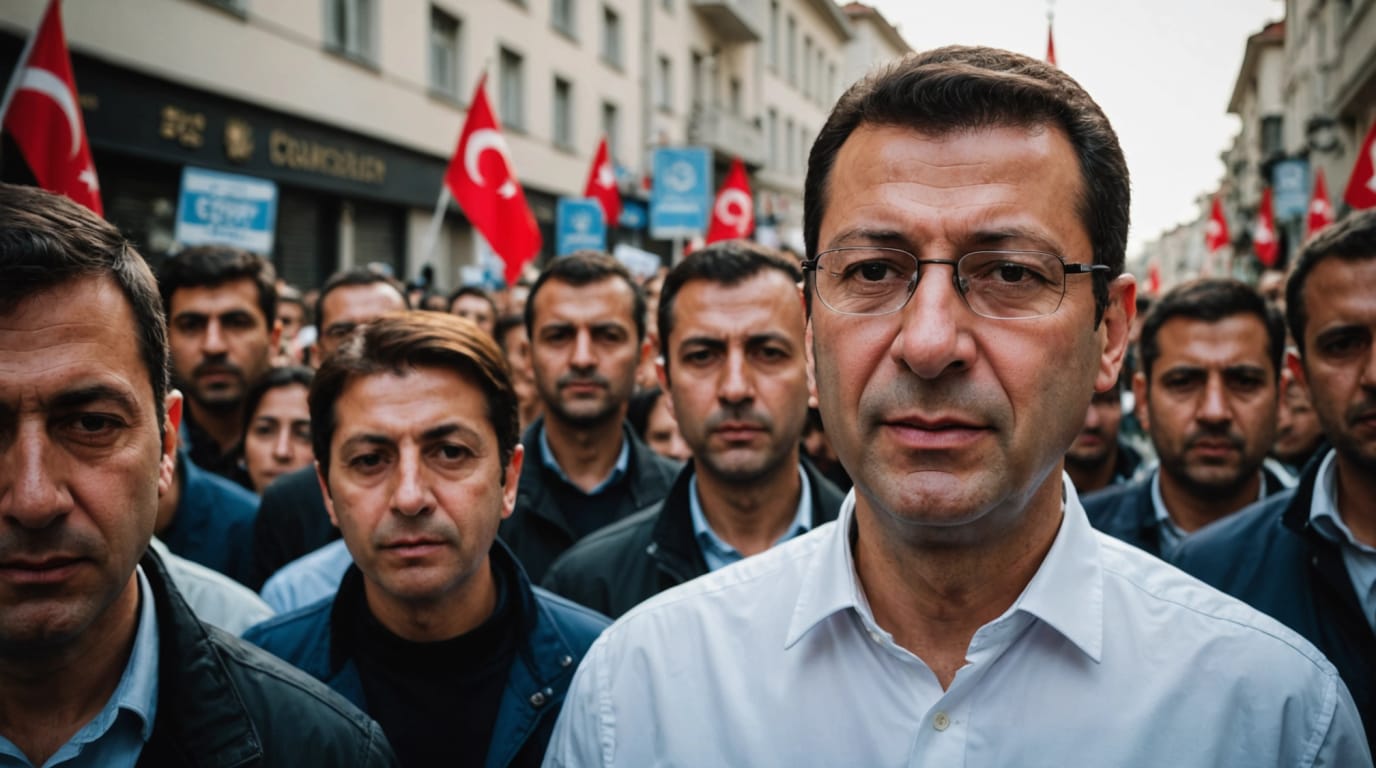
The arrest and jailing of Istanbul Mayor Ekrem Imamoglu on March 19, 2025, has ignited a firestorm of protest and political upheaval across Turkey, raising concerns about the state of democracy and the rule of law under President Recep Tayyip Erdoğan's government. Imamoglu, a prominent figure in the opposition Republican People's Party (CHP) and widely seen as Erdoğan's main challenger for the 2028 presidential election, faces charges of corruption, aiding a terrorist organization, and leading a criminal organization, allegations he vehemently denies.
Arrest and Charges
On March 19, 2025, Turkish police detained Imamoglu, along with approximately 100 other individuals, including aides, district mayors, journalists, and business figures. The Istanbul Chief Public Prosecutor's Office launched investigations against Imamoglu and the others on charges including leading a criminal organization, membership in a criminal organization, embezzlement, bribery, aggravated fraud, unlawful acquisition of personal data, and rigging public tenders.
On March 23, 2025, an Istanbul court formally jailed Imamoglu pending trial on the corruption charges. While a separate anti-terrorism charge was dismissed by the court, Imamoglu remains suspended from his duties as mayor. The government insists that Turkey's judiciary is independent and free of political influence, but critics view the arrest as a politically motivated attempt to silence dissent and eliminate a strong contender for the presidency.
Adding to the controversy, Istanbul University annulled Imamoglu's bachelor's degree on March 18, 2025, citing irregularities. This decision jeopardizes his presidential eligibility, as Turkish law requires candidates to have a higher education degree.
Mass Protests and Detentions
Imamoglu's arrest has triggered widespread protests across Turkey, with tens of thousands of people taking to the streets in major cities like Istanbul, Ankara, and Izmir. These demonstrations represent the largest unrest the country has seen since the Gezi Park protests in 2013. Protesters are decrying what they perceive as politically motivated legal actions against Imamoglu and demanding his release.
Turkish authorities have responded to the protests with force, deploying water cannons, tear gas, and police batons to disperse crowds. Amnesty International has condemned the use of unnecessary and indiscriminate force by security forces against peaceful demonstrators and called for investigations into unlawful acts of violence committed by police.
As of March 24, 2025, Turkish police had detained over 1,100 people across the country in connection with the protests. Among those detained are journalists covering the demonstrations, raising concerns about freedom of the press. The Turkish Interior Minister has stated that no concessions will be made to those who attempt to terrorize the streets and attack national values.
Political Fallout and Opposition Response
Despite his incarceration, Imamoglu was overwhelmingly voted in as the CHP's candidate for the 2028 presidential election in a primary held on March 24, 2025. Close to 15 million people cast their ballots in a show of support for him. In a statement from prison, Imamoglu expressed his happiness at the record level of participation in the primary.
CHP Chairman Özgür Özel visited Imamoglu in prison and described him as a "lion inside, standing tall, with his head held high." The CHP has denounced Imamoglu's arrest as a "political coup" and an intervention against the will of the people. Other opposition parties have also voiced their support for Imamoglu and condemned the government's actions.
The European Parliament has expressed strong concern about the Turkish government's interference in the administration of Kurdish-majority regions, including the removal and imprisonment of democratically elected mayors. The parliament has called for their release and reinstatement and urged the EU to consider restrictive measures against Turkish officials involved in human rights violations.
Concerns About Democratic Backsliding
Imamoglu's arrest comes amid growing concerns about democratic backsliding and human rights violations in Turkey. Human Rights Watch's 2025 World Report highlights Turkey's entrenched corruption, defiance of European Court of Human Rights (ECtHR) rulings, and ongoing persecution of dissenters under Erdoğan's leadership.
The Turkish government exerts strong control over the media, courts, and most state institutions, regularly sidelining or punishing perceived government critics. Thousands of people face detention, investigations, and unfair trials on terrorism charges for alleged links with the Gülen movement, which the government deems a terrorist organization.
The government has also replaced elected opposition mayors with Ankara appointees and detained and punished Kurdish political activists, journalists, and people with alleged links to the Gülen movement. These actions have raised concerns about the erosion of judicial independence and the suppression of political opposition.
A Nation Divided
The arrest of Ekrem Imamoglu has further polarized Turkish society and raised questions about the future of democracy in the country. While the government insists that the judiciary is independent and that Imamoglu's arrest is based on legitimate legal grounds, critics see it as a politically motivated attempt to silence a popular opposition figure and consolidate Erdoğan's power.
The mass protests, the detention of journalists and protesters, and the ongoing crackdown on dissent have drawn international condemnation and raised concerns about Turkey's human rights record. As Turkey approaches the 2028 presidential election, the political climate remains tense and uncertain, with the fate of Ekrem Imamoglu and the future of Turkish democracy hanging in the balance.
The situation remains fluid, with the potential for further protests, political maneuvering, and international pressure. The coming months will be crucial in determining whether Turkey can reverse its course of democratic backsliding and uphold the rule of law and fundamental freedoms for all its citizens.


