Italian Alps Bid Farewell: Milan Cortina 2026 Concludes with Spectacle of Unity and Legacy
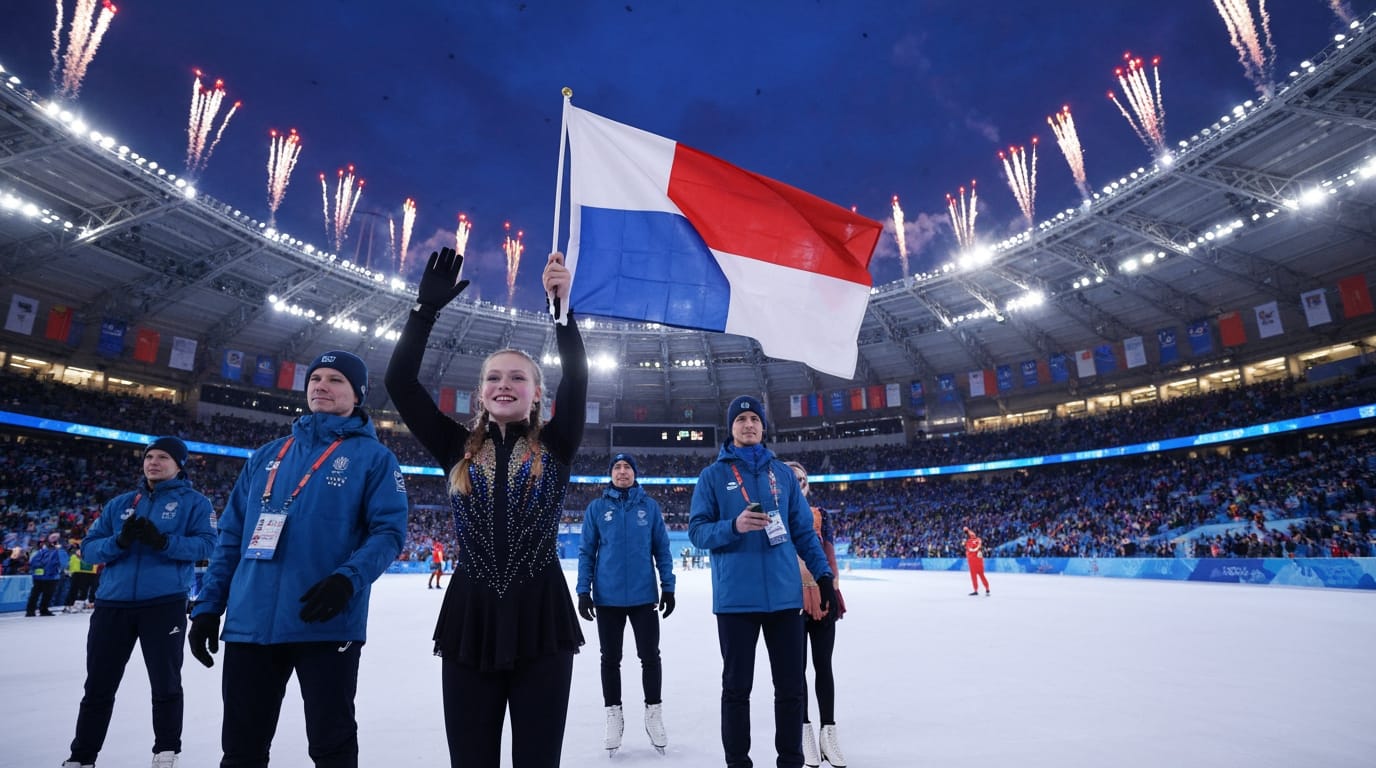
VERONA, ITALY – The grandeur of the Verona Arena bore witness this evening to the poignant closing ceremony of the XXV Winter Olympic Games, bringing to a close 17 days of exhilarating competition and cultural celebration across Northern Italy. Under the theme "Beauty in Action," the ceremony served as a vibrant testament to athletic achievement, international camaraderie, and Italy's commitment to a sustainable future, culminating in the traditional extinguishing of the Olympic flame. The event marked the official conclusion of the Milano Cortina 2026 Games, a multi-centered Olympiad that aimed to redefine the hosting model for major global events.
The two-hour spectacle, held in the historic Roman amphitheater, blended modern artistic performances with deeply rooted Olympic traditions. Athletes from nearly 92 nations, who had showcased their prowess across 116 medal events in 8 sports and 16 disciplines, streamed into the arena, not in national procession, but as a unified group, symbolizing the bonds forged over weeks of shared experience. This communal entry underscored the Games' overarching message of connection and harmony, echoing the "Armonia" theme that launched the Games during the opening ceremony in Milan.
A Grand Farewell in Verona
The Verona Arena, a symbol of enduring Italian heritage, provided a magnificent backdrop for the concluding festivities. The "Beauty in Action" theme, central to the ceremony, was expressed through a dynamic program that celebrated Italian artistry and the athletic spirit. World-renowned ballet dancer Roberto Bolle, recognized for his contributions to classical and contemporary dance, was a confirmed performer, adding a layer of sophisticated artistic expression to the proceedings. This artistic segment showcased Italy's rich cultural tapestry, blending it seamlessly with the celebratory atmosphere that characterizes an Olympic farewell. The visual language of the Games, inspired by the "human gesture" and the concept of "The Vibes," was prominently featured, illustrating the energy, passion, and connection between people.
Following the artistic showcases, the solemn protocol elements unfolded. These included the ceremonial entrance of flags, typically led by Greece and concluded by the host nation. A final medal ceremony, a time-honored tradition at the closing event, recognized the champions of a marquee discipline, often the men's 50 km and women's 30 km cross-country skiing events for the Winter Games. Speeches by the President of the Organizing Committee and the International Olympic Committee President officially declared the Games closed, reflecting on the achievements and impact of Milano Cortina 2026.
Two Weeks of Alpine Triumph and Innovation
The Milano Cortina 2026 Games, spanning from February 6 to February 22, 2026, presented a panorama of winter sports excellence across multiple venues in Lombardy and Northeast Italy. From the speed of alpine skiing in Cortina to the precision of figure skating in Milan, and the debut of ski mountaineering as an Olympic event, athletes pushed the boundaries of human performance. While specific individual triumphs and record-breaking moments will be chronicled in the days to come, the Games were marked by intense competition and inspiring demonstrations of sportsmanship. The distributed model of the Games, with events held across Milan, Cortina, Livigno, Val di Fiemme, and Anterselva, allowed for a broader engagement with Italy's diverse winter sports landscape and communities.
The Games' motto, "IT's Your Vibe," emphasized a people-centric approach, aiming to celebrate the unique energy and connection shared by athletes, fans, and volunteers. This inclusive spirit was palpable throughout the competitions, with stories of dedication, resilience, and unity emerging from every corner of the host regions. The introduction of ski mountaineering brought a new dimension to the Winter Olympics, highlighting the evolving nature of winter sports and embracing disciplines that celebrate the unique challenges of mountain environments.
Forging a Sustainable Future: A New Olympic Blueprint
Milano Cortina 2026 was strategically designed to set a new benchmark for sustainability and legacy in the Olympic movement. The organizing committee committed to a model that utilized 92% existing or temporary venues, significantly reducing the environmental footprint and capital expenditure typically associated with hosting the Games. This approach involved adapting iconic locations and integrating new facilities with future community use in mind. For instance, the Olympic Village in Milan's Porta Romana district is planned for conversion into low-carbon student and affordable housing post-Games. Similarly, temporary structures in Cortina are slated for repurposing.
Key sustainability initiatives included a focus on 100% certified renewable electricity for venues, a low-carbon transport plan prioritizing trains and shuttles, and ambitious targets for waste recycling and food waste recovery. Efforts extended to responsible snowmaking, utilizing advanced technology to minimize water and energy consumption. Beyond environmental considerations, the Games aimed to deliver significant socio-economic benefits, including countering depopulation in mountain areas, generating new jobs through infrastructure investments, and fostering active lifestyles across Italy. The legacy strategy focused on strengthening community resilience and promoting long-term regional development, moving away from the "white elephant" infrastructure often seen in past Games.
The Torch Passed, A Vision Continues
A pivotal moment of the closing ceremony was the symbolic passing of the Olympic flag. After being lowered from its mast, the flag was ceremonially handed by the mayor of Milan to the International Olympic Committee President, who then entrusted it to the representatives of the French Alps, the designated hosts for the 2030 Winter Olympics. This "Antwerp Ceremony" represents the continuity of the Olympic spirit and the transfer of responsibility to the next generation of hosts.
The French Alps presented an artistic segment, offering a glimpse into their culture and vision for the 2030 Games, building anticipation for the next chapter in winter sports history. The ceremony culminated with the extinguishing of the Olympic flame, a powerful and moving gesture that signifies the official end of the Games and the return of peace and unity until the next Olympiad. The flame, which burned brightly across the Italian landscapes, symbolized the hopes, dreams, and achievements of thousands of athletes and the collective spirit of millions worldwide.
As the lights dimmed in the Verona Arena and the Olympic flame faded, the Milano Cortina 2026 Winter Olympics drew to a close, leaving behind a legacy not only of sporting excellence but also a compelling blueprint for future sustainable mega-events. The Games reaffirmed the power of sport to unite nations, inspire individuals, and drive positive change, demonstrating Italy's talent for blending tradition with innovation. The enduring "vibe" of these Games, characterized by harmony, sustainability, and human connection, will resonate long after the final applause.