Italian Art World Rocked by Lightning-Fast Heist at Magnani-Rocca Foundation
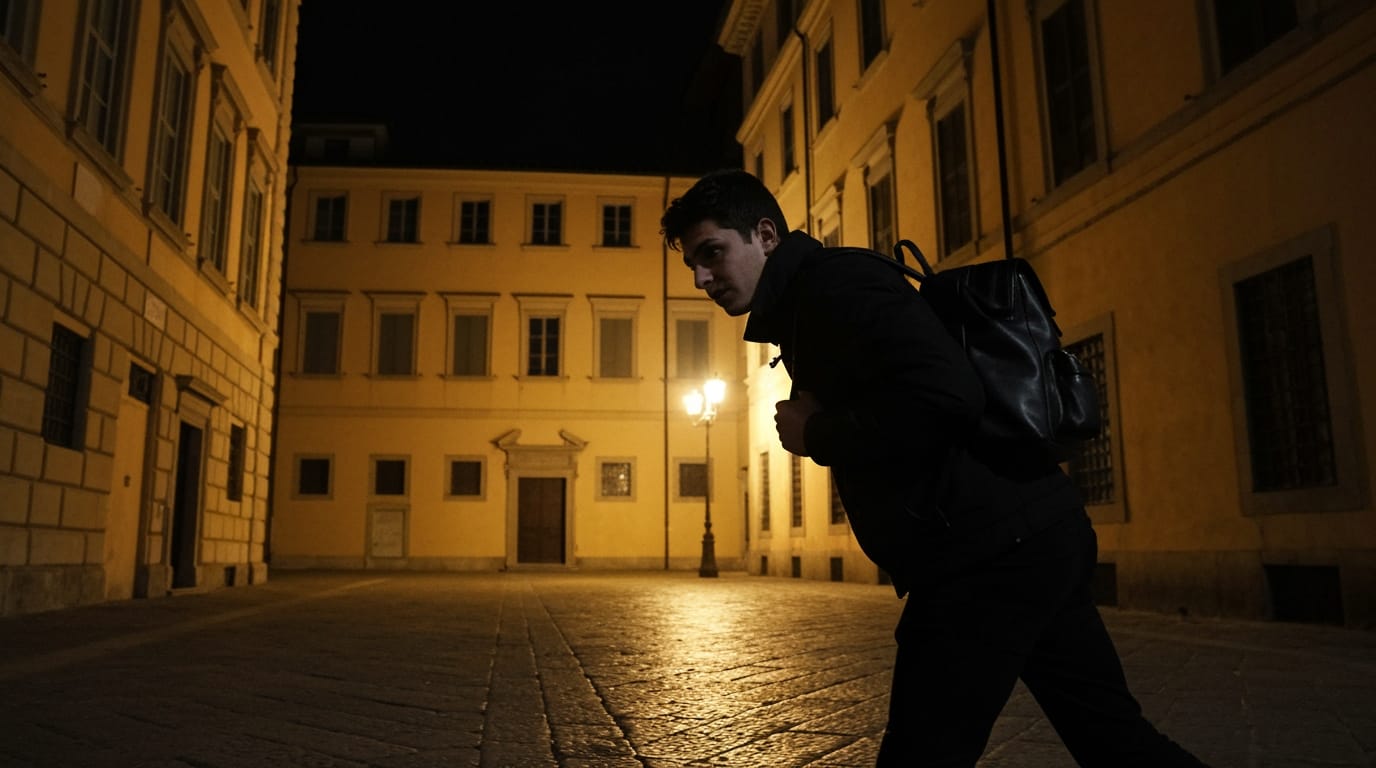
PARMA, Italy – In a brazen act of artistic larceny that has sent shockwaves through the global art community, masterworks by Renoir, Cézanne, and Matisse were snatched from the Magnani-Rocca Foundation near Parma in a meticulously executed robbery that lasted less than three minutes. The lightning-fast operation, which occurred on the night of March 23, deprived Italy of priceless pieces of Impressionist and Post-Impressionist art, valued at several million euros. Law enforcement officials describe the heist as exceptionally well-planned and organized, pointing to a level of professionalism that underscores the growing threat to cultural institutions worldwide.
The audacity of the thieves and the speed with which they operated have raised urgent questions about security protocols in even seemingly well-protected private collections. The incident is a stark reminder of the enduring allure of masterpieces for criminal organizations and the constant battle cultural heritage sites face against sophisticated art theft rings.
The Midnight Marauders: A Three-Minute Sweep
The serene setting of the Magnani-Rocca Foundation, a private museum known for its exquisite collection, was shattered last week when a team of four masked robbers breached its defenses. Acting under the cover of darkness, the perpetrators forced their way through the main entrance, swiftly navigated to a ground-floor exhibition hall, and made their escape through the museum's garden. The entire operation, from entry to exit, reportedly spanned an astonishingly brief period of under three minutes.
Among the irreplaceable treasures stolen were Pierre-Auguste Renoir's vibrant "Fish," Paul Cézanne's contemplative "Still Life with Cherries," and Henri Matisse's evocative "Odalisque on a Terrace." These works represent significant contributions to the art historical canon, making their loss a substantial blow to Italy's cultural patrimony. The rapid nature of the theft suggests that the criminals possessed intimate knowledge of the museum's layout and the precise location of their targets, indicating prior reconnaissance or possibly insider information. Police reports suggest the thieves may have been startled by a triggered alarm, as a fourth painting, presumably also a target, was left behind. This detail hints at a narrowly averted even greater loss and further emphasizes the precision and haste characteristic of the heist.
A Collection's Legacy Under Threat
The Magnani-Rocca Foundation, established in 1977, houses the revered collection of art critic Luigi Magnani. Beyond the recently stolen works, the foundation's holdings boast an impressive array of European masters, including Dürer, Rubens, Van Dyck, Goya, and Manet, making it a critical repository of cultural heritage. The theft of such prominent pieces from this esteemed institution not only represents a financial loss of several million euros but also creates an irreparable void in the public's access to and study of these pivotal artistic achievements.
Italy, a nation steeped in artistic legacy, is no stranger to the threat of art theft. Its vast and invaluable cultural heritage unfortunately makes it a prime target for illicit trafficking. The Carabinieri Art Squad, an elite unit of Italy's military police, is specifically dedicated to tracking down and recovering stolen artworks. This specialized force has an impressive track record, having retrieved millions of artifacts over the years. However, each successful heist, especially one as swift and high-profile as this, highlights the immense challenges faced by even the most vigilant security measures. The global black market for art is a multi-billion dollar industry, fueling sophisticated criminal networks that operate with efficiency and ruthlessness.
The Hunt for the Lost Masterpieces and a Global Crisis
The immediate aftermath of the theft has seen local police intensify their investigation, with a primary focus on analyzing surveillance camera footage from both the Magnani-Rocca Foundation and surrounding properties. The hope is that forensic evidence and digital footprints might lead investigators to the perpetrators and, crucially, to the recovery of the stolen paintings.
This recent Italian heist bears unsettling similarities to other high-profile art thefts in recent memory, underscoring a disturbing trend of organized crime targeting cultural institutions. Last October, the Louvre Museum in Paris experienced a significant jewelry heist, where $100 million worth of precious items were stolen in less than eight minutes by a similarly coordinated group of four robbers. While seemingly distinct in their targets, both incidents share the hallmarks of professional planning and rapid execution, suggesting a common operational methodology among these criminal enterprises.
Another notable event was the 2015 theft from the Castelvecchio Museum in Verona, where 17 masterpieces, including works by Rubens, Tintoretto, and Mantegna, valued at $17.7 million, were stolen by armed robbers. In that case, the paintings were recovered in Ukraine in 2016, and the investigation revealed the involvement of museum insiders, including a security guard. The Verona mayor at the time suggested the theft was likely "to order" by a private collector, a theory often floated in the context of high-value art thefts where the pieces are too recognizable to be openly sold on legitimate markets. This "art for ransom" or "art for private collection" motive often makes recovery even more complex, as the stolen items disappear into opaque networks.
The recovery of the Castelvecchio paintings offers a glimmer of hope for the Magnani-Rocca Foundation's lost treasures, demonstrating that even seemingly vanished masterpieces can sometimes be brought back. However, the reality remains that many stolen artworks disappear without a trace, becoming ghosts in the art world's history, their whereabouts a constant source of speculation and regret.
Upholding Vigilance in the Face of Vulnerability
The audacious theft from the Magnani-Rocca Foundation serves as a sobering reminder of the constant vulnerability of cultural institutions, even those with robust security measures. The sheer speed and precision of the operation highlight the evolving sophistication of art criminals who view masterpieces as high-value, albeit risky, commodities. As investigations continue, the art world waits with bated breath for any news of the lost Renoir, Cézanne, and Matisse. Beyond the immediate loss, this incident underscores the critical need for continuous innovation in security protocols, international cooperation among law enforcement agencies, and unwavering vigilance to protect the world's shared artistic heritage from those who seek to exploit it. The battle to safeguard these invaluable treasures is an ongoing one, demanding a collective commitment to preservation in the face of persistent threats.


