Ivory Coast Star Elye Wahi Barred from Canada World Cup Match Amid Betting Probe
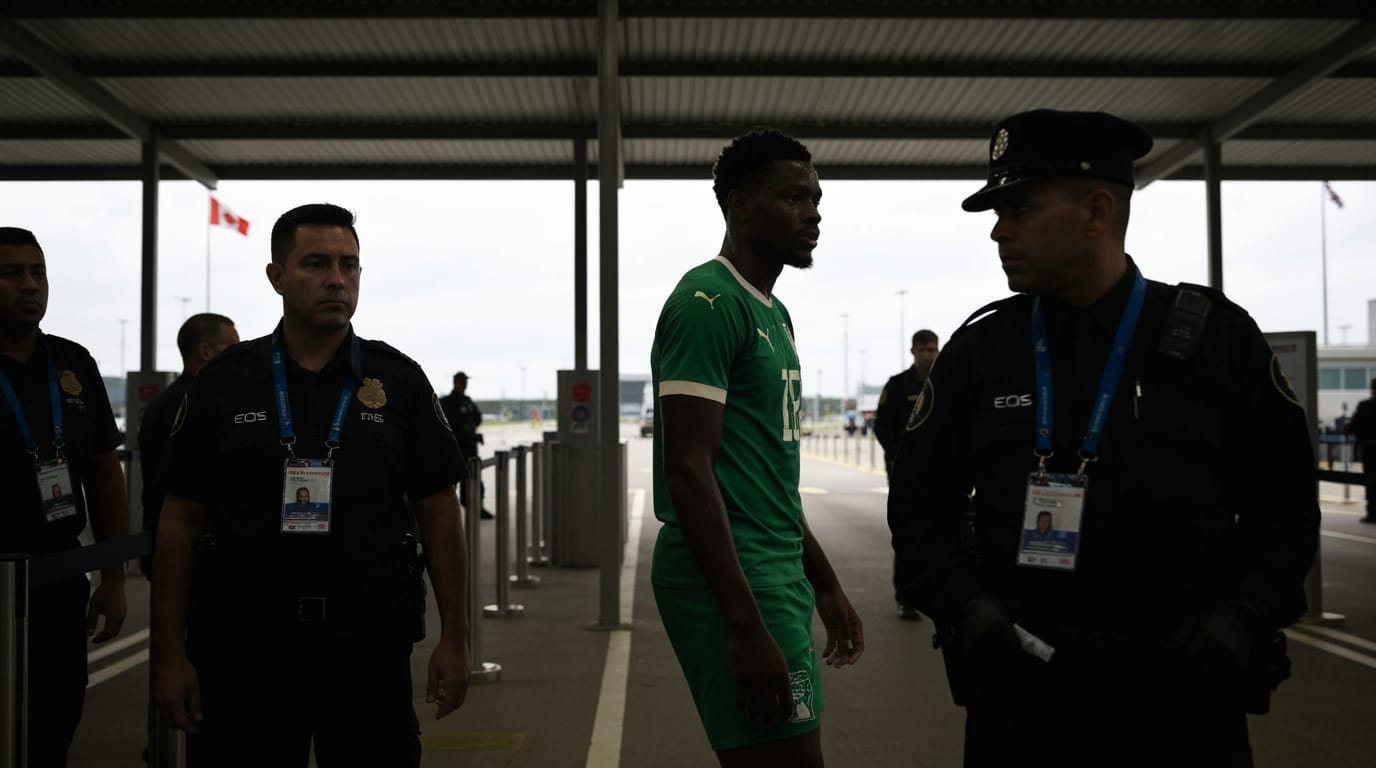
Ivory Coast's promising striker, Elye Wahi, will miss his nation's crucial World Cup match against Germany in Toronto after Canadian authorities denied him entry, citing an ongoing French investigation into alleged betting-related offenses. The unexpected development on Thursday has cast a shadow over the Ivorian squad as they prepare for a key Group E encounter, highlighting the complex intersection of international sport, national law, and player conduct.
The Ivorian Football Federation (FIF) confirmed that Wahi would not be able to travel with the team for the Saturday match, stating that "the necessary administrative authorizations for his entry into Canadian territory could not be obtained at this stage." Wahi, who started in Ivory Coast's opening 1-0 victory against Ecuador in Philadelphia on Monday, will remain in the United States while his teammates proceed to Canada. His absence deprives the team of a significant attacking force for a pivotal game, forcing coach Emerse Fae to adjust strategies in a high-stakes competition.
The denial of entry stems from an active French investigation into alleged spot-fixing and organized sports corruption. The probe centers on unusual betting patterns identified during a French Ligue 1 game on May 17, 2026, between Wahi's club, Nice, and Metz. Authorities noted an "unusual amount of bets" placed internationally on Wahi receiving a yellow card during that match, a scenario that ultimately transpired. The French football league (LFP) was alerted by partners monitoring betting markets and subsequently passed this information to relevant police and gambling authorities, as well as the French Football Federation.
As part of this ongoing investigation, the 23-year-old forward was arrested and questioned by French police on May 29, 2026. While he was released without being detained or formally charged, the Marseille prosecutor's office confirmed the investigation concerns "alleged offenses of organized fraud, organized sports corruption, receiving stolen goods, and money laundering." Despite these serious allegations, the Ivorian Football Federation stated it had not been officially notified "of any judicial or administrative proceedings" concerning Wahi. This disconnect between the ongoing investigation and the FIF's official notification status underscores a communication challenge in cross-border legal matters impacting international athletes.
Canada's strict immigration policies played a decisive role in Wahi's denial. Canadian law typically allows authorities to refuse entry to individuals who are under criminal investigation, even if no formal charges have been laid. This contrasts with Wahi's unhindered entry into the United States for the tournament's initial phase. The 2026 FIFA World Cup, co-hosted by the United States, Canada, and Mexico, presents unique logistical hurdles for teams navigating different national legal frameworks and immigration requirements. Wahi's case is not isolated; Ghana's Thomas Partey was also reportedly denied entry into Canada earlier in the tournament due to an ongoing rape allegation case in England, highlighting a recurring issue for this multi-national World Cup. These incidents underscore the complexities of coordinating a global sporting event across borders with distinct legal systems.
In response to the situation, the Ivorian Football Federation has publicly offered its full backing to Wahi. "During this particularly delicate period, the FIF offers its full support to the player and reaffirms its confidence in him. Elye Wahi remains an important element of the Ivory Coast national team," the federation's statement read. Wahi's representatives have not yet commented publicly on the matter. The personal impact on Wahi, a young player experiencing his first World Cup amid such controversy, is significant, even as he remains an integral part of his national team's future plans.
The denial of Elye Wahi's entry into Canada serves as a stark reminder of the intricate challenges facing international sporting events, particularly when hosted across multiple nations. It highlights the tension between the fluid movement required for global competitions and the sovereign right of nations to enforce their immigration laws, especially concerning individuals under legal scrutiny. As the 2026 World Cup progresses, this incident will likely prompt discussions about standardized protocols for player eligibility and border crossings, ensuring that legal processes, sports integrity, and athletic participation can coexist transparently and efficiently. For the Ivory Coast team, the immediate focus shifts to overcoming the unexpected absence of a key player as they pursue advancement in one of football's most prestigious tournaments.


