Japan's Historic Defense Pivot: New Weapons Deals Reshape Indo-Pacific Security Landscape
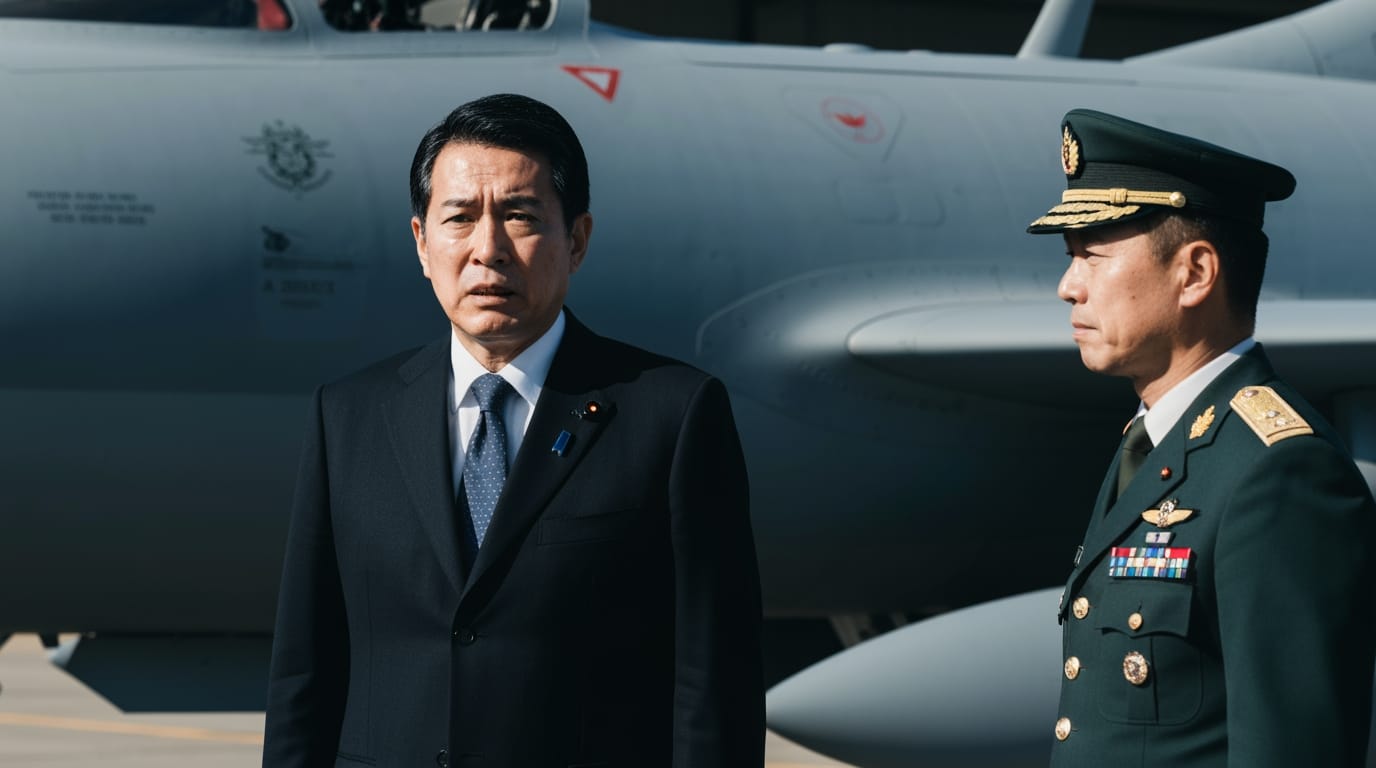
Tokyo, Japan – In a monumental departure from its decades-long post-World War II pacifist defense policy, Japan has dramatically overhauled its arms export regulations, clearing the path for the sale of lethal weapons and advanced military technology to allied nations. This strategic shift, driven by escalating regional security threats and a desire to bolster its defense industry, is poised to redefine Japan's role in global security and significantly impact the geopolitical dynamics of the Indo-Pacific.
For nearly 80 years, Japan adhered to strict self-imposed restrictions on military exports, limiting transfers primarily to non-lethal equipment. However, a cabinet decision in April 2026 abolished these limitations, enabling Tokyo to export a full spectrum of defense equipment, including warships, missiles, and fighter jets, to the 17 countries with which it has defense equipment and technology transfer agreements. This unprecedented move reflects a growing conviction within Japan that its security is inextricably linked to the stability of its partners and the broader international community in an increasingly volatile world.
A Strategic Response to a Shifting Global Order
Japan's re-evaluation of its defense posture is a direct consequence of a deteriorating security environment in the Indo-Pacific and beyond. The rapid military buildup and assertive territorial claims by China, particularly in the South China Sea and around Taiwan, have fueled anxieties in Tokyo and among its regional allies. Persistent threats from North Korea and the ongoing conflict in Ukraine further underscore the urgency for Japan to enhance its deterrent capabilities and those of its partners.
This policy evolution began gradually, with initial relaxations in 2014 to allow limited transfers of non-lethal gear. Further easing occurred in 2023 and 2024 to facilitate specific agreements, such as the sale of Patriot air-defense missiles to the United States and the development of next-generation fighter aircraft with European partners. The latest, comprehensive abolition of export categories marks the most significant change yet, enabling Japan to fully integrate its advanced defense industrial base into global supply chains.
Prime Minister Sanae Takaichi, a proponent of a stronger defense posture, articulated that no single nation can safeguard its peace and security alone in the current climate. She emphasized that enabling the transfer of defense equipment would contribute to enhancing the defense capabilities of like-minded countries, ultimately preventing conflicts and securing Japan's own interests.
Forging Stronger Alliances Through Defense Cooperation
Central to Japan's new strategy is the deepening of security partnerships through arms sale diplomacy. By providing access to high-quality Japanese defense technology, Tokyo aims to strengthen interoperability, response capabilities, and deterrence with key allies across the Indo-Pacific and beyond. This approach is particularly welcomed by nations seeking to diversify their defense suppliers amidst global strains on U.S. military production.
One of the most prominent examples of this new era of cooperation is the $7 billion deal with Australia for 11 upgraded Mogami-class frigates. Three of these advanced warships will be constructed in Japan, with the remainder built in Australia, signaling a significant commitment to joint development and production. This landmark agreement is expected to foster deeper strategic ties and potentially establish a regional supply chain for the frigates, akin to the F-35 fighter jet program.
In Southeast Asia, the Philippines has expressed considerable interest in acquiring Japanese military equipment to bolster its maritime security, particularly in the contested South China Sea. Manila is reportedly exploring the purchase of decommissioned naval vessels, command and control systems, radar, drones, and air-defense missiles. This cooperation is crucial for strengthening the Philippines' domestic resilience and contributing to regional stability through deterrence. Meanwhile, Vietnam has already entered into an agreement with Japan for the transfer of defense equipment and technology, recently receiving search and rescue vehicles as part of intensified cooperation.
Beyond bilateral deals, Japan is a key player in multilateral defense initiatives. The Global Combat Air Programme (GCAP), a collaborative effort with the United Kingdom and Italy, aims to develop a cutting-edge sixth-generation stealth fighter jet, projected to enter service by 2035. This program represents a major leap in defense technology cooperation and underscores Japan's intent to contribute to advanced military capabilities on a global scale. The revised export rules are essential for enabling transfers of such jointly developed weapons to third countries.
Bolstering Japan's Defense Industrial Base
A significant economic driver behind the policy shift is the imperative to revitalize and strengthen Japan's domestic defense industry. For decades, the industry faced stagnation due to limited domestic demand and export restrictions. The new policy offers Japanese defense manufacturers the opportunity to increase production volumes, lower per-unit costs through economies of scale, and generate revenue that can be reinvested in research and development.
This boost is expected to improve Japan's long-term readiness and foster innovation in critical areas such as artificial intelligence and quantum technologies. The government is actively working to address challenges such as a historical shortage of surplus production capacity, aiming to transition the defense sector from an era of slow growth to one of expansion and international competitiveness.
Navigating Criticism and Maintaining Principles
While widely supported by allies, Japan's pivot has not been without its critics. Concerns have been raised domestically regarding the potential erosion of Japan's pacifist identity, with some warning against the risk of exacerbating conflicts or contributing to a regional arms race. China has also voiced strong criticism, accusing Tokyo of moving towards "remilitarization."
In response, Japan's government has affirmed its commitment to maintaining strict safeguards. Exports of lethal weapons will be subject to rigorous case-by-case approval by the National Security Council and will generally be prohibited to countries engaged in active armed conflicts. Exceptions may be made under "exceptional circumstances" where national security is deemed paramount, but stringent conditions, including limits on re-exports and adherence to the UN Charter, will remain in place.
A New Chapter in Global Security
Japan's decision to embrace a more active role as an arms exporter marks a watershed moment in its post-war history. It signals a pragmatic recognition of the complex and challenging global security environment, where traditional notions of defense and international cooperation are being reshaped. By leveraging its advanced technological capabilities and strengthening alliances through defense equipment transfers, Japan aims not only to secure its own interests but also to contribute more substantially to the peace and stability of the Indo-Pacific and the wider international community. This strategic pivot ushers in a new chapter, one where Japan is poised to become a more significant player in shaping the future of global security architecture.


