Japan's Ruling Party Gambles on Snap Election Amidst Economic Headwinds and Political Scrutiny
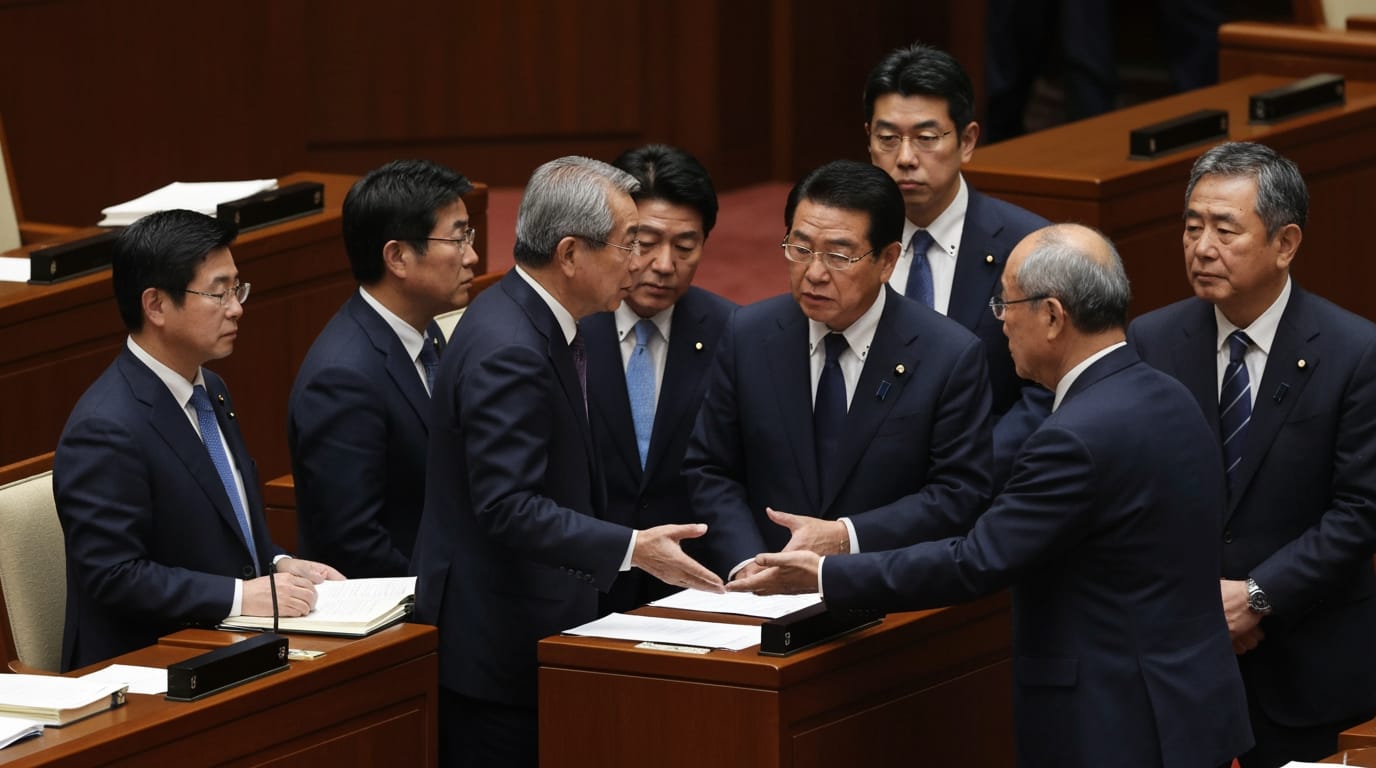
TOKYO – Japan's political landscape is poised for a significant shake-up as Prime Minister Sanae Takaichi, the nation's first female leader, dissolved the lower house of parliament on Friday, January 23, 2026, paving the way for a snap general election on February 8. The audacious move comes just three months into her premiership and signals a high-stakes gamble by the ruling Liberal Democratic Party (LDP) to capitalize on Takaichi’s elevated personal approval ratings despite persistent challenges facing the party and the nation. The unexpected election seeks to secure a stronger mandate for the government's agenda amidst a fragile parliamentary position, a struggling economy, and a series of political scandals that have eroded public trust in the LDP.
A Calculated Risk: Leveraging Personal Popularity
Prime Minister Takaichi's decision to call an early election, well ahead of the scheduled October 2028 date, is widely seen as a strategic maneuver to transform her considerable personal popularity into a more robust parliamentary majority for the LDP and its coalition partner, the Japan Innovation Party (JIP). Since taking office in October 2025, Takaichi has maintained strong approval ratings, hovering around 70 percent, with an unprecedented 90 to 92 percent support among younger voters under 30. This personal appeal stands in stark contrast to the LDP's own lower approval figures, which have been battling a string of scandals and declining public confidence.
The Prime Minister's supporters view the snap election as an opportunity to secure a decisive public mandate for her administration's policies, particularly those aimed at shielding households from rising living costs and increasing defense spending. Her assertive foreign policy, including remarks on Taiwan that sparked a diplomatic crisis with China, has also resonated with domestic audiences, burnishing her image as a strong leader. However, critics have denounced the timing as "selfish," arguing that it risks delaying the parliamentary passage of the crucial fiscal 2026 budget and the implementation of vital price relief measures needed to address the nation's economic woes.
Economic Strain and Public Discontent
Japan's economy is grappling with a complex array of challenges, serving as a backdrop to the political maneuvering. The nation has seen a surge in living costs and a chronically weak yen, making imports more expensive. Core inflation rose to 3.1 percent for all of 2025, marking the fourth consecutive year it has exceeded the Bank of Japan's 2 percent target. Despite strong nominal wage gains, real wages have declined, further squeezing household budgets.
To counter these pressures, Takaichi's cabinet approved a record 122.3-trillion-yen ($770 billion) budget for the fiscal year starting April 2026. Additionally, a key campaign promise involves a temporary cut to the sales tax on food for a two-year period, a measure aimed at alleviating the burden on consumers. This fiscal approach, however, raises concerns about Japan's already substantial public debt, projected to exceed 230 percent of GDP in fiscal year 2025-26. The economic situation, characterized by slowing growth (projected at 0.6 percent for 2026) and persistent inflationary pressures, remains a central concern for voters and a potential vulnerability for the ruling party.
LDP's Eroding Foundation and Scandal Fatigue
The LDP faces a significant internal struggle, battling not only low institutional approval ratings but also the lingering shadow of multiple political scandals. A "slush fund" scandal involving unreported political fundraising revenues has particularly fueled public distrust. Furthermore, the party's past connections to the controversial Unification Church have continued to draw scrutiny and public disapproval.
The ruling coalition's parliamentary position has been tenuous. Having lost its majority in the powerful lower house in 2024 and subsequently in the upper house in July 2025, the LDP-JIP alliance currently holds a slim 233-seat majority in the 465-member lower chamber. This erosion of power in both houses marks the first time since its founding in 1955 that the LDP has found itself without a majority in either legislative body. The snap election is an attempt to reverse these losses and establish a more stable governing majority.
Opposition's Divided Front and Emerging Challengers
The opposition parties, while critical of the government's actions, remain largely fragmented, potentially limiting their ability to mount a unified and formidable challenge. The recently formed Centrist Reform Alliance (CRA), comprising the Constitutional Democratic Party of Japan (CDP) and Komeito, represents an effort to consolidate moderate votes. CDP leader Yoshihiko Noda described the alliance as an "offensive strategy" against the ruling coalition's conservatism. However, the CDP's own approval ratings have been sluggish, standing at 4.2 percent in January, significantly lower than the LDP's 22.5 percent.
The political landscape has also seen the rise of new, issue-driven parties, particularly among younger voters. Immigration has emerged as a charged topic, with the Takaichi government already approving policies to crack down on illegally staying foreigners and curb overtourism. While the opposition also advocates for tax relief, their ability to present a cohesive alternative to the long-dominant LDP remains a critical question as the nation heads to the polls.
The Path Ahead
Prime Minister Takaichi's gamble on a snap election reflects a calculated attempt to consolidate power and overcome the vulnerabilities of her party. By leveraging her strong personal approval, particularly among younger demographics, she aims to secure a mandate that will allow her to push through her ambitious policy agenda, including economic reforms and increased defense spending.
However, the election's outcome is not predetermined. The LDP still grapples with a damaged brand image due to lingering scandals and public discontent over the economy. The fragmented but evolving opposition, even with their lower individual approval numbers, could still pose a challenge if they manage to effectively tap into voter anxieties. The upcoming weeks will test whether Takaichi's personal popularity can translate into a stable and decisive victory for the LDP, or if Japan's volatile political climate will yield further uncertainty.


