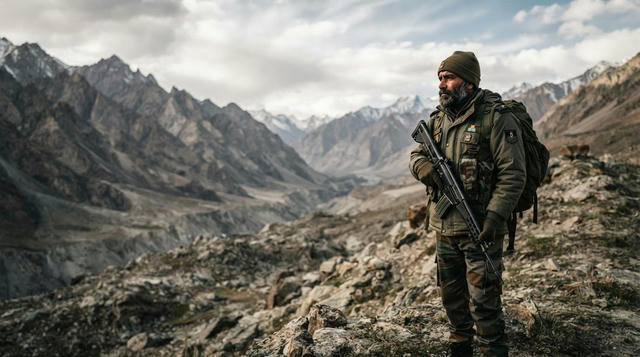
Jihadists Attack Central Nigerian Villages, Dozens Killed and Abducted During Friday Prayers
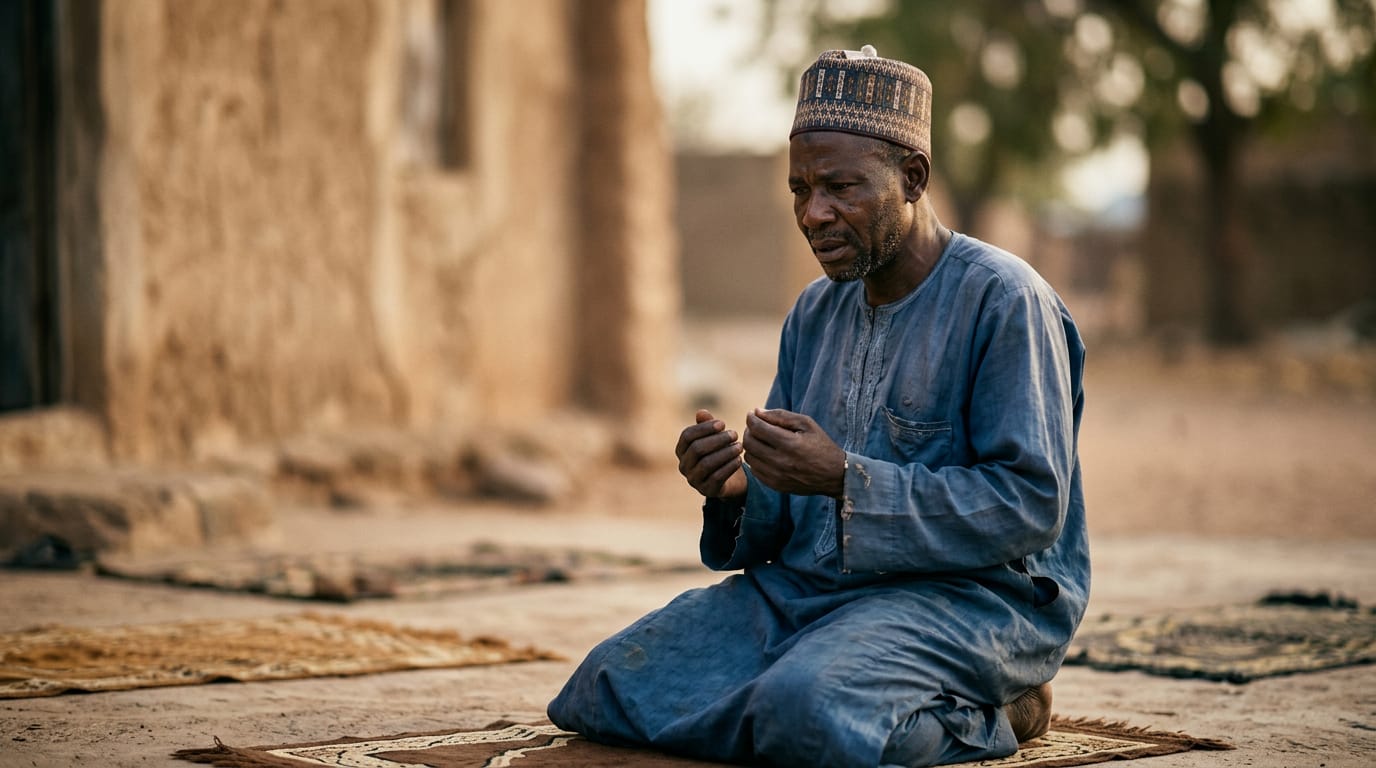
DIKERA, Niger State, Nigeria – In a brutal assault that highlights Nigeria's spiraling security crisis, jihadist militants attacked two villages in central Nigeria's Niger state during Friday prayers, killing and abducting scores of residents. The incident occurred in Dikera and the nearby village of Binzi, located in the Borgu local government area, a region near Nigeria's western border with Benin. The exact number of casualties and those abducted remains unconfirmed, but survivors reported a horrific scene of violence and forced displacement.
The attack, attributed primarily to the armed group known as Lakurawa, saw hundreds of militants descend upon the communities, wielding guns, knives, and machetes shortly after congregants concluded their Friday prayers. Witnesses described the assailants slaughtering some villagers, accusing them of not adhering to what the militants termed "the true teachings of Islam." This latest atrocity underscores the persistent threat posed by extremist groups across Africa's most populous nation, which has grappled with a 17-year insurgency.
The Coordinated Assault and a Fortuitous Clash
Survivors recounted the terror as the Lakurawa fighters stormed Dikera village. Jibril Ahmad, a resident who escaped the attack, described how the armed group, "in their hundreds," initiated their assault immediately after Friday prayers, leading to the killing and abduction of many. The militants also targeted the adjacent village of Binzi. Among those reportedly killed and kidnapped were young men, heads of households, and even a chief imam and a village head who had recently been released from prior captivity.
Amidst the chaos, a remarkable turn of events unfolded that allowed some captives to escape. Another jihadist faction, identified as Mahmuda, intervened and clashed with the Lakurawa fighters. Federal representative Jafaru Mohammed indicated that members of the Mahmuda group were ideologically opposed to the Lakurawa's doctrine, leading them to confront the attackers. This internal conflict among militant groups provided a narrow window for some villagers to flee into the surrounding bushes, an unexpected reprieve from the brutal assault.
The Growing Shadow of Extremism in Nigeria's Center
This recent attack deviates from the traditional strongholds of jihadist activity, which have historically been concentrated in Nigeria's northeastern region. The incident in Niger state, near the western border, signifies a concerning geographical expansion of militant operations and an increase in activity by various armed groups and militants migrating from the neighboring Sahel region. Researchers have linked the shadowy Lakurawa group to the Islamic State Sahel Province (ISSP), a formidable entity active across Burkina Faso, Mali, and Niger. These groups are known for imposing "taxes" on local farmers and herders, often extorting produce or cattle, further destabilizing already vulnerable communities.
Mass abductions have become a hallmark tactic of jihadist groups in Nigeria, a strategy tragically exemplified by the 2014 kidnapping of hundreds of schoolgirls in Chibok. The ongoing insurgency has stretched Nigeria's military forces, which face multiple overlapping conflicts across the country. This overextension is evident even with previous government claims, such as the alleged dismantling of the Mahmuda group last year, a group that unexpectedly played a role in the recent events.
Humanitarian Crisis and Government Response Challenges
The immediate aftermath of the attacks saw significant uncertainty regarding the precise number of casualties and abductees. While Niger state police confirmed their awareness of the kidnappings, initial reports did not include fatalities. However, local accounts from survivors and lawmakers suggested a higher toll of both killed and kidnapped individuals. The difficult terrain and poor road infrastructure in the affected areas are reportedly hindering efforts to reach the devastated communities and accurately assess the situation.
The attacks have plunged the affected villages into further despair, adding to the mounting humanitarian crisis in regions plagued by militant violence. Families are left grieving and desperate for news of their loved ones, while the wider community grapples with profound fear and insecurity. The repeated targeting of civilian populations during religious observances or in their homes underscores the systemic breakdown of security in many parts of the country and the urgent need for more effective protection measures for vulnerable populations.
A Nation Under Siege: The Unfolding Security Landscape
The brazen assault during Friday prayers serves as a stark reminder of the complex and fragmenting security landscape in Nigeria. The emergence and interaction of various militant groups, some with overlapping ideologies and others with doctrinal differences, contribute to an unpredictable and volatile environment. While the Nigerian government continues its efforts to combat these insurgencies, the persistent ability of these groups to carry out large-scale attacks, coupled with their expanding geographical reach, presents an immense challenge. The international community continues to watch closely as Nigeria strives to restore peace and stability to its affected regions and protect its citizens from the escalating violence.