Jordan on the Brink: A Frontline in the Escalating US-Iran Confrontation
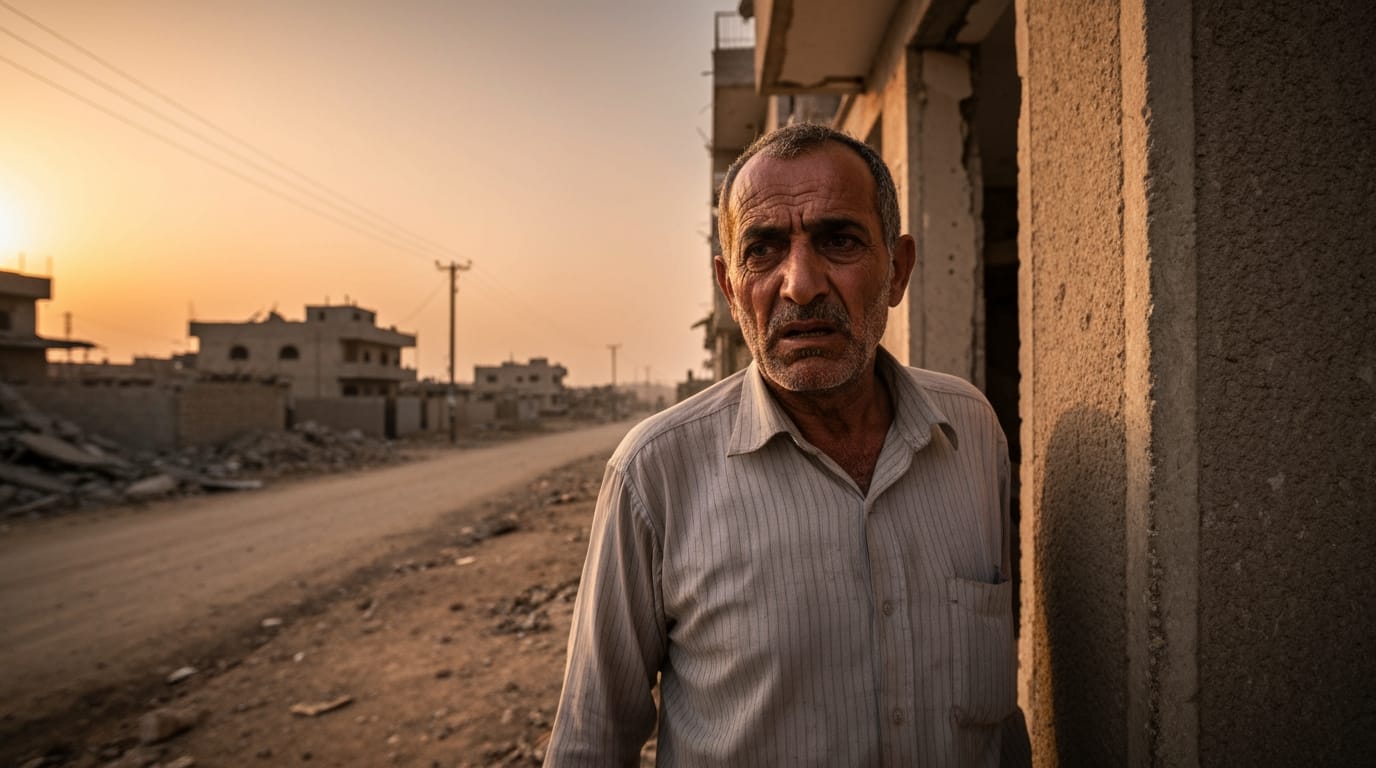
AMMAN, Jordan – The Hashemite Kingdom of Jordan, long a bedrock of stability in a tumultuous Middle East, finds itself increasingly ensnared in the intensifying conflict between the United States and Iran. Recent direct attacks on U.S. military installations within its borders, resulting in American casualties, have thrust Jordan onto the perilous frontline of a regional rivalry with far-reaching implications for its national security and the broader geopolitical landscape. This escalation marks a significant departure from Jordan's traditional role as a diplomatic mediator, placing immense pressure on a nation already grappling with profound internal challenges.
The Shifting Sands of Conflict: Direct Attacks on Jordanian Soil
The long-simmering tensions between Washington and Tehran have manifested violently on Jordanian territory, escalating a regional shadow war into direct confrontation. A pivotal moment occurred in January 2024, when an Iranian-backed militia, identified as the Islamic Resistance in Iraq, launched a drone attack on Tower 22, a U.S. military outpost in northeastern Jordan. This strike tragically killed three American service members and injured dozens more, marking the first time U.S. troops were killed by enemy fire since the onset of the Gaza conflict. The incident underscored the vulnerability of American forces stationed in the kingdom and signaled a dangerous new phase in Iran's regional strategy.
The situation further deteriorated in July 2026, with a series of missile and drone attacks attributed to Iran targeting U.S. forces in Jordan. On July 17, an Iranian ballistic missile strike on Muwaffaq Salti Air Base in Jordan claimed the lives of three more American service members and wounded others. Satellite imagery subsequently revealed substantial damage to the air base, including the destruction of multiple aircraft shelters and drone facilities, indicating a precision and scale of attack far exceeding initial reports. These recent aggressions, alongside strikes on Kuwait and Bahrain, highlight a deliberate expansion of Iran's targeting to include key U.S. allies and military assets in the region. The escalating frequency and lethality of these attacks have made it clear that Jordan is no longer merely a bystander but a direct theater in the US-Iran rivalry.
Iran's Expanding Shadow: A Multifaceted Destabilization Campaign
Iran's efforts to exert influence and destabilize Jordan extend beyond direct military attacks, employing a sophisticated, multifaceted strategy. Iranian-backed militias, particularly those operating from Iraq's Anbar Province, have positioned themselves close to both the Jordanian and Syrian borders. These groups are heavily involved in the illicit trafficking of drugs, notably Captagon, and arms across Jordan's porous frontiers. This smuggling not only generates revenue for Iran's malign activities but also strains Jordan's security resources and fosters internal instability.
Intelligence reports suggest Iran is actively seeking to arm local elements and cultivate support within Jordan, aiming to undermine the monarchy's stability and establish a "ring of fire" around Israel. Threats from groups like Kata'ib Hezbollah to arm 12,000 Jordanian militants with sophisticated weaponry, if given the green light by Hamas or Islamic Jihad, underscore the severity of this subversive campaign. These actions demonstrate a clear intent by Tehran to leverage existing grievances and regional conflicts, particularly the Gaza War, to deepen its foothold and extend its strategic reach through Jordan to the Mediterranean.
Jordan's Pivotal Role and Precarious Position
Jordan's unique geographical position at the nexus of Asia, Africa, and Europe—bordering Syria, Iraq, Saudi Arabia, and Israel—has historically endowed it with strategic importance. This location, however, also renders it exceptionally vulnerable to regional conflicts. The Hashemite Kingdom has long been a staunch ally of the United States, maintaining a robust security partnership that dates back decades. The U.S. has provided Jordan with substantial military and economic aid, totaling billions of dollars, making it one of the largest recipients of American assistance. This aid supports Jordan's legitimate defense needs, including border integrity, counterterrorism efforts, and its participation in coalition operations against groups like ISIS.
American military presence in Jordan, including at bases like Muwaffaq Salti Air Base, serves a crucial role in regional security, facilitating joint training, drone surveillance, and rapid response to cross-border threats. The 2021 Defense Cooperation Agreement between the two nations further solidifies this strategic partnership. Jordan's stability is seen by both Washington and its Gulf allies as essential for regional security, especially given its consistent moderation and peace brokering efforts in the Middle East.
Despite its strategic value and strong alliances, Jordan finds itself in a precarious balancing act. While historically striving to avoid direct entanglement in regional conflicts, the recent direct targeting of its territory by Iranian-backed forces is forcing its hand. The Jordanian government has condemned Iranian attacks, intercepted incoming missiles, and warned that its security and sovereignty are "a red line". This firm stance, however, comes with the risk of further provoking Iran and drawing Jordan deeper into the conflict.
Internal Pressures and the Diplomatic Tightrope
The external pressures on Jordan are compounded by significant internal challenges. The Gaza War has profoundly impacted Jordanian society, leading to widespread public alarm and reinvigorating opposition movements. Many Jordanians, a significant portion of whom are of Palestinian descent, feel a deep emotional strain from the events in Gaza, fueling protests and anti-Israeli sentiment. This public outrage also extends to questioning the U.S. military presence, with some Jordanians debating whether hosting American forces makes the kingdom a legitimate target for Iranian retaliation. The American presence, while providing security, has inadvertently turned military installations inside Jordan into targets, effectively making Jordan a direct party to the conflict in the eyes of Iran and its proxies.
Economically, Jordan is already under severe strain, exacerbated by regional conflicts and the influx of refugees from Syria and Iraq. High unemployment rates, a significant public debt, and dwindling tourism revenues further limit the government's room for maneuver. The cost of living crisis and reduced international funding for refugees add to the socio-economic burden, creating fertile ground for dissent. Maintaining a delicate balance between its Western allies and its Arab populace, while navigating the complexities of the Israeli-Palestinian conflict and Iranian aggression, represents an unprecedented diplomatic tightrope for the Hashemite monarchy.
Conclusion: A Critical Juncture for Regional Stability
Jordan stands at a critical juncture, increasingly vulnerable to becoming the latest frontline state in the escalating US-Iran conflict. The recent deadly attacks on U.S. forces within its borders underscore a dangerous shift, moving beyond proxy skirmishes to direct targeting on Jordanian soil. Iran's multi-pronged approach, combining military aggression with destabilizing tactics like smuggling and ideological subversion, poses an existential threat to the kingdom's long-term stability.
For the United States, Jordan's continued security and sovereignty are paramount to its strategic interests in the Middle East. For Jordan, maintaining its alliances while addressing mounting internal pressures and avoiding full-scale regional conflagration requires an increasingly delicate and assertive diplomatic and security posture. The choices made by Amman and its allies in the coming months will not only determine Jordan's fate but also have profound implications for the fragile stability of the entire Middle East.


