Justice Department Charges James Comey Over 2016 Classified Leak
The legal action marks the third federal case against the former FBI director since Donald Trump returned to the White House.
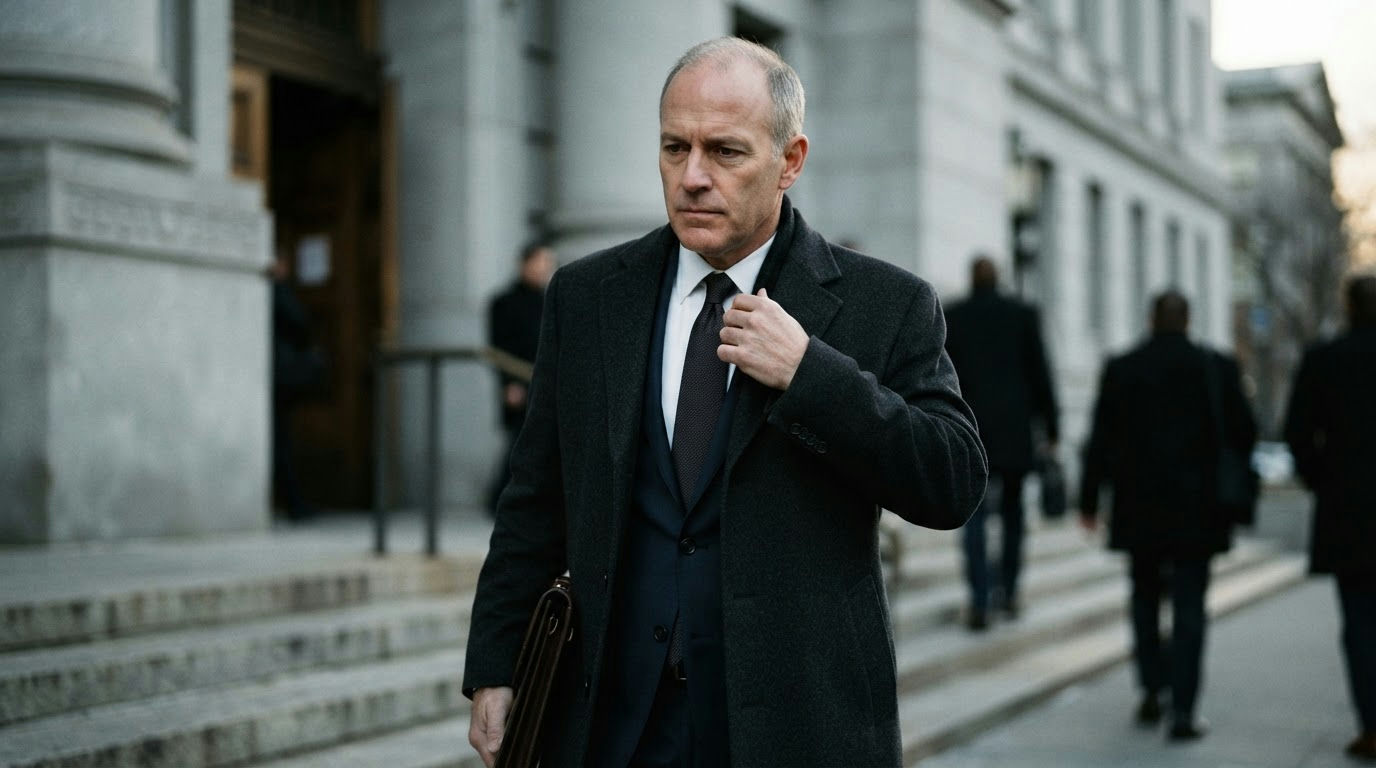
The U.S. Department of Justice charged former FBI Director James Comey with two federal offenses related to the unauthorized disclosure of national defense information. Court records unsealed Monday in Washington, D.C., reveal prosecutors filed a criminal information charging Comey with unauthorized transmission and conspiracy to transmit national defense information.
Prosecutors originally filed the records under seal on Oct. 5, 2026. The government bypassed a grand jury to preserve a 10-year statute of limitations for actions that occurred in October 2016.
The filing accuses Comey of directing FBI subordinates on Oct. 5, 2016, to transmit classified material to New York Times reporter Charlie Savage. The material concerned an article about Yahoo aiding government email surveillance by adapting a spam filter. Prosecutors stated Comey disclosed the information to counter an inaccurate Reuters report published the previous day.
Comey, 65, faces a statutory maximum penalty of 10 years in prison on each count, totaling up to 20 years. In a video statement, Comey said he is innocent and does not fear the administration. He described the prosecution as an appalling abuse of the Justice Department that the public should reject.
Patrick Fitzgerald, lead defense counsel for Comey, called the charging document legally defective and said Comey did not commit the offenses. Fitzgerald noted that investigators examined the allegations twice during Trump's first presidency and decided against charges. Defense attorneys filed a motion to dismiss, arguing the government cannot bypass a grand jury to beat the statute of limitations.
A Justice Department spokesperson said using a criminal information to toll a statute of limitations is an established tool affirmed by appellate courts. The spokesperson declined further comment on the active investigation. Special Assistant U.S. Attorney Dustin Farahnak filed the government's opposition to the dismissal motion.
The case is the third criminal proceeding against Comey since Trump began his second term in 2025. Comey led the FBI from 2013 until Trump fired him in May 2017. In 2019, the Justice Department inspector general found Comey violated policy with memos regarding Trump, but prosecutors declined charges.
In September 2025, prosecutors in Virginia indicted Comey for allegedly making false statements to Congress. A judge dismissed that case because interim U.S. Attorney Lindsey Halligan was unlawfully appointed. In April 2026, a North Carolina grand jury indicted Comey for allegedly threatening the president with a social media photo of seashells arranged to spell 86 47.
U.S. District Judge Trevor McFadden must rule on the defense motion to dismiss the case. If the case survives, prosecutors must obtain a grand jury indictment under the Fifth Amendment. Comey's North Carolina case awaits review of selective prosecution motions ahead of a trial scheduled for early 2027.