Russia and Ukraine Begin Temporary Ceasefire in Occupied Town of Oleshky
The localized truce allows relief teams to reach up to 2,000 trapped civilians who face acute shortages of food, drinking water and medicine.
Russia and Ukraine began a localized ceasefire in the Russian-occupied town of Oleshky early Tuesday morning. The pause took effect at 3:00 a.m. Kyiv time on Oct. 27, 2026, across the southern Kherson sector.
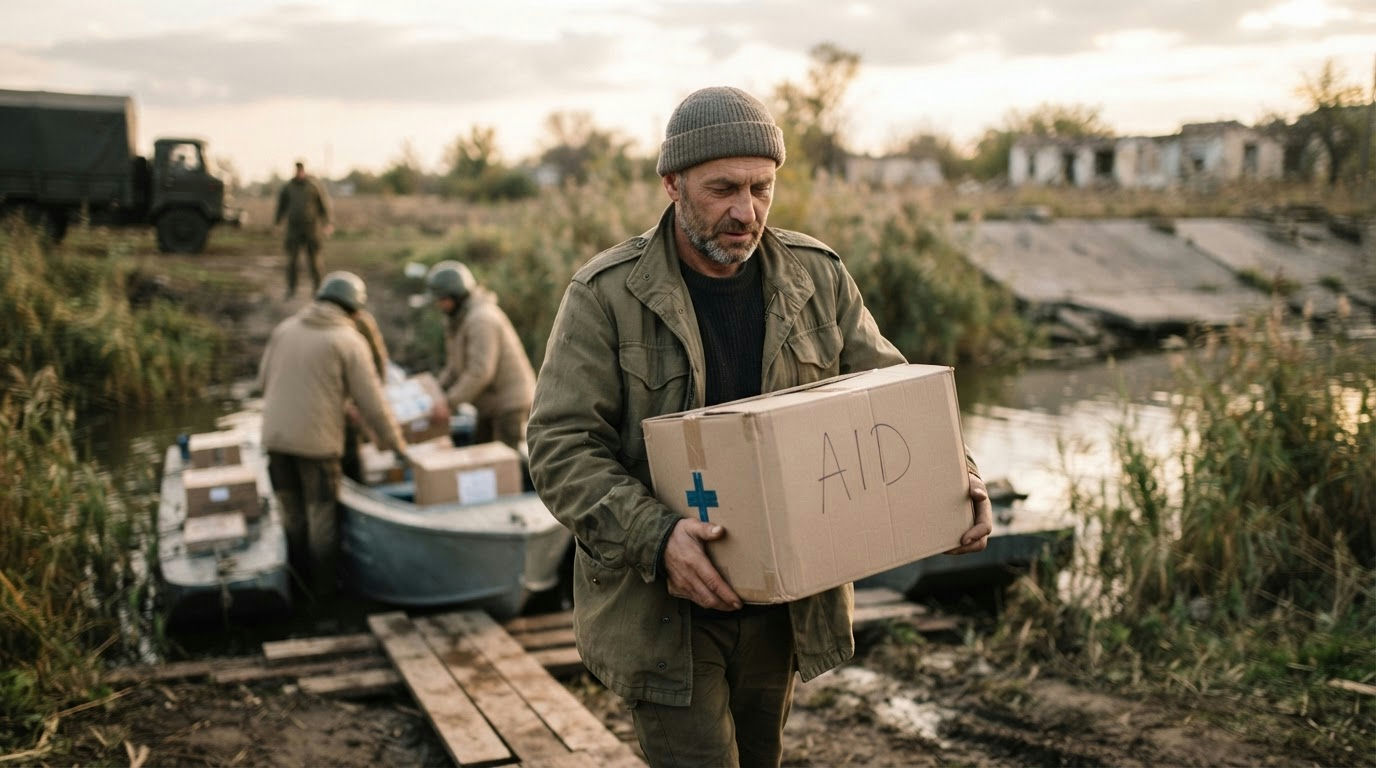
The temporary halt in fighting allows teams to clear mines, deliver food and medical aid, and evacuate stranded civilians. While fighting halted around Oleshky, Russian ballistic missile and drone strikes hit Kyiv and other Ukrainian cities early Tuesday.
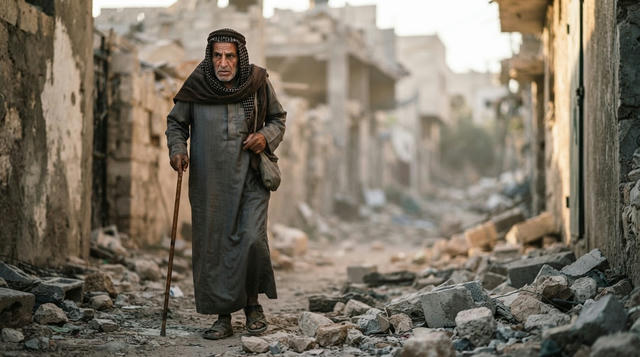
Between 1,700 and 2,000 residents remain trapped in Oleshky, according to Reuters and the White House. The town had a pre-war population of about 24,000. Most remaining residents are elderly, and about 50 children face shortages of food, clean water and medicine.
Ukrainian human rights ombudsman Dmytro Lubinets and Russian lead negotiator Yana Lantratova led talks for the truce. U.S. First Lady Melania Trump acted as an intermediary to help broker the terms of the agreement.
The Russian Ministry of Defence announced a halt to shelling toward Kherson to prepare for the relief mission. Russian Gen. Valery Gerasimov said military forces would facilitate safe passage for humanitarian convoys into the town.
Lubinets confirmed that Ukrainian forces were honoring their commitments and that both sides adhered to the timetable. The White House stated that civilian teams will visit residents at home to assess needs and provide transport to Ukraine or Russia.
The Russian Defense Ministry said Ukrainian forces hit Oleshky with artillery 18 times and launched over 120 drone strikes last week. Ukraine previously countered that Russian forces blockaded humanitarian access to the area.
Russian forces occupied Oleshky in February 2022 during the initial days of the invasion. The town sits on the eastern bank of the Dnipro River opposite Kherson. About 90 percent of the town flooded in June 2023 after the collapse of the Kakhovka Dam.
Front-line mines and river drone surveillance completely cut off civilians from utility services and relief convoys. Pope Leo XIV, United Nations rights chief Volker Türk and the Council of Europe had previously appealed for a humanitarian corridor.
Kremlin officials said the localized pause could serve as a model for similar temporary truces on other front lines.
Demining teams will clear designated access routes before relief convoys carrying doctors, water, food and medicine enter Oleshky later this week. The ceasefire remains scheduled through at least Oct. 31, ahead of anticipated trilateral diplomatic talks planned for November 2026.