Kazakhstan Approves Sweeping Constitutional Overhaul, Exit Polls Indicate
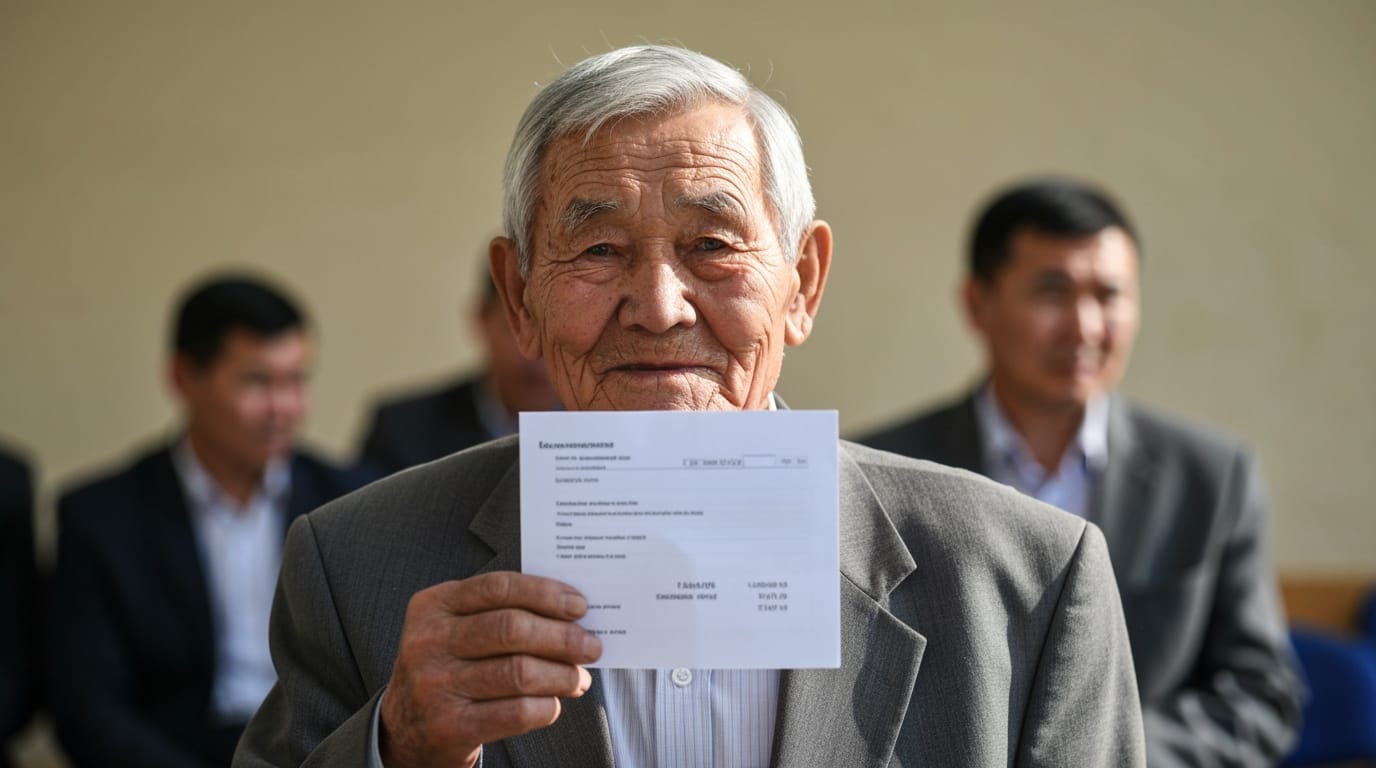
ASTANA, Kazakhstan – Voters in Kazakhstan have overwhelmingly backed a comprehensive constitutional overhaul in a nationwide referendum held on March 15, 2026, with exit polls suggesting robust public support for President Kassym-Jomart Tokayev's vision for a "New Kazakhstan." The significant ballot initiative, which proposes fundamental changes to nearly 84% of the nation's foundational document, marks a pivotal moment in the Central Asian republic's political evolution, promising to redefine its governance structure and address deep-seated calls for reform. The outcome, as projected by early surveys, signals a clear public mandate for the ambitious transformations put forth by the leadership, setting the stage for substantial institutional shifts in the coming months.
A Decisive Mandate for Change
Kazakhstani citizens turned out in large numbers on Sunday to cast their votes on a constitutional draft that President Tokayev has championed as crucial for the country's future. Exit polls released shortly after voting concluded at 8 p.m. Astana time pointed to overwhelming approval for the proposed changes. Surveys conducted by the Eurasian Institute for Integration indicated 86.7% of participating voters supported the amendments, with an estimated overall voter turnout of 75.3%. A separate exit poll by the Institute for Comprehensive Social Research – Astana Socis-A reported similar figures, showing 87.4% in favor. Another survey projected 76.7% support. These figures reflect a broad consensus among the populace for the constitutional modifications.
The Central Referendum Commission reported that as of 8 p.m., 9,126,850 citizens had received ballots, representing 73.24% of registered voters nationwide. While participation varied across regions, reaching as high as 93.04% in Kyzylorda and 87.05% in Aktobe, major cities like Astana and Almaty recorded turnouts of 60.36% and 33.43% respectively. For the new constitution to be adopted, a simple majority of votes, including blank and invalid ballots, was required, alongside majority support in at least two-thirds of the country's regions and major cities. The official results are anticipated after the Central Election Commission completes its vote count, but the initial exit poll data strongly suggests a successful passage. If approved, the new constitution is set to take effect on July 1, 2026.
Reshaping the Republic: Key Constitutional Transformations
The newly approved constitutional framework introduces a raft of significant changes designed to reshape Kazakhstan's political system. One of the most prominent reforms is the transition from a bicameral parliament, comprising the Senate and Mazhilis, to a unicameral legislature known as the Kurultai, consisting of approximately 145 deputies elected via party lists. This move aims to streamline legislative processes and enhance the efficiency of governance. Another notable reintroduction is the post of Vice President, a role abolished in 1996. This position is designed to automatically succeed the head of state in the event of an early departure. President Tokayev has stated that the reinstatement of the vice presidency is intended to strengthen government institutions rather than signal a power transfer.
Furthermore, the reforms seek to significantly bolster human rights protections within the country. The new constitution explicitly abolishes the death penalty and introduces provisions for the protection of digital and environmental rights, alongside affirming freedoms such as conscience and privacy. Kazakh is elevated to the primary state language, with Russian continuing to be used alongside it, reflecting a focus on national identity. The draft also prioritizes science, education, culture, and innovation as state principles, signaling a forward-looking approach to national development. Critically, the amendments also remove references to former President Nursultan Nazarbayev as the 'Leader of the Nation,' a symbolic yet powerful move away from the country's past.
The Shadow of January 2022 and the Path to Reform
The impetus for these sweeping constitutional changes is deeply rooted in the tumultuous events of January 2022, often referred to as "Bloody January." What began as peaceful protests against sharp increases in liquefied petroleum gas prices quickly escalated into widespread civil unrest and violent riots across the nation, particularly in the largest city, Almaty. These disturbances exposed profound public dissatisfaction stemming from economic inequality, pervasive corruption, and general discontent with the government and the lingering influence of former President Nazarbayev. The week-long unrest resulted in numerous fatalities and thousands of arrests, highlighting an urgent need for political transformation.
President Tokayev, who had assumed the presidency in 2019, responded to the crisis by pledging wide-ranging political and economic reforms, framing the constitutional overhaul as a direct response to the public's demands for a "Second Republic" and a more just society. He asserted that the reforms would facilitate a transition from a "super-presidential" system to a presidential republic with a more influential parliament and an accountable government, thereby limiting the powers of the president. The establishment of a working group and subsequent public discussions on the draft underscored a declared commitment to democratic principles and public participation in shaping the country's future.
Navigating the Future: Power Dynamics and Public Expectations
While President Tokayev has presented the constitutional amendments as a move towards greater democracy and a more balanced distribution of power, analysts offer nuanced perspectives on the potential outcomes. Some observers suggest that despite the stated aim of decentralizing power, certain aspects of the new constitution, such as the President's prerogative to appoint all members of the newly created "People's Council" (a body empowered to initiate legislation and referendums) and the stripping of the legislature's power to amend the constitution (reserving that authority exclusively for national referendums), could paradoxically strengthen the presidential authority. Concerns have also been raised that the reforms could provide a pathway for President Tokayev, currently limited to a single seven-year term until 2029, to potentially reset term limits or secure his long-term influence, despite his public denials of seeking another term.
The constitutional changes come at a delicate economic juncture for Kazakhstan. The country faces persistent economic challenges, including inflation reaching 11.7% in February and interest rates climbing to a record 18%. Tax increases have further fueled public discontent, evoking memories of the economic grievances that precipitated the 2022 unrest. The government's plans to gradually increase fuel and utility prices, after a temporary freeze following the January 2022 riots, continue to be a source of public anxiety. The effectiveness of these political reforms in fostering stability and improving daily life will largely depend on their implementation and the government's ability to address these pressing socio-economic issues.
The adoption of this new constitution marks a significant historical inflection point for Kazakhstan. It represents a bold attempt to chart a new political course in the wake of internal turmoil and evolving regional dynamics. While the referendum results indicate strong public support for the proposed changes, the true measure of their success will lie in their practical application, the enhancement of democratic institutions, and their capacity to address the multifaceted challenges confronting the nation. The coming months will be crucial as Kazakhstan embarks on the complex process of implementing these ambitious reforms and striving to fulfill the promise of a "New Kazakhstan" for its citizens.


