Kenyan Social Entrepreneur Wawira Njiru Honored with Prestigious German Africa Prize
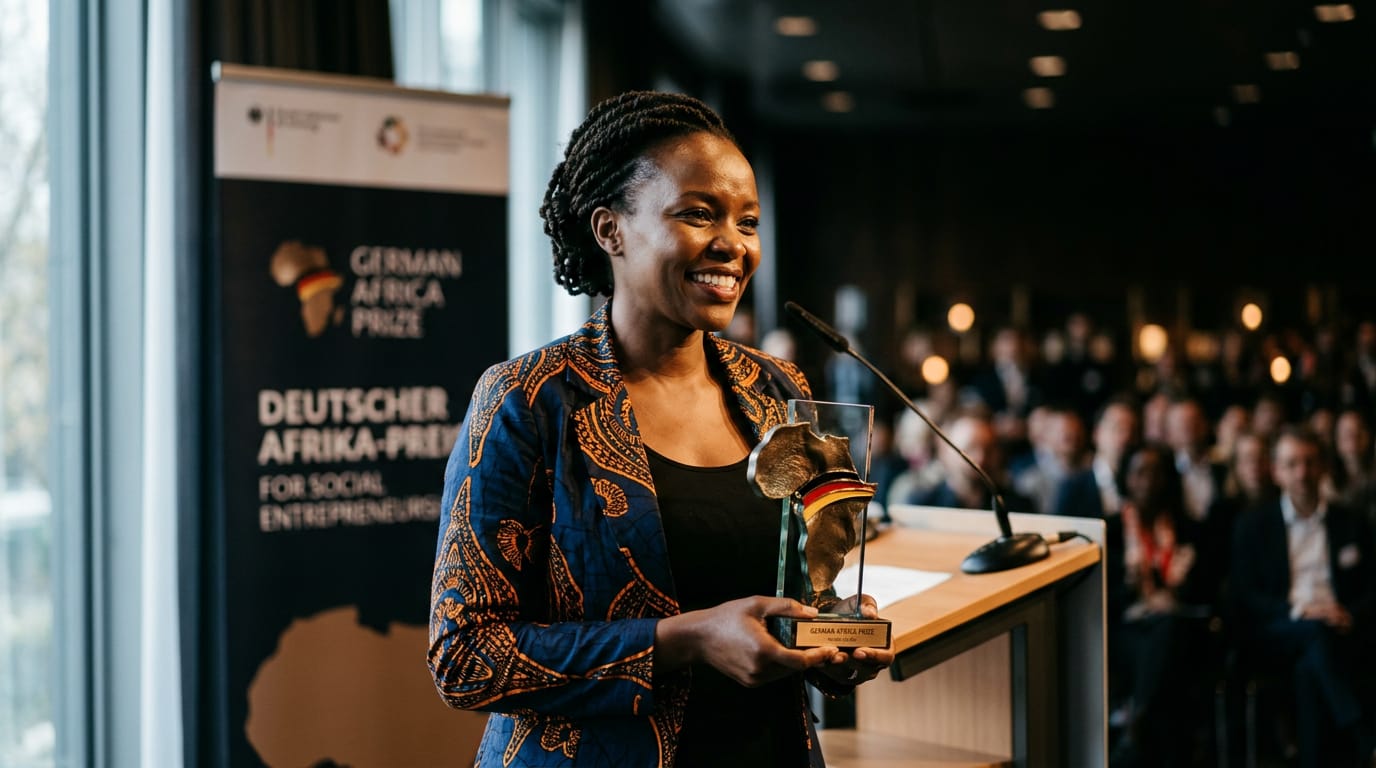
BERLIN, GERMANY – Wawira Njiru, a pioneering Kenyan social entrepreneur, has been awarded the esteemed German Africa Prize, recognizing her transformative efforts in addressing child hunger and bolstering agricultural sustainability across Kenya. The German Africa Foundation announced the accolade, celebrating Njiru's innovative approach to nourishing hundreds of thousands of schoolchildren while simultaneously empowering local farmers. This significant international recognition underscores the growing global acknowledgment of African-led solutions to complex societal challenges.
Njiru’s work, which seamlessly intertwines social welfare with economic development, represents a compelling model for sustainable impact on the African continent. Her initiative, designed to provide nutritious meals to vulnerable children, has not only improved health and educational outcomes but has also created a robust value chain that benefits rural communities. The prize highlights her dedication and the profound ripple effect of her commitment to fostering a healthier, more educated generation, powered by a resilient local economy.
The Visionary Behind the Movement: Wawira Njiru
Wawira Njiru founded her organization with a clear vision: to ensure that no child goes to school hungry and that local farmers have a stable market for their produce. Her approach tackles two critical issues simultaneously: food insecurity among schoolchildren and economic precarity for smallholder farmers. By creating a direct link between these two groups, Njiru has engineered a system that is both deeply empathetic and remarkably efficient. The impact of her model has resonated far beyond the immediate beneficiaries, influencing broader discussions on food systems and social enterprise in Africa.
Her journey began with a profound understanding of the challenges faced by Kenyan children, many of whom attend school on an empty stomach, impairing their ability to learn and thrive. Concurrently, she recognized the struggles of local farmers who often contend with unpredictable markets and low prices for their harvests. Njiru’s solution was to build an ecosystem where these challenges mutually resolve each other. This thoughtful integration of social and economic objectives distinguishes her work and aligns with the core values of sustainable development.
Nourishing Bodies, Cultivating Futures
At the heart of Njiru’s initiative is a meticulously organized system that sources fresh, local ingredients directly from farmers and transforms them into balanced meals for schoolchildren. This direct procurement model guarantees a consistent income for farmers, enabling them to invest in their land and improve their livelihoods. The meals, delivered daily to schools, provide essential nutrition, which studies have consistently shown to improve student concentration, attendance, and academic performance.
The scale of Njiru’s operation is particularly noteworthy. Her organization currently provides meals for hundreds of thousands of schoolchildren across various regions of Kenya. This extensive reach requires sophisticated logistics, rigorous quality control, and strong community engagement. By prioritizing local sourcing, Njiru's model not only ensures the freshness of ingredients but also injects vital capital directly into local economies, creating jobs and fostering economic stability in agricultural communities. This virtuous cycle strengthens food security at the grassroots level, building resilience against external shocks. Her efforts exemplify how localized solutions, when scaled effectively, can generate widespread positive change.
The German Africa Prize: A Legacy of Recognition
The German Africa Prize, awarded annually by the German Africa Foundation, is one of the most distinguished accolades celebrating outstanding contributions to peace, democracy, human rights, and sustainable development on the African continent. Established in 1993, the prize aims to foster a deeper understanding of Africa in Germany and to honor individuals who embody leadership and innovation in their respective fields.
Over the years, the prize has recognized a diverse group of African leaders, thinkers, and activists. Past recipients include prominent figures such as Botswana's former president Sir Ketumile Masire, anti-FGM campaigner Waris Dirie from Somalia, and South Africa's former public protector Thuli Madonsela, celebrated for her role in combating corruption. In 2019, fellow Kenyan social entrepreneur Juliana Rotich was honored for her groundbreaking work with Ushahidi, an open-source platform revolutionizing information flow during crises, and BRCK, a pioneer in public Wi-Fi in sub-Saharan Africa. These examples highlight the prize's commitment to acknowledging impactful work across various sectors, from governance to technology and social innovation. The selection of Wawira Njiru for the 2026 award reaffirms this tradition, underscoring the foundation's dedication to recognizing those who are actively shaping a positive future for Africa.
The award ceremony, typically held in Berlin, gathers political figures, diplomats, business leaders, and cultural representatives, creating a platform for dialogue and collaboration between Germany and Africa. The presence of high-ranking German officials, including the Chancellor in past ceremonies, signifies the importance Germany places on these partnerships and on celebrating African achievements.
Broader Implications and Sustainable Development
Wawira Njiru's work extends beyond simply feeding children; it is a powerful demonstration of integrated development that addresses multiple Sustainable Development Goals (SDGs). By improving access to nutritious food, her initiative contributes to SDG 2 (Zero Hunger) and SDG 3 (Good Health and Well-being). The enhanced educational outcomes directly support SDG 4 (Quality Education). Furthermore, her robust sourcing from local farmers fosters local economies, aligns with SDG 8 (Decent Work and Economic Growth), and promotes sustainable agriculture practices, contributing to SDG 12 (Responsible Consumption and Production) and SDG 17 (Partnerships for the Goals).
Her model offers a scalable blueprint for other regions grappling with similar challenges. It demonstrates that effective social enterprises can drive significant change by leveraging local resources and fostering community participation. The success of her program underscores the importance of investing in local solutions that empower communities rather than relying solely on external aid. This approach builds self-reliance and dignity, critical components for long-term sustainable development. The recognition from the German Africa Prize not only celebrates Njiru's achievements but also amplifies the message that African innovation is key to African prosperity.
The initiative also showcases the potential for blending humanitarian efforts with entrepreneurial principles. By building a sustainable business model around a social mission, Njiru has created an enterprise that can continue to grow and expand its impact, less dependent on fluctuating donor funding and more rooted in community-driven economic activity. This self-sustaining approach ensures the longevity and scalability of her vital work.
A Beacon of Hope for Africa's Future
Wawira Njiru's receipt of the German Africa Prize is more than just an award; it is a powerful affirmation of the ingenuity and resilience prevalent across Africa. Her work is a testament to the belief that sustainable change originates from within, driven by local leaders who understand the unique contexts and needs of their communities. By addressing fundamental issues such as food security and education through an integrated, community-centric model, Njiru offers a beacon of hope and a tangible pathway toward a brighter future for countless children and farmers. This recognition serves to inspire a new generation of social entrepreneurs and reinforce the global commitment to supporting African-led development initiatives.