"Ketamine Queen" Sentenced to 15 Years in Prison for Supplying Drugs Linked to Matthew Perry's Death
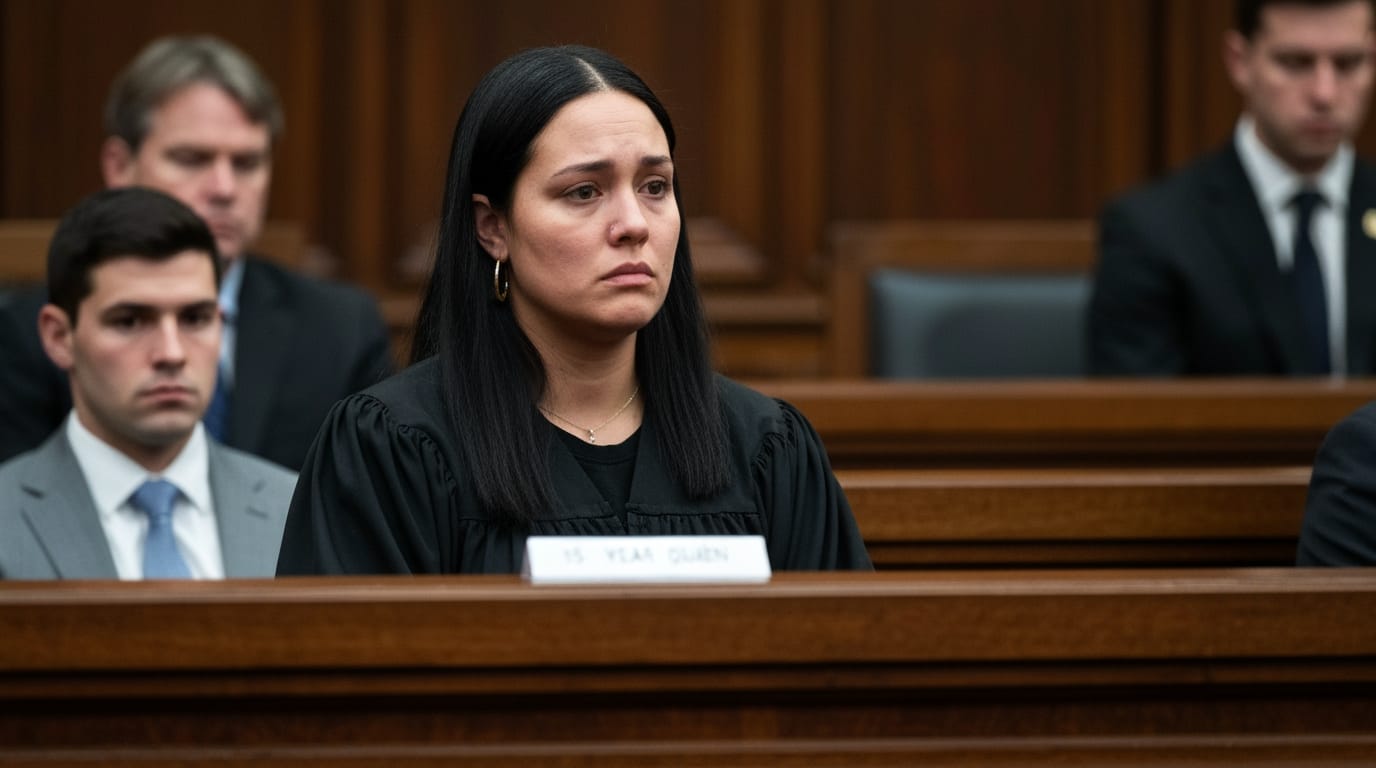
Los Angeles, CA – A figure known in illicit drug circles as the "Ketamine Queen," Jasveen Sangha, has been sentenced to 15 years in federal prison for her role in distributing ketamine, including the dose that led to the accidental death of beloved "Friends" actor Matthew Perry. The sentencing, handed down by U.S. District Judge Sherilyn Peace Garnett on Wednesday, April 8, marks a significant development in the ongoing investigation into the circumstances surrounding Perry's passing in October 2023.
Sangha, 42, pleaded guilty in September of the prior year to multiple felony drug charges, including using her home for drug distribution, three counts of distributing ketamine, and one count of distributing ketamine that resulted in death. Her conviction underscores the severe consequences awaiting those who profit from the illegal drug trade, particularly when it leads to tragic loss of life. Prosecutors had advocated for the 15-year term, emphasizing Sangha's operation of a "high-volume drug trafficking business" that catered to high-profile clientele in Hollywood.
A Sentence Reflecting Grave Consequences
The courtroom atmosphere was somber as Judge Garnett delivered the sentence to Sangha, a dual citizen of the United States and Britain who has been in custody since August 2024. During the hearing, Sangha acknowledged the profound impact of her actions, stating, "These were not mistakes. They were horrible decisions," and admitting that her choices "shattered people's lives and the lives of their family and friends." This admission followed a victim impact statement filed by Matthew Perry's stepmother, Debbie Perry, who passionately requested the maximum possible sentence for Sangha. The 15-year term for Sangha is notably harsher than the sentences received by two physicians previously involved in the broader case, highlighting her direct culpability in the distribution of the lethal dose.
The Tragic Link to Matthew Perry
Matthew Perry, 54, known globally for his iconic portrayal of Chandler Bing, was found dead in the hot tub of his Los Angeles home in October 2023. The Los Angeles County Medical Examiner's office determined his cause of death to be the acute effects of ketamine, with contributing factors including drowning, coronary artery disease, and the effects of buprenorphine. While Perry had been receiving prescribed ketamine infusion therapy for depression and anxiety, the levels of the drug found in his system at the time of his death were far beyond what could be attributed to therapeutic use, indicating it was introduced through illicit means.
The investigation revealed that Sangha, working through a middleman identified as Erik Fleming, supplied 51 vials of ketamine to Perry's live-in personal assistant, Kenneth Iwamasa. Prosecutors detailed how Iwamasa then repeatedly injected Perry with the supplied ketamine, including multiple injections on the very day of his death. Following news of Perry's sudden passing, Sangha reportedly instructed Fleming to "Delete all our messages," an attempt to conceal their illicit transactions. This chain of events meticulously detailed by prosecutors painted a clear picture of Sangha's direct involvement in the fatal drug supply.
The "Ketamine Queen's" Operation and Broader Investigation
Jasveen Sangha had cultivated a reputation as the "Ketamine Queen" among her clientele, operating her extensive drug trafficking enterprise from her North Hollywood residence. She actively marketed herself as an exclusive dealer catering to affluent individuals within the Hollywood community. The investigation into Matthew Perry's death expanded to uncover a wider network of suppliers and facilitators, leading to charges against Sangha and four other individuals in August 2024.
Among those charged and previously sentenced were Dr. Salvador Plasencia, a physician who received a 30-month prison sentence for distributing ketamine, and Dr. Mark Chavez, who was placed under home confinement after agreeing to plead guilty to conspiring to distribute the drug. Plasencia was found to have purchased ketamine from Chavez and subsequently sold it to Perry at significantly inflated prices. Erik Fleming, the middleman, and Kenneth Iwamasa, Perry's assistant, also pleaded guilty to conspiracy to distribute ketamine and are awaiting their respective sentences. This multi-faceted legal action highlights the widespread nature of the illicit drug distribution that contributed to Perry's demise. Prosecutors also noted Sangha's apparent lack of remorse, continuing to sell ketamine even after Perry's death.
The Lingering Shadow of Addiction and Accountability
Matthew Perry's candid struggles with addiction were well-documented, notably in his memoir, "Friends, Lovers and the Big Terrible Thing." His death served as a stark reminder of the pervasive and often deadly impact of substance abuse, prompting a thorough law enforcement investigation into the sources of the illicit drugs. The sentencing of Jasveen Sangha sends a clear message about accountability within the drug trade, particularly when it leads to a fatality.
The legal proceedings have exposed not only the individuals directly involved in supplying the drugs but also the dangerous ecosystem that allows such operations to flourish. As the remaining co-defendants await sentencing, the full legal repercussions of Matthew Perry's tragic death continue to unfold. This case stands as a poignant reminder of the devastating consequences of drug trafficking and the imperative for vigilance in combating the illegal distribution of controlled substances.


