Kim Jong Un Oversees Tests of AI-Powered Suicide Drones, Escalating Regional Tensions
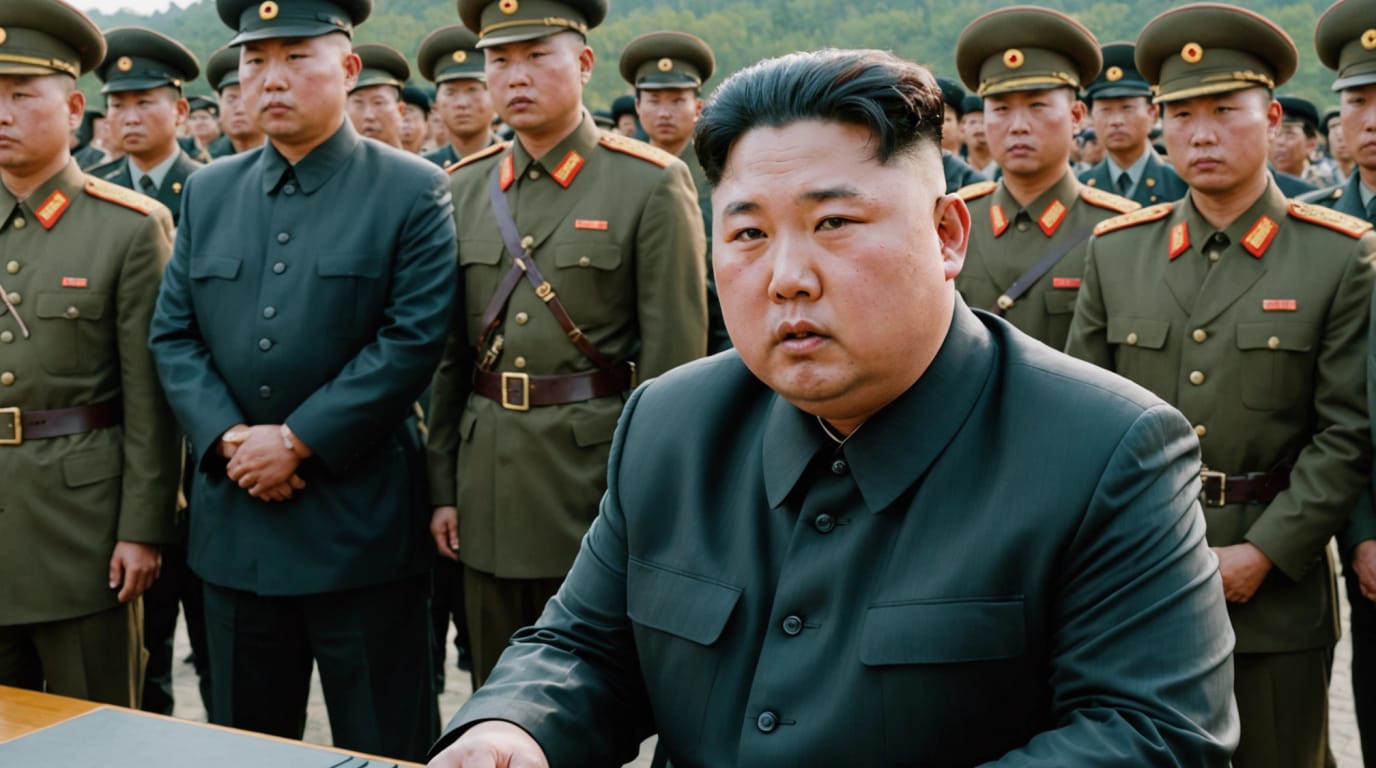
North Korean leader Kim Jong Un supervised tests of new "suicide drones" equipped with artificial intelligence, state media reported Thursday, signaling a continued push to modernize the country's military capabilities and raising concerns among international observers. The move underscores Kim's commitment to prioritizing unmanned systems and AI in North Korea's defense strategy, a development that analysts say could further destabilize the already tense security landscape in the Korean Peninsula and beyond.
AI Suicide Drones Take Center Stage
The Korean Central News Agency (KCNA) reported that Kim oversaw tests of various reconnaissance and suicide drones produced by North Korea's Unmanned Aerial Technology Complex on Tuesday and Wednesday. The report emphasized the "improved performance" of the drones, which have been equipped with "new artificial intelligence." KCNA released photos showing the AI-powered drones successfully striking ground targets, including a tank. Kim evaluated the drones' military effectiveness and strategic value.
The new-type strategic reconnaissance drones are capable of "tracking and monitoring different strategic targets and enemy troops' activities on the ground and the sea," KCNA said. The suicide drones also demonstrated the striking capability "to be used for various tactical attack missions." Kim also agreed to a plan "for expanding the production capacity" of the drones.
Kim's Vision for Modern Warfare
Kim stressed the importance of prioritizing the development of unmanned equipment and artificial intelligence in modernizing the armed forces. He emphasized creating a "state long-term plan for promoting the rapid development of the work to use intelligent drones," aligning with "the trend of modern warfare in which the competition for using intelligent drones as a major means of military power."
This announcement follows Kim's order four months ago for the "mass production" of attack drones designed to carry explosives and crash into enemy targets.
Parallels to Airborne Early Warning System
Alongside the drone tests, North Korea unveiled what appears to be an airborne early warning and control aircraft for the first time. KCNA released photos of Kim aboard the surveillance plane, which is similar to the Peace Eye operated by the South Korean Air Force. Such a system detects aircraft and vessels using radar, acting as "eyes in the sky."
Concerns Over North Korea-Russia Cooperation
The development of these AI-powered suicide drones and reconnaissance capabilities has fueled concerns about North Korea's deepening military cooperation with Russia. Experts suggest that the new drone technology could be attributable to the budding alliance between the two countries. North Korea has ratified a defense pact with Moscow and is accused of deploying troops to Russia to support its war in Ukraine.
Seoul has repeatedly warned about the potential transfer of sensitive Russian military technology to North Korea in return for troops and weapons to support Moscow's war with Kyiv. Analysts have warned that North Korean troops sent to fight for Russia will gain battlefield experience, and that Russia may be providing North Korea with advanced technology to enhance its weapons programs.
Implications for Regional Security
The unveiling of these new military technologies comes at a time of heightened tensions in the Korean Peninsula. North Korea has been conducting a series of missile tests in recent months, and the United States and South Korea have been conducting joint military exercises in response.
The development of AI-powered suicide drones raises several concerns. The drones could be used to conduct surprise attacks against South Korea or other adversaries. The use of AI could also make the drones more difficult to defend against.
Past Provocations
In 2022, Pyongyang sent drones across the border that Seoul's military was unable to shoot down, saying they were too small. This incident highlighted the challenges of detecting and intercepting small, unmanned aerial vehicles.
A Call for Vigilance
Kim's emphasis on AI and unmanned systems reflects a broader trend in military modernization around the world. As these technologies become more sophisticated, they could have a significant impact on the nature of warfare. The international community will be closely watching North Korea's development of these capabilities and their potential implications for regional and global security.


