Klaus Schwab Steps Down as World Economic Forum Chairman After 55 Years
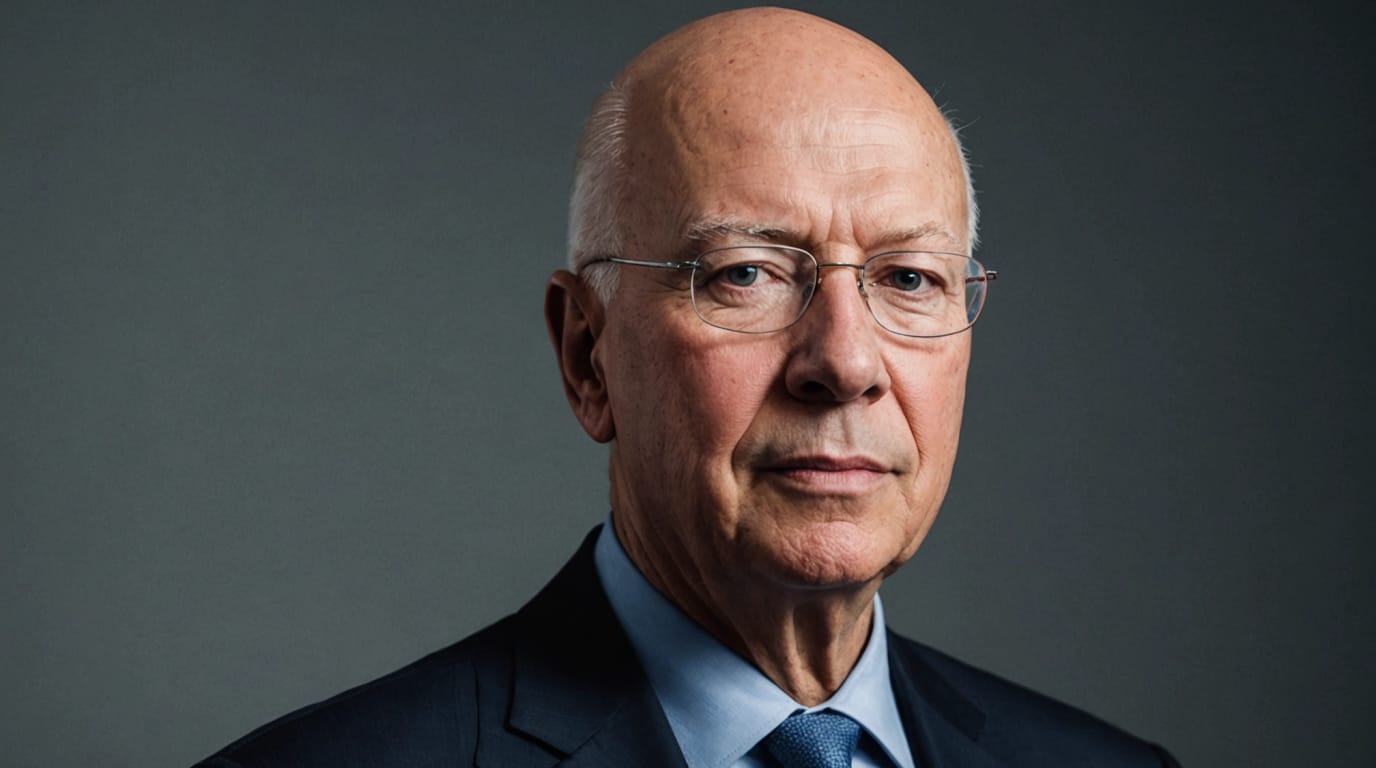
GENEVA – Klaus Schwab, the founder and long-time chairman of the World Economic Forum (WEF), has stepped down from his position as chairman of the Board of Trustees, effective immediately, the organization announced Monday. Schwab, who is entering his 88th year, informed the board of his decision at an extraordinary meeting on Sunday.
Schwab's departure marks the end of an era for the WEF, which he established in 1971. Over the past five decades, he has shaped the forum into a leading global platform for public-private cooperation, convening world leaders, business executives, academics, and civil society representatives to address pressing global issues.
A Legacy of Global Dialogue
Founded initially as the European Management Forum, the organization sought to introduce European firms to American management practices. It changed its name to the World Economic Forum in 1987, broadening its vision to include resolving international conflicts. Since its inception, the WEF has played a significant role in promoting dialogue and collaboration on a wide range of global challenges, from economic development and climate change to healthcare and technological innovation.
The WEF is best known for its annual meeting in Davos, Switzerland, which brings together thousands of participants from around the world for discussions, debates, and networking. The Davos summit has become a symbol of global cooperation and a platform for launching new initiatives and partnerships.
The board acknowledged Schwab's "outstanding achievements" and expressed its gratitude for his "55 years of relentless leadership at the helm of the Forum."
Transition and Succession
The WEF Board of Trustees has appointed Vice Chairman Peter Brabeck-Letmathe as Chairman ad interim. Brabeck-Letmathe is an Austrian businessman and the former CEO and Chairman of Nestle SA. He will serve as interim chairman while the board conducts a search for a permanent successor.
A search committee has been established to identify a candidate who will lead the Forum into its next phase. The committee will consider individuals with a proven track record of leadership, a deep understanding of global issues, and a commitment to the WEF's mission of improving the state of the world.
Schwab's Enduring Impact
Beyond the annual meeting in Davos, Schwab's influence extends to several initiatives and organizations he founded within the WEF framework. These include:
- The Schwab Foundation for Social Entrepreneurship: Co-founded with his wife, Hilde, the foundation supports and promotes social enterprises that address critical societal challenges.
- The Forum of Young Global Leaders: A community of exceptional young leaders under 40 who are working to shape a more sustainable and inclusive world.
- The Global Shapers Community: A network of young people aged 20 to 30 who are engaged in local projects to address challenges in their communities.
These initiatives reflect Schwab's commitment to fostering innovation, promoting social responsibility, and empowering future generations to tackle global challenges.
The Future of the WEF
As the World Economic Forum enters a new chapter, it faces both opportunities and challenges. The world is undergoing rapid transformation, with increasing geopolitical tensions, technological disruptions, and environmental concerns. The need for inclusive dialogue and collaboration to navigate these complexities has never been more critical.
The WEF's board of trustees has emphasized the importance of remaining steadfast in its mission and values as a facilitator of progress. The Forum will continue to bring together leaders from all sectors and regions to exchange insights and foster collaboration.
The organization's current activities are articulated in System Initiatives and include:
- The Reskilling Revolution, which aims to provide 1 billion people with better education and skills by 2030.
- The EDISON Alliance, which is focused on providing affordable access to digital services to 1 billion people by 2025.
- 1t.org, which has the goal of conserving, restoring and growing 1 trillion trees by 2030.
These initiatives demonstrate the WEF's commitment to addressing pressing global challenges and driving positive change.
A New Era Begins
Klaus Schwab's departure marks a significant transition for the World Economic Forum. His vision and leadership have shaped the organization into a prominent platform for global dialogue and collaboration. As the WEF embarks on a search for a new leader, it will build upon Schwab's legacy and continue to play a vital role in addressing the complex challenges facing the world. The appointment of Peter Brabeck-Letmathe as interim chairman ensures a smooth transition and continuity of the Forum's mission. The world will be watching to see who will be selected to guide the WEF into the future and how the organization will adapt to the evolving global landscape.


