Kremlin Confirms Trump's Kyiv Strike Pause Request Amidst Deepening Winter Crisis
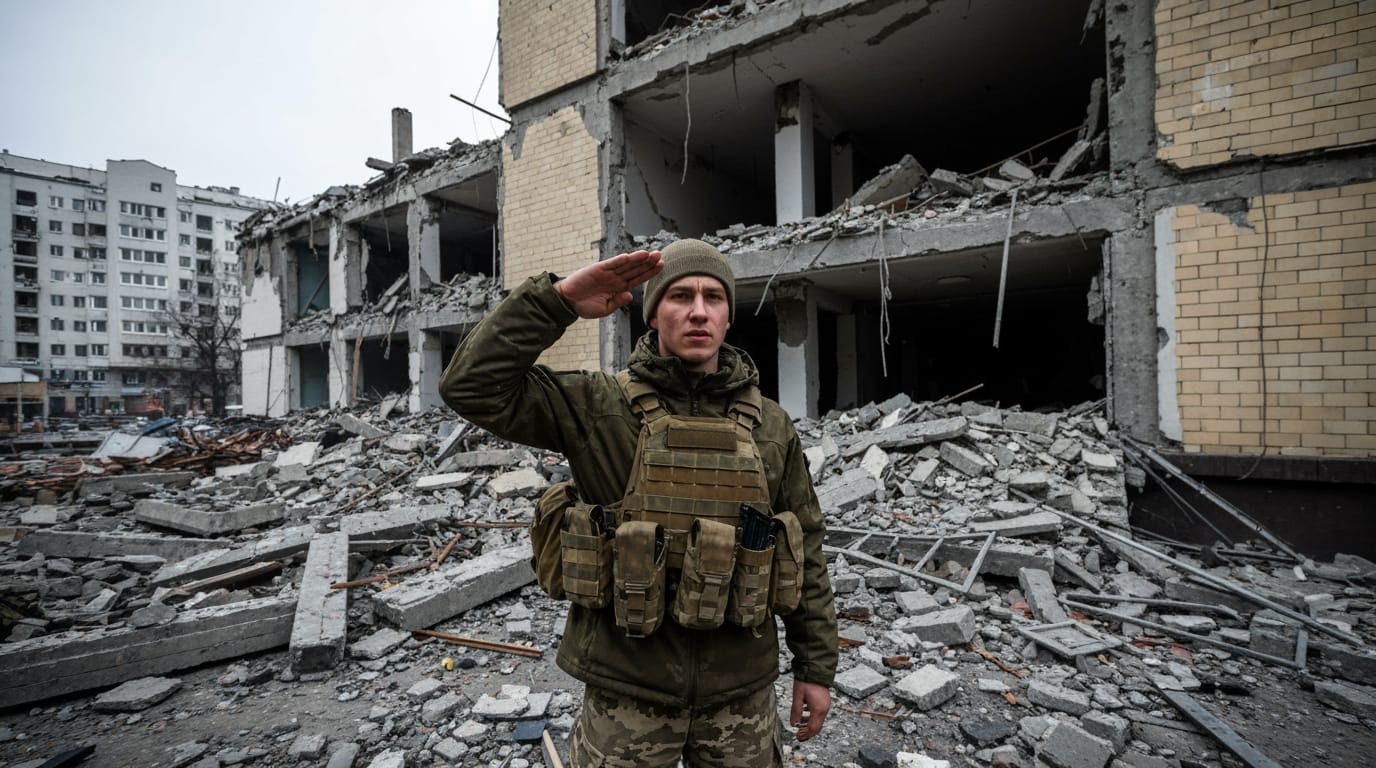
Moscow has confirmed that former U.S. President Donald Trump made a direct appeal to Russian President Vladimir Putin to temporarily halt strikes on Kyiv, specifically requesting a cessation of hostilities until February 1. The revelation, announced by Kremlin spokesperson Dmitry Peskov, introduces an unprecedented layer of informal diplomacy into the ongoing conflict, intertwining humanitarian concerns with high-stakes geopolitical negotiations. This development comes as Ukraine endures one of its harshest winters, with critical infrastructure already severely damaged by relentless attacks.
The Kremlin's acknowledgment on Friday, January 30, detailed that Trump's request was aimed at creating "favorable conditions for negotiations" regarding the Ukrainian conflict. Peskov specified that the plea was for Russia to refrain from striking the Ukrainian capital until the start of February. This statement followed Trump's own assertions made during a Cabinet meeting the previous day, where he claimed to have personally asked Putin to "not fire into Kyiv and various towns for a week" due to "extreme cold" conditions. Trump suggested that Putin had agreed to this request, expressing satisfaction with the alleged arrangement. However, Peskov notably limited the scope of the request to Kyiv and a specific timeframe ending February 1, implicitly contradicting Trump's broader claim of a week-long, multi-city pause. While one report indicated Peskov confirmed Putin's agreement with a "Yes, of course," other Kremlin statements remained more circumspect, with Peskov stating he had "nothing to add to what has already been said" when pressed on Putin's direct response.
A Humanitarian Intercession Amidst Freezing Temperatures
The timing of this extraordinary request coincides with a severe cold snap gripping Ukraine, with temperatures in Kyiv expected to plummet to as low as minus 26 degrees Celsius (minus 14 degrees Fahrenheit) in the coming days, potentially reaching minus 30 degrees Celsius in some regions. For weeks, Russian airstrikes have systematically targeted Ukraine's energy infrastructure, leaving thousands of civilians without reliable heating, electricity, and water, exacerbating an already dire humanitarian situation. The city of Kyiv has not reported any unusually large drone or missile attacks in the most recent days, with the last major strike occurring during the night of January 23-24. Trump's stated motivation for his appeal was explicitly humanitarian, emphasizing the "extreme cold" and the vulnerability of the Ukrainian populace to continued bombardment during such conditions. This highlights a potential avenue where humanitarian concerns, however fleeting, could intersect with the hardened realities of war and diplomacy.
Ukraine's Cautious Welcome and Diplomatic Undercurrents
Ukrainian President Volodymyr Zelenskyy, in response to Trump's public statement, expressed gratitude on the social media platform X, confirming that the issue had been discussed during trilateral talks held in Abu Dhabi on January 23-24. Zelenskyy also articulated Ukraine's readiness to cease its strikes on Russian energy infrastructure if Moscow were to reciprocate, underscoring a conditional willingness for de-escalation from Kyiv's side. However, he clarified that there had been no direct dialogue or official agreement between Kyiv and Moscow on such a reciprocal arrangement, suggesting that any pause in strikes currently remains a unilateral or indirectly negotiated measure. Zelenskyy, while acknowledging the potential for a temporary cessation, emphasized his expectation that "agreements be implemented," hinting at a cautious optimism coupled with a demand for tangible results.
This episode unfolds against a backdrop of ongoing, albeit nascent, diplomatic efforts. Representatives from Russia, Ukraine, and the United States are reportedly preparing for a second round of trilateral talks in Abu Dhabi this weekend, following an initial round last week. The Kremlin's framing of Trump's request as a means to foster "favorable conditions for negotiations" aligns with these broader diplomatic movements, suggesting that even informal interventions can become part of a larger negotiation strategy. The involvement of a former U.S. President in such a sensitive diplomatic maneuver, particularly one with a unique relationship with the Russian leader, introduces an unusual dynamic into the conflict's already complex geopolitical landscape.
Unanswered Questions and the Path Forward
Despite the Kremlin's confirmation of the request, several crucial questions remain unanswered. Peskov's nuanced statements regarding Putin's response leave ambiguity as to the extent of Russia's commitment to the temporary halt. While one report from The Moscow Times indicated Peskov confirmed Putin agreed, other outlets reported his refusal to directly answer whether Putin agreed, stating, "I have nothing to add to what has already been said." This lack of definitive, unified confirmation from Moscow raises concerns about the reliability and scope of any alleged agreement. Furthermore, the discrepancy between Trump's announcement of a week-long, multi-city pause and the Kremlin's clarification of a Kyiv-specific halt until February 1 highlights potential misinterpretations or strategic framing from both sides.
The critical period leading up to and including February 1 will be closely watched for any shifts in military activity, particularly around Kyiv. The efficacy and sincerity of this temporary pause, if indeed fully observed by Russia, could have implications for the ongoing trilateral talks and potentially shape future diplomatic engagements. While Trump's intervention may have provided a brief respite for Kyiv amidst a brutal winter, the broader context of the conflict, the continued targeting of Ukrainian energy infrastructure, and the deep-seated disagreements between the warring parties suggest that any lasting peace remains a distant prospect. The incident underscores the multifaceted nature of the conflict, where traditional diplomatic channels are increasingly complemented, or complicated, by informal political interventions, each carrying its own set of expectations and uncertainties.
The extraordinary nature of a former U.S. President directly intervening with Russia's leader to influence military actions in Ukraine highlights the persistent human toll of the conflict and the ongoing search for any pathway, however unconventional, to alleviate suffering. As the deadline of February 1 approaches, the world watches for tangible signs of de-escalation and the true impact of this unprecedented appeal on the trajectory of the war and the complex web of international relations surrounding it.


