Kyiv Endures Massive Overnight Barrage as Russian Forces Unleash Waves of Missiles and Drones
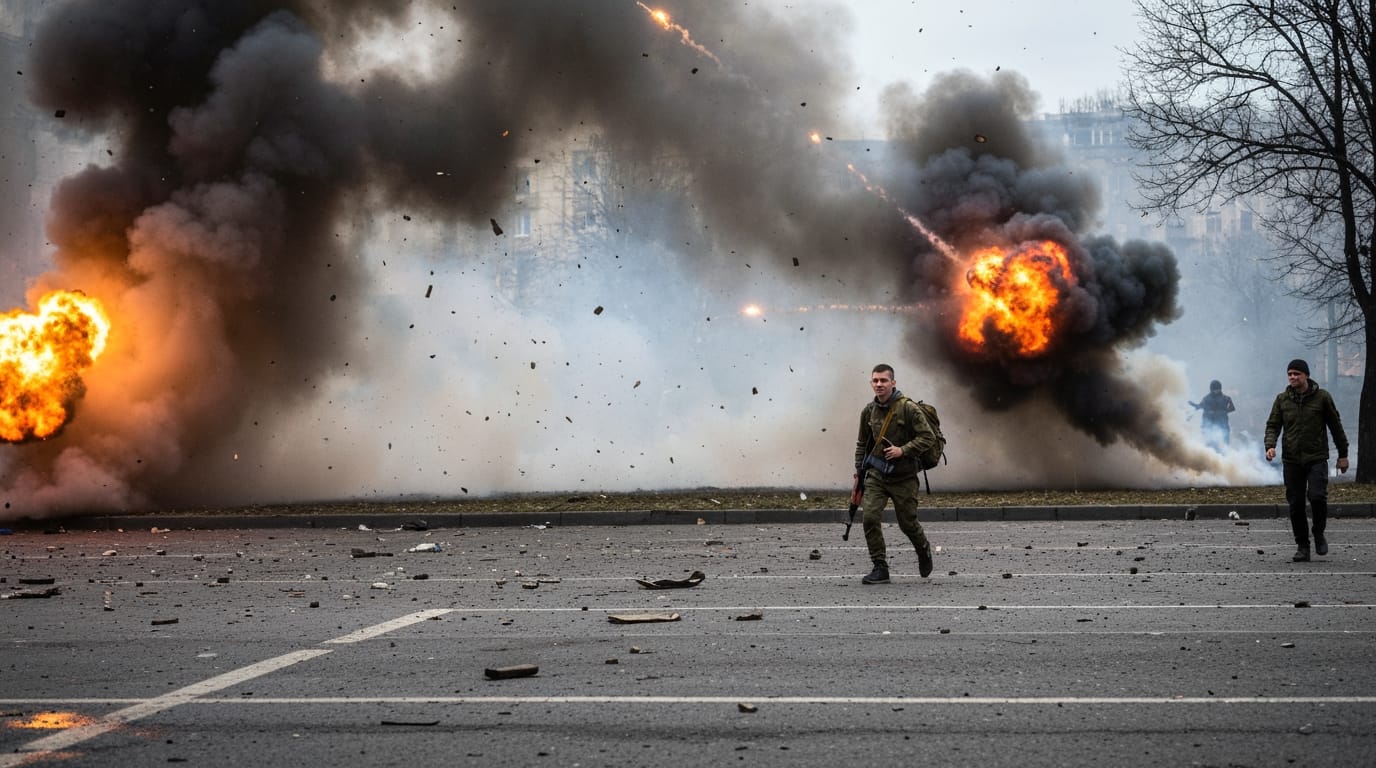
Kyiv, Ukraine – A relentless, hours-long aerial assault by Russian forces hammered Ukraine's capital overnight on July 1-2, 2026, marking one of the most massive aerial attacks on the city since the full-scale invasion began more than four years ago. The coordinated barrage of missiles and strike drones, including advanced hypersonic weapons, left at least one person dead and wounded a minimum of 11 others, devastating residential areas, damaging critical infrastructure, and sparking widespread fires across all ten of the city's districts. The attack unfolded just hours after Ukrainian President Volodymyr Zelenskyy issued a stark warning that Russia was preparing a large-scale offensive, prompting residents to seek shelter in metro stations as explosions reverberated through the night.
Overnight Barrage and Immediate Aftermath
The aerial assault commenced late on July 1 and continued into the early hours of July 2, with Ukraine's Air Force issuing repeated warnings about incoming drones and ballistic missiles. Kyiv Independent journalists reported loud explosions and intense air defense activity around 9:40 p.m. local time on July 1, followed by further warnings from Kyiv City Military Administration Head Tymur Tkachenko about drones approaching the capital. The next phase of the assault began after midnight, with ballistic missiles, reportedly including hypersonic Zircon missiles, beginning to fall on the city. Mayor Vitali Klitschko confirmed that Kyiv was under attack from both ballistic missiles and unmanned aerial vehicles (UAVs), with blasts audible across the city.
The sheer intensity of the bombardment caused significant damage. Residential buildings were destroyed or partially collapsed, particularly in the Desnianskyi and Shevchenkyivskyi districts, trapping residents under rubble and prompting urgent rescue operations. A hotel in central Kyiv's Shevchenkyivskyi district was hit by a drone strike, igniting a fire on its roof, while other fires broke out near residential buildings in the Pecherskyi and Holosiivskyi districts. Among the casualties, one person was confirmed killed, and at least 11 individuals sustained injuries, including five medics in the Shevchenkyivskyi district, one of whom was reported to be in critical condition after an ambulance station was damaged. The full extent of the damage and casualties remained under assessment as emergency services worked through the night and into the morning.
Anticipation and Resilience
The massive attack followed a direct warning from President Zelenskyy, who had urged Ukrainians to be "especially careful" and to heed air raid alerts, stating that intelligence indicated Russia was preparing a "massive strike." This pre-emptive caution undoubtedly saved lives, as countless Kyiv residents sought refuge in the city's underground metro stations, some even setting up tents for what they anticipated would be a prolonged night of danger.
The psychological toll of such frequent and intense bombardments on civilian populations is immense, yet the residents of Kyiv continue to demonstrate remarkable resilience. Despite the constant threat, daily life attempts to resume normalcy, though the sound of air raid sirens remains a grim backdrop to existence in the capital. The practice of seeking shelter in metro stations has become a grim routine, a testament to the enduring spirit of a city under siege.
A Broader Pattern of Escalation
This latest assault on Kyiv fits into an observable pattern of intensified Russian aerial attacks. Russian forces have increasingly relied on mixed weapon tactics, launching both cheap, expendable drones and more sophisticated cruise and ballistic missiles, including hypersonic variants, to overwhelm Ukrainian air defense systems. Ukrainian officials have noted that Russia's strategy appears to be a "war of attrition," aiming to deplete Ukraine's air defense resources by forcing the expenditure of expensive interceptor missiles against lower-cost drones.
The current wave of attacks also comes amidst Ukraine's own intensified long-range drone campaign targeting military sites and energy infrastructure deep within Russian territory. Ukrainian drone strikes have reportedly caused fuel shortages and disrupted supply lines in Russia, impacting oil refineries and other strategic targets. This reciprocal escalation underscores the broadening scope and evolving tactics of the conflict, with both sides leveraging new technologies and strategies to gain an advantage.
Air Defense Challenges and International Reaction
Ukraine's air defense capabilities have proven remarkably effective, with the General Staff reporting interception rates consistently over 88% in May and June 2026. For the latest attack on Kyiv, Defense Minister Mykhailo Fedorov stated that Ukrainian forces successfully neutralized 95% of incoming enemy drones. This success is attributed to a multi-layered defense system, active implementation of acoustic sensor networks, and effective electronic warfare capabilities. However, the sheer volume of Russian attacks, which reached an average of 198 air attack means per day in June 2026, along with the deployment of advanced ballistic and hypersonic missiles, continues to pose significant challenges. Ukraine is actively developing and testing innovative solutions, including laser systems and advanced interceptor drones, to further enhance its defensive posture.
The international community has widely condemned Russia's continued aggression and its targeting of civilian areas. Following previous massive attacks in May, world leaders and foreign ministers denounced the actions as war crimes and "state terrorism," reiterating unwavering support for Ukraine's sovereignty and territorial integrity. Calls for increased military aid, particularly advanced air defense systems, have intensified, highlighting the critical need for sustained international assistance to help Ukraine defend its cities and people against the ongoing onslaught.
Enduring Conflict, Enduring Spirit
The July 1-2, 2026, attack on Kyiv serves as a stark reminder of the brutal and indiscriminate nature of the ongoing war. While the material destruction is significant and the human cost tragic, the repeated assaults have also forged a hardened resolve among the Ukrainian populace. The nation's ability to withstand such intense bombardments, coupled with the continued support from its international partners, underscores the enduring struggle for its freedom and territorial integrity. As the conflict enters its fifth year, the resilience of Kyiv and its residents remains a powerful symbol in the face of continued aggression.


