Kyiv Endures Relentless Barrage as Russian Strikes Claim More Civilian Lives
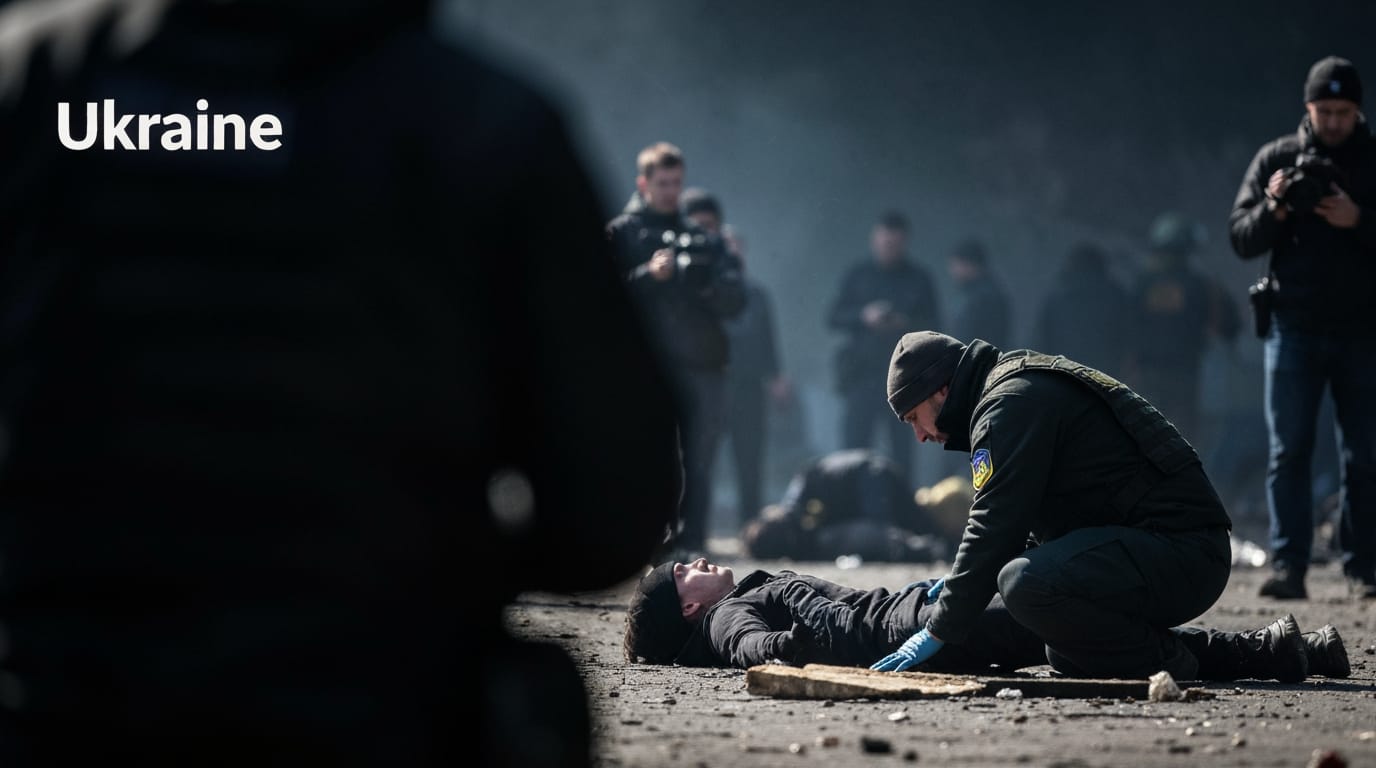
Kyiv, Ukraine – The new year has brought no respite for the Ukrainian capital, as Russian forces intensified their aerial campaign, with a deadly overnight attack on January 5, 2026, claiming two civilian lives and marking the first fatalities in the city this year. The assault is the latest in a series of sustained, large-scale barrages that have repeatedly targeted civilian infrastructure and residential areas, underscoring the relentless human toll of the ongoing conflict.
The Dawn of a Deadly Year
In the early hours of Monday, January 5, 2026, an air attack struck Kyiv and its surrounding region, resulting in the deaths of two individuals. One civilian was killed in Kyiv's Obolonskyi district after a medical facility caught fire, while another fatality was reported in the Fastiv district, southwest of the capital. The attack also left a woman injured and necessitated the evacuation of 25 people from damaged sites. Mykola Kalashnyk, the governor of the Kyiv region, confirmed damage to homes and critical infrastructure across towns and villages, leading to power outages in some parts of the region. Ukrainian authorities reported that emergency services responded to the blazes, including the medical facility where a body was discovered after the fire was extinguished. This incident marks a grim beginning to 2026, highlighting the continued targeting of civilian areas and the constant threat faced by residents.
A Pattern of Escalation: Late 2025 Attacks
The January 5 strike follows a severe escalation in Russian aerial assaults witnessed throughout late 2025. Just over a week prior, on December 27, 2025, Kyiv experienced one of the most massive attacks in months. Russian forces launched nearly 500 Shahed drones and 40 missiles, including advanced Kinzhal hypersonic aeroballistic missiles, predominantly targeting Kyiv and its surrounding regions. This extensive barrage resulted in at least one death and wounded 27 to 28 people, including two children. Another woman was reportedly killed in the nearby city of Bila Tserkva. The primary objective of these assaults appeared to be Ukraine's energy grid and civilian infrastructure, leading to significant disruptions; at least one-third of Kyiv was left without heating, and widespread power cuts were reported. Ukrainian President Volodymyr Zelenskyy characterized the December 27 attack as Russia's direct response to ongoing peace efforts and diplomatic discussions.
Earlier in November 2025, Ukraine endured another large-scale combined missile and drone attack on the 25th, which killed at least eight civilians and injured 34, including four children. This assault, part of a series of seven similar attacks within two months, focused heavily on energy infrastructure in Kyiv city, Odesa, and the broader Kyiv region, involving 464 long-range drones and 22 missiles. Residential buildings and critical facilities were struck, leading to disruptions in electricity, water, and heating supplies. On November 14, 2025, another significant strike resulted in at least six fatalities in Kyiv and damage to the Azerbaijani Embassy by missile debris. The consistent targeting of energy infrastructure underscores a strategy aimed at debilitating Ukraine, particularly as winter approaches, impacting millions and compounding psychological strain on the population.
The summer of 2025 also saw a particularly devastating attack. On August 28, a massive overnight aerial assault on Kyiv left at least 18 civilians dead, including four children, and injured 38. The Darnytskyi district was severely impacted, with a five-story residential building partially collapsing after a direct hit. Diplomatic missions, including offices of the British Council and the EU delegation, also sustained damage during this extensive attack, which involved 598 Shahed loitering munitions and 31 high-precision missiles targeting various locations across the country.
International Condemnation and Stalled Diplomacy
The relentless series of attacks has drawn strong condemnation from the international community. Following the August 28, 2025, attack, the United Kingdom and the European Union summoned senior Russian diplomats to express their outrage. UK Foreign Secretary David Lammy condemned the targeting of civilians, children, and cultural institutions, while European Commission President Ursula von der Leyen pledged new sanctions and efforts to channel frozen Russian assets to support Ukraine. French President Emmanuel Macron described the attack as "terror and barbarism." Similarly, UN Secretary-General Antonio Guterres "strongly condemned" the November 14, 2025, strikes, reiterating calls for an immediate and unconditional ceasefire.
The timing of some of these strikes has often coincided with international diplomatic efforts. The December 27, 2025, attack, for instance, occurred just one day before Ukrainian President Volodymyr Zelenskyy was scheduled to meet with U.S. President Donald Trump in Florida for peace talks. Ukrainian officials interpreted such actions as Russia's deliberate attempt to sabotage peace initiatives and escalate the conflict. Despite calls for peace and ongoing negotiations, the use of ballistic missiles and drones continues to be Russia's dominant response, undermining hopes for a diplomatic resolution.
Ukraine's Resilience Amidst the Storm
In the face of sustained aerial bombardment, Ukraine's air defense systems have played a crucial role in mitigating the scale of destruction and casualties. Ukrainian air defenses consistently intercept a significant percentage of incoming drones and missiles, often lighting up the night sky over Kyiv. However, the sheer volume and sophisticated nature of the Russian attacks, often involving hundreds of drones and dozens of missiles in a single wave, present an immense challenge to even the most advanced defense systems.
The continuous threat of attacks has also fostered remarkable resilience among the civilian population. While emergency services and rescue workers are perpetually engaged in clearing rubble and aiding victims, residents frequently shelter in basements and designated safe areas, enduring prolonged periods of explosions and uncertainty. The psychological toll on millions of Ukrainians remains immense, as families live under the constant specter of aerial assault.
Unabated Conflict and Enduring Cost
The opening days of 2026, marked by the deadly January 5 attack, serve as a stark reminder that the conflict in Ukraine continues with unabated ferocity. The recurring, large-scale Russian attacks on Kyiv and other Ukrainian cities, characterized by their indiscriminate nature and consistent targeting of civilian and energy infrastructure, inflict immense human suffering and widespread devastation. As diplomatic efforts struggle to gain traction, the people of Kyiv and across Ukraine continue to bear the brunt of a war that shows no signs of receding, with each new barrage deepening the humanitarian crisis and reinforcing the urgent international calls for a lasting peace.


