Kyiv Mourns as Russia Unleashes Deadliest Attack of the Year
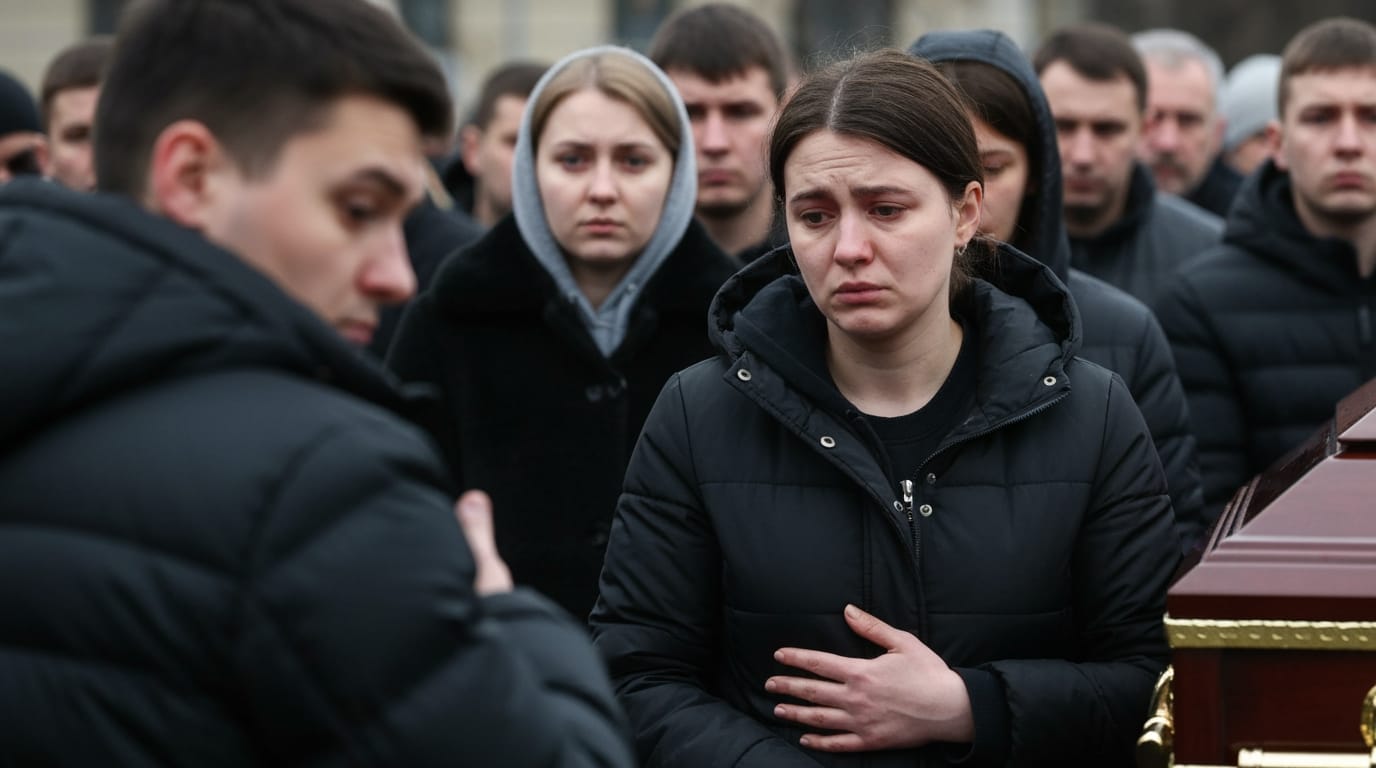
KYIV, Ukraine – The Ukrainian capital of Kyiv observed a somber day of mourning Friday following a devastating barrage of Russian missiles and drones that claimed the lives of at least 30 people and injured scores more in what city officials described as the deadliest assault on the city this year. The widespread attacks, which struck Kyiv and other regions across Ukraine in the early hours of Thursday, July 2, 2026, inflicted massive destruction on residential areas and critical infrastructure, plunging the nation further into grief and renewed calls for enhanced air defense capabilities.
The scale of the overnight offensive left a trail of shattered lives and buildings, prompting Kyiv Mayor Vitali Klitschko to declare July 3 a day of mourning, with flags lowered and all public entertainment events canceled. Rescue workers continued to sift through the rubble Friday, a grim search for survivors amid the debris of homes and livelihoods, as the true extent of the human tragedy slowly unfolded.
Unprecedented Devastation in the Capital
The assault on Kyiv began overnight into Thursday, with multiple waves of Russian missiles and drones overwhelming the capital's defenses for several hours. Ukrainian Air Force reports indicated Russia launched approximately 74 missiles of various types and close to 500 drones during the attack, with Kyiv serving as the primary target. Residents sought refuge in bomb shelters and underground metro stations as explosions rocked the city, lighting up the pre-dawn sky.
The death toll in Kyiv steadily climbed throughout Thursday and into Friday, rising from initial reports of 13 fatalities and nearly 90 injuries to at least 30 killed and 91 injured. Among the damaged sites were numerous residential buildings, a hotel, and an emergency medical substation, with destruction reported across all districts of the capital. One of the most severely impacted areas was the Darnytskyi district, where a nine-story apartment block was partially torn open, its structural integrity compromised, leaving a massive pile of rubble. Rescuers tirelessly worked at multiple sites, including the collapsed residential building, desperately searching for those trapped beneath the debris, with reports of a 15-year-old girl and a 10-year-old boy's parents still missing. Kyiv's metro system provided shelter to a record 52,500 people, including nearly 4,500 children, during the intense bombardment.
Broadening Scope of Attacks and Retaliatory Claims
Beyond the capital, Russian strikes also targeted other regions of Ukraine, extending the civilian toll and destruction. In the northeastern Sumy region, a Russian drone strike on a residential house killed four people, including two women, an elderly man, and a young girl under the age of two, while injuring three others. The central Ukrainian city of Kryvyi Rih, hometown of President Volodymyr Zelenskyy, also experienced missile strikes that left seven people injured. Casualties were additionally reported in the Dnipropetrovsk, Kharkiv, Kherson, and Mykolaiv regions.
Moscow's Defense Ministry stated that its attacks were in response to Ukrainian "terrorist attacks" on civilian infrastructure within Russia. The ministry claimed its forces used long-range precision weapons and drones to strike defense industry enterprises and fuel and energy facilities in Kyiv and its surrounding region, as well as military airfield infrastructure in several other regions. Kremlin spokesperson Dmitry Peskov further asserted that Russian forces only targeted "military or quasi-military targets," despite widespread evidence of civilian casualties and residential damage. Meanwhile, Ukrainian forces were reported to have conducted their own drone strikes deep into Russian territory, including an attack on an oil refinery in the Nizhny Novgorod region, where one person was killed, and others injured.
Urgent Pleas for Air Defense Amidst International Condemnation
Ukrainian President Volodymyr Zelenskyy, in response to the devastating strikes, reiterated his urgent pleas for international partners, particularly the United States and European countries, to provide more active assistance in bolstering Ukraine's air defense capabilities. He specifically highlighted a "shortage of anti-ballistic means" and stressed the critical need for Patriot missile systems, emphasizing that every bilateral agreement on air defense directly helps save lives. Zelenskyy stated that Ukraine was not requesting new commitments but rather the timely delivery of previously promised military aid, suggesting that prompt delivery could have saved more homes and lives. He conveyed a grim assessment of Russia's tactics, stating that Russian President Vladimir Putin "still intends to 'vanquish' residential buildings rather than end this war."
The international community swiftly condemned the renewed aggression. UN Secretary-General Antonio Guterres strongly denounced the "overnight Russian missile and drone attacks on Kyiv and other Ukrainian cities," asserting that "any attacks against civilians and civilian infrastructure, wherever they occur, are a clear violation of international humanitarian law and must stop immediately." The EU Ambassador to Ukraine, Katarina Mathernova, expressed the gravity of the situation, stating that "Russia unleashed hell on Kyiv." These condemnations underscore the growing concern over the escalating violence and its devastating impact on civilian populations.
Resilience and the Enduring Human Cost
The declaration of a day of mourning in Kyiv served as a poignant symbol of the collective grief and resilience of the Ukrainian people. Across the city, flags were lowered, and any form of public celebration was suspended, allowing communities to unite in remembrance of the victims. The extensive damage, with more than 100 residential buildings affected, paints a stark picture of the war's relentless human cost. Families grapple with loss, displacement, and the trauma of relentless attacks, yet continue to demonstrate remarkable strength in the face of adversity. The ongoing search and rescue operations highlight the profound human element of this conflict, as hopes dim for those still missing beneath the rubble.
The recent attacks serve as a grim reminder that despite months of fierce fighting on the front lines, the war continues to exact a heavy toll on Ukrainian civilians far from active combat zones. As Kyiv enters a period of official mourning, the imperative for robust international support and sustained efforts towards a peaceful resolution remains as critical as ever. The lives lost and the widespread destruction underscore the urgent need for effective measures to protect civilian populations and bring an end to the protracted conflict.


