Kyiv's Unseen Lifeline: Emergency Crews Battle Exhaustion to Restore Amidst Relentless Assaults
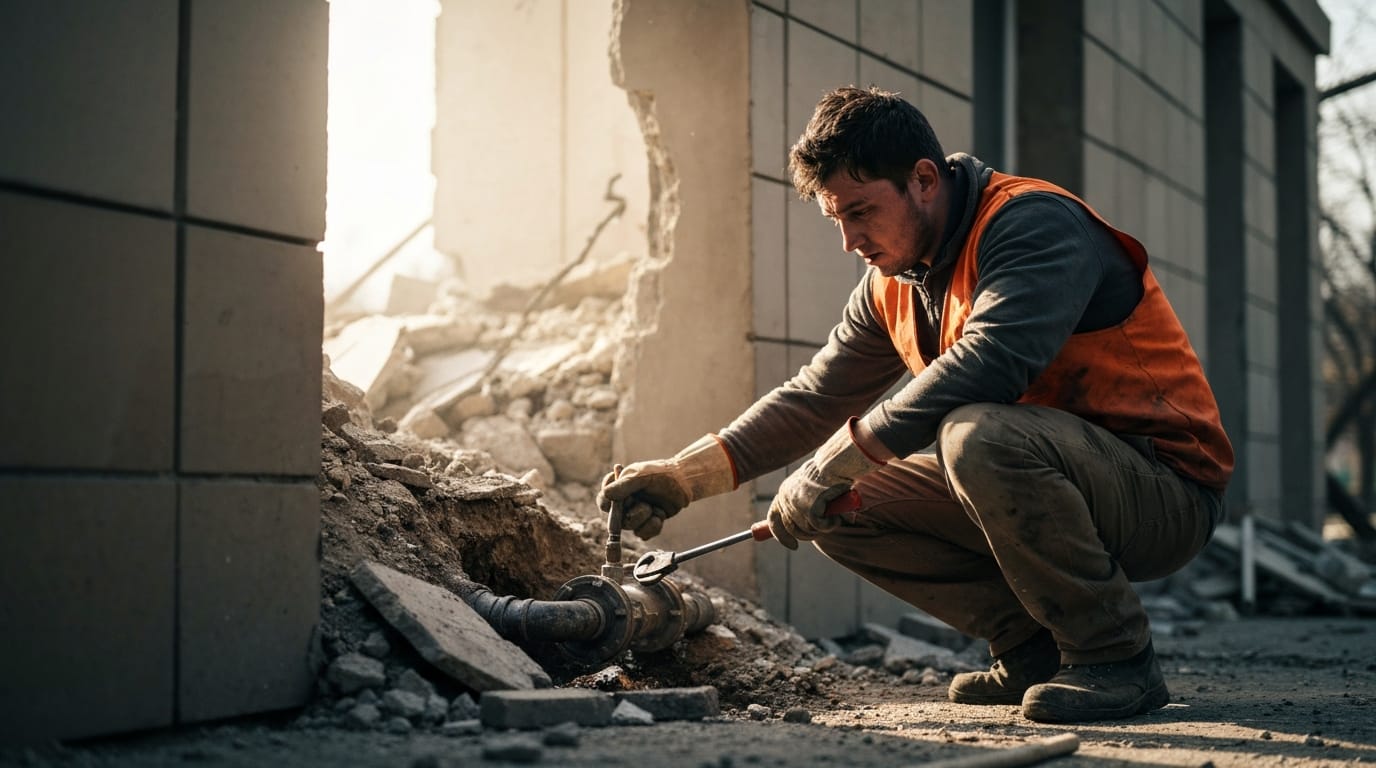
In the heart of Ukraine's capital, as air raid sirens pierce the night and explosions echo through the streets, another, less visible battle unfolds daily. Exhausted but resolute, Kyiv's emergency repair crews work ceaselessly, often around the clock, to mend the city's shattered infrastructure. These dedicated teams are the silent architects of resilience, pushing through profound fatigue and immediate danger to ensure power, water, and heating continue to flow for millions, a vital pulse sustained against a relentless campaign of attrition. Their ongoing efforts are not merely about fixing pipes and wires; they are about preserving the very habitability of a besieged metropolis.
The Relentless Grind of Reconstruction
The rhythm of life for Kyiv's emergency repair workers has become a stark, repetitive cycle: alarms blare, attacks land, and then the urgent call to action. From power grid substations to critical water pumping stations, the city's essential services are repeatedly targeted, resulting in widespread blackouts, heating outages, and water supply interruptions. Crews, often comprising dozens of specialized teams from various utility companies, are dispatched immediately after an attack, sometimes even before the all-clear is given, navigating debris-strewn streets and the lingering threat of secondary strikes. Their tasks range from splicing high-voltage cables in sub-zero temperatures to repairing fractured water mains that spew torrents onto icy roads, all while contending with the constant threat of unexploded ordnance. The sheer volume of damage sustained since the full-scale invasion began has created an unprecedented workload, transforming routine maintenance into a perpetual state of crisis response. Each repaired segment represents a victory, however temporary, against the systematic degradation of urban life.
The Human Toll and Unwavering Dedication
Behind every restored street light or reconnected water supply lies a story of profound human endurance and sacrifice. Many repair workers have not seen their families for extended periods, working shifts that often stretch beyond 24 hours, snatching moments of rest in makeshift shelters or on the floors of their utility vehicles. The physical demands are immense, but the psychological toll is equally heavy, marked by constant vigilance, the trauma of witnessing destruction firsthand, and the emotional burden of keeping an entire city functioning under duress. Yet, their motivation remains unshaken. A deep sense of duty to their city and its residents fuels their relentless efforts. They are often met with gestures of gratitude from citizens, ranging from warm drinks to simple words of thanks, which provide crucial moral support and reaffirm the vital importance of their dangerous work. This mutual reliance between residents and repair crews highlights the collective spirit of resilience that defines Kyiv's response to adversity.
Infrastructure Under Siege: A Strategic Imperative
The systematic targeting of civilian infrastructure, particularly energy, water, and heating networks, represents a deliberate strategy to break the will of the Ukrainian population and render urban areas uninhabitable. For Kyiv, as the capital, these attacks carry significant symbolic and practical weight. Disrupting power and heating during harsh winters not only creates immense suffering but also threatens public health, paralyzes economic activity, and strains emergency services. Each strike on a power plant or a major heating pipeline forces millions into darkness and cold, testing the limits of communal resilience. The city has had to rapidly adapt, deploying thousands of "invincibility points" — heated public shelters with power generators and internet access — and distributing emergency supplies to mitigate the immediate impact of these calculated assaults. The ongoing repair work is therefore not just about restoring services; it is a critical defensive action, directly countering the strategic objective of those seeking to destabilize the nation.
Adapting to Crisis: Ingenuity and International Support
Kyiv's emergency services have developed extraordinary levels of ingenuity and adaptability in response to the continuous bombardment. Utility companies now maintain decentralized stockpiles of critical spare parts, allowing for quicker deployment and repair without needing to transport materials across the entire city. Teams have become adept at implementing temporary fixes that can restore service quickly, even as more permanent solutions are planned. This local expertise is bolstered by significant international assistance. Allies and partners have provided generators, transformers, specialized repair equipment, and financial aid, recognizing that supporting Kyiv's infrastructure is crucial for the country's broader stability. This synergy between local knowledge and international solidarity has been instrumental in allowing the city to recover from repeated blows, demonstrating a coordinated effort to maintain essential services against overwhelming odds.
Sustaining the City's Pulse Amidst Uncertainty
The ongoing work of Kyiv's emergency repair crews is a profound testament to human resilience in the face of sustained aggression. As long as the city remains under threat, these teams will continue their arduous and dangerous task, working through exhaustion and under the shadow of danger to keep Kyiv's vital systems operational. Their unwavering dedication ensures that homes can remain heated, lights can flicker on, and water can flow, providing a crucial sense of normalcy and stability amidst the chaos. They are the unseen heroes ensuring the city's pulse continues to beat, embodying the spirit of a nation determined to endure and rebuild, one repaired cable and pipe at a time.


